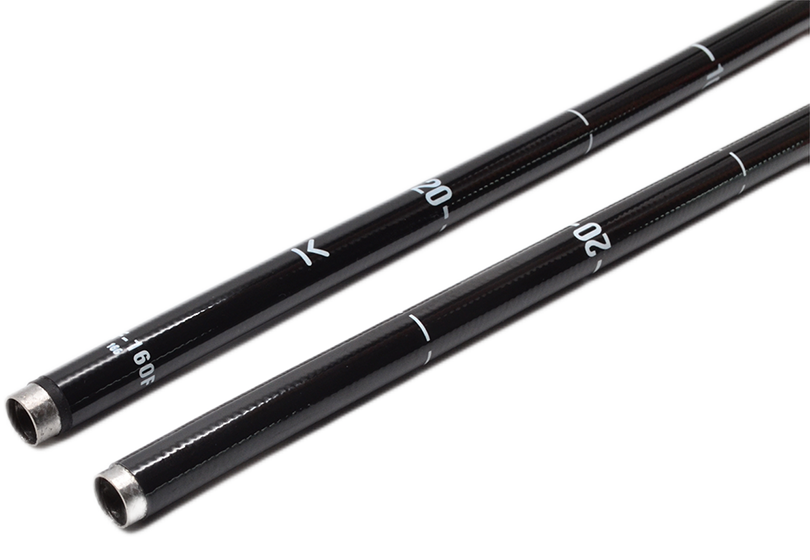
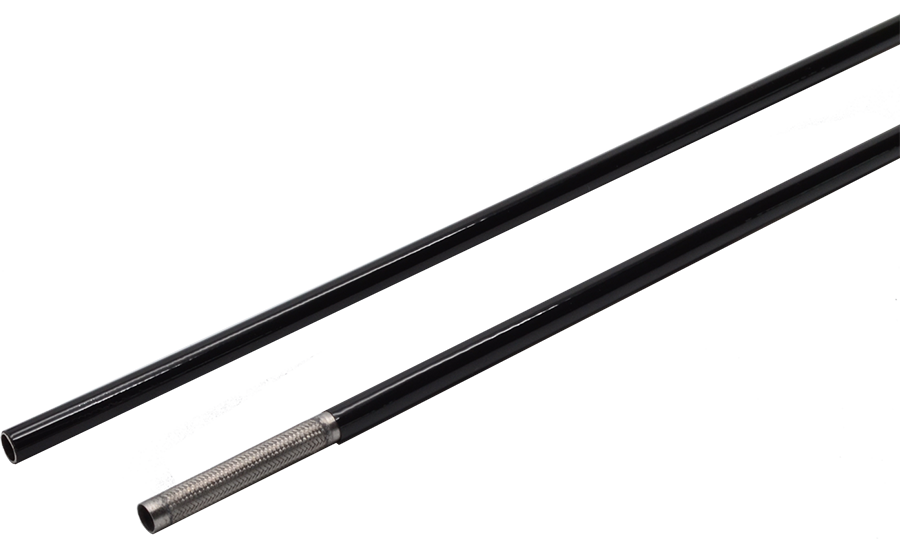
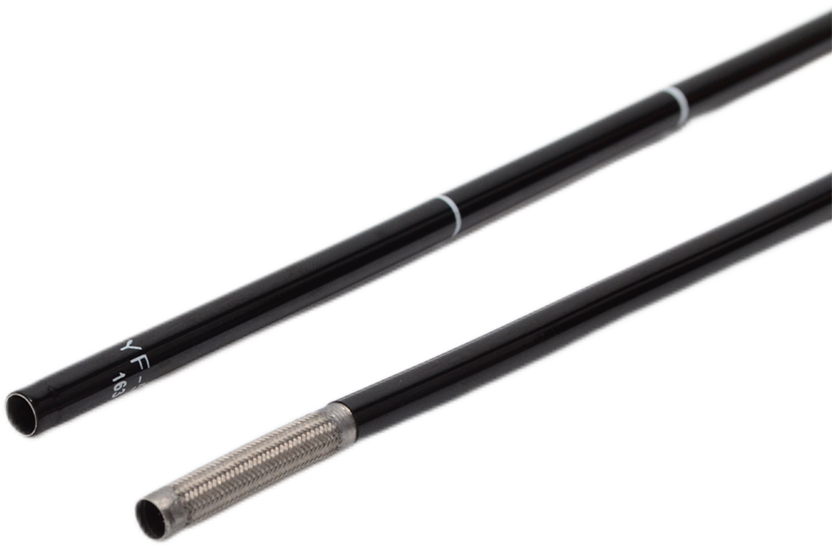
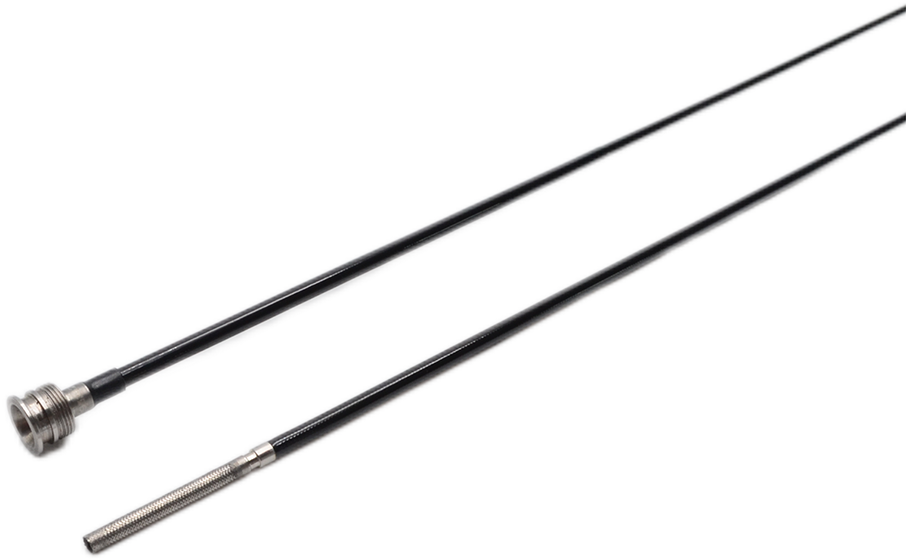
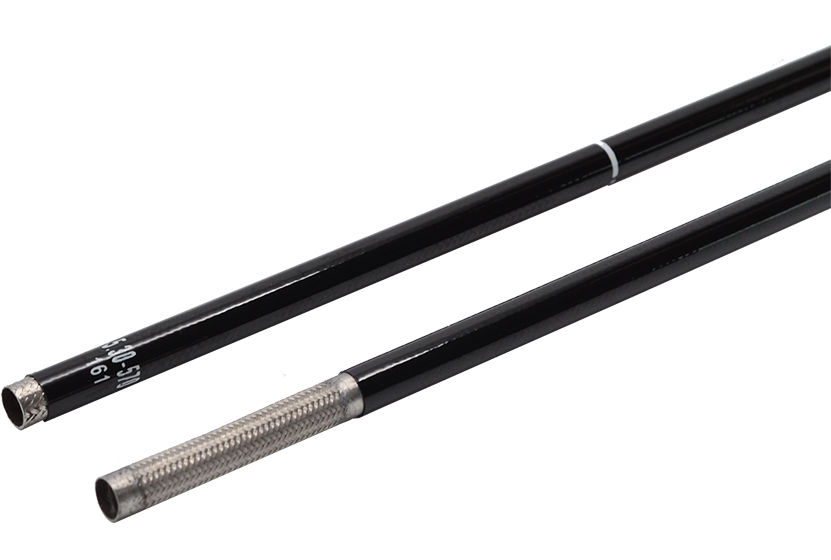
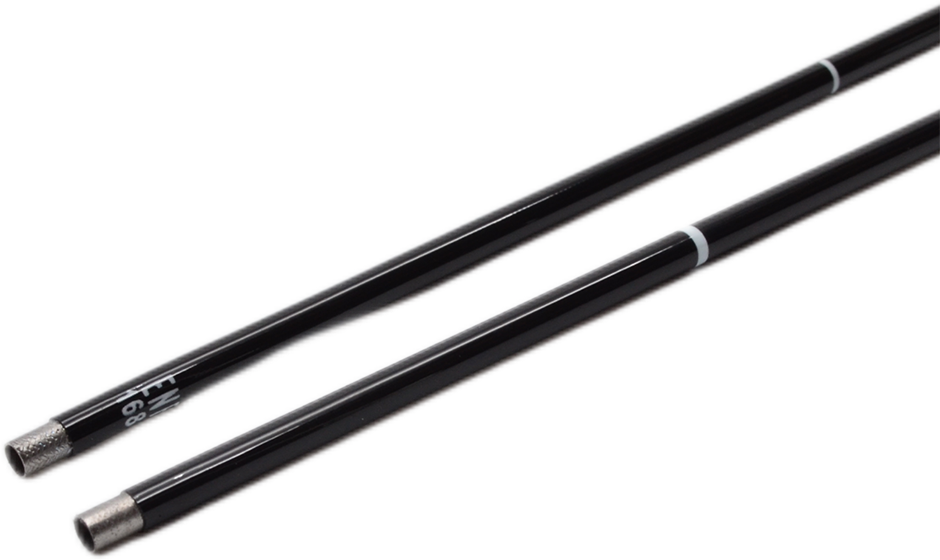
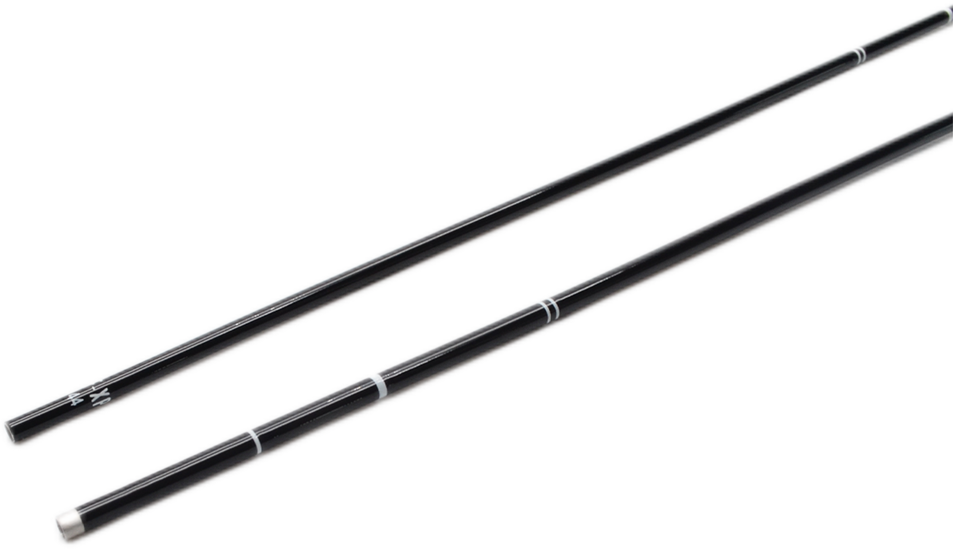
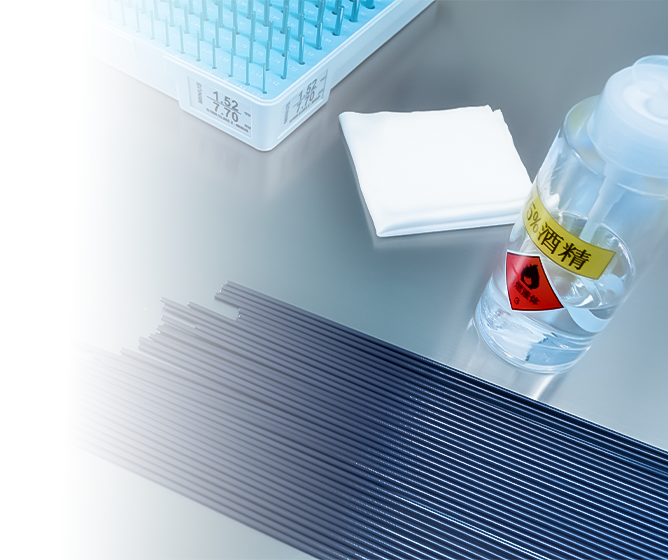
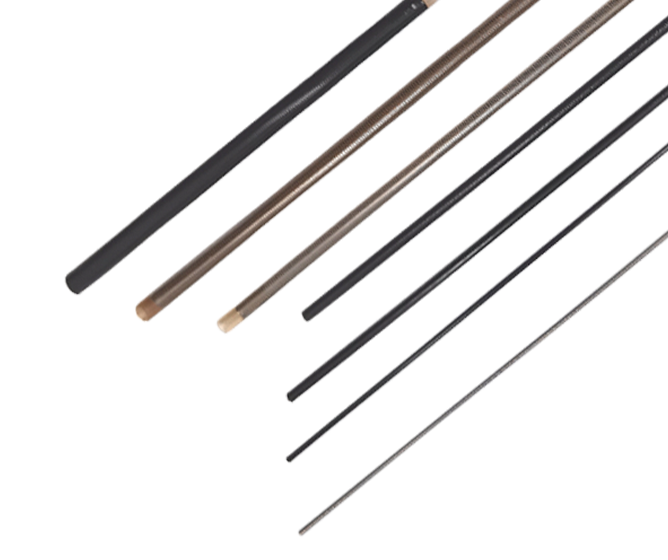
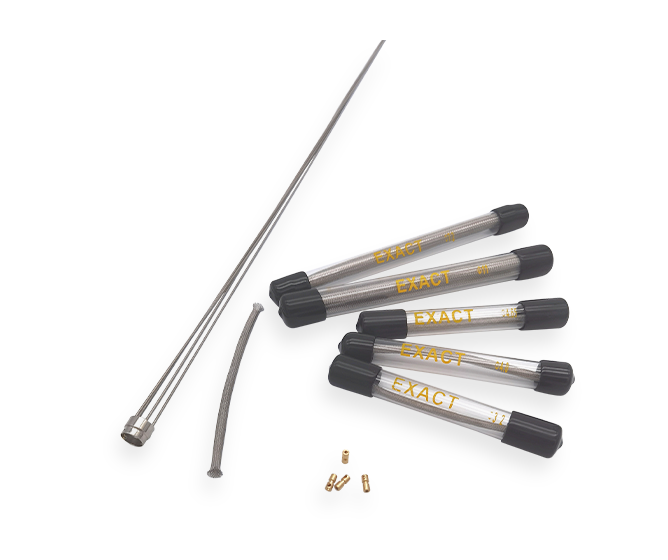
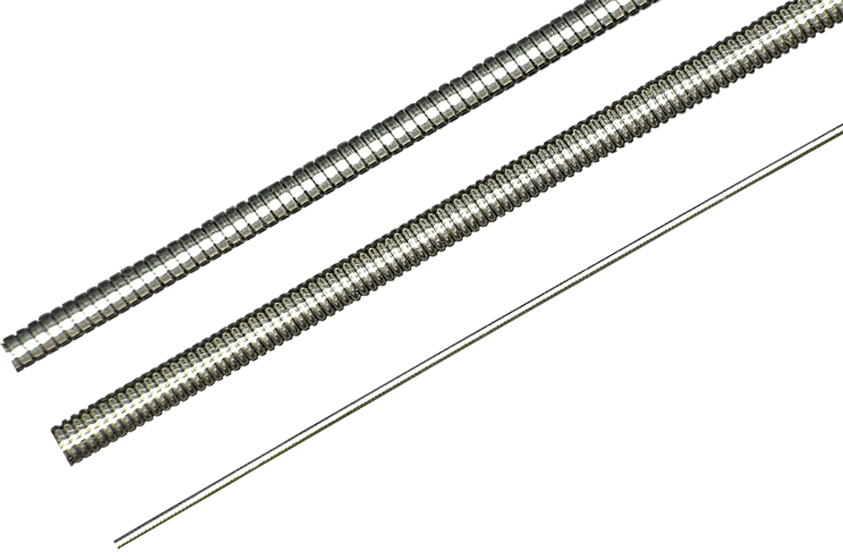
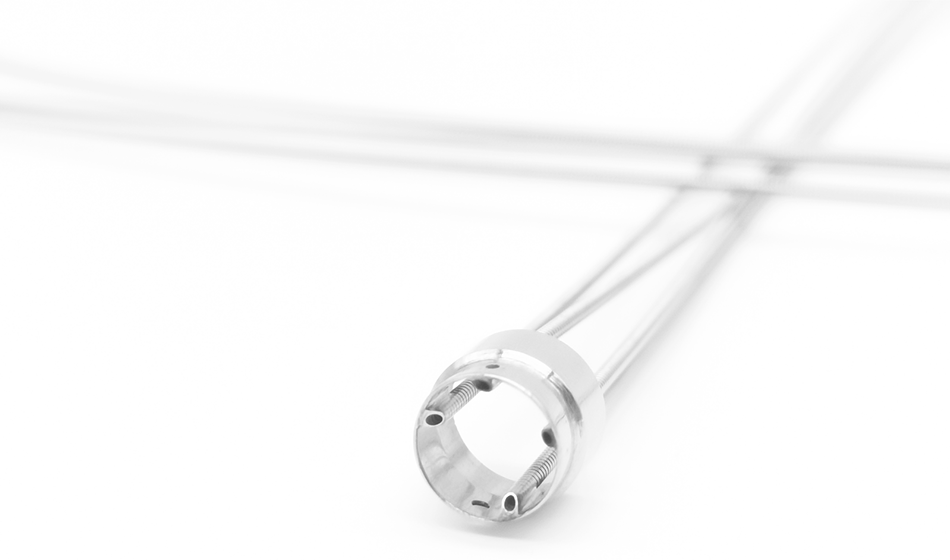
The landscape of medical device maintenance is undergoing a significant shift. Independent Service Organizations (ISOs) are capturing a larger market share by offering flexible, cost-effective alternatives to Original Equipment Manufacturer (OEM) services. However, the viability of these third-party repairs rests entirely on one pillar: the quality of the sourced endoscope spare parts. This article examines why the endoscope insertion tube represents the most critical procurement decision for repair professionals.
For a repair facility, installing a substandard component is a dangerous gamble. While cost control is essential, using inferior endoscope spare parts often leads to premature failure, costly warranty re-work, and, most importantly, the erosion of trust with hospital clients. In flexible endoscopy, the performance required is exceptional; a repair technician isn't just seeking a physical fit, but a restoration of the original handling characteristics that physicians rely on during delicate procedures.
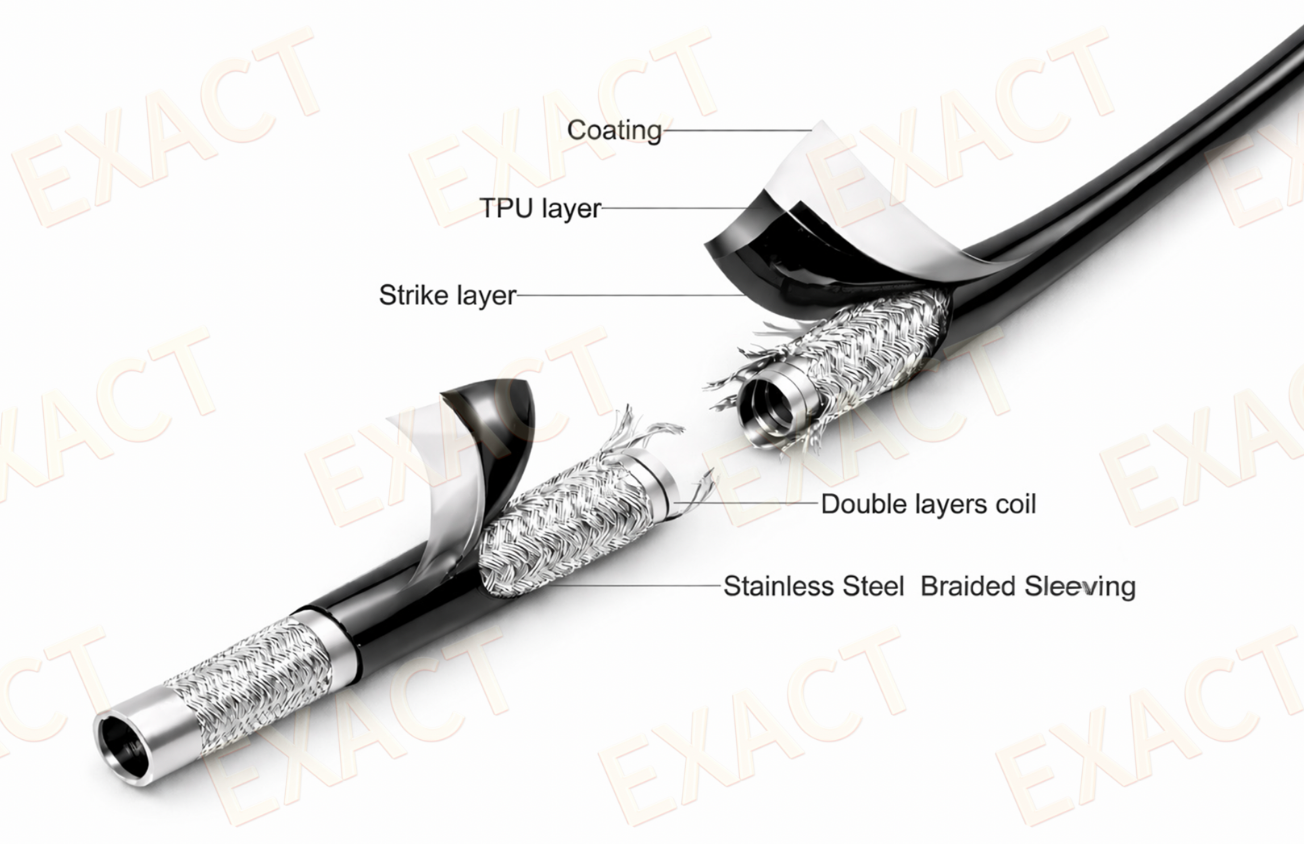
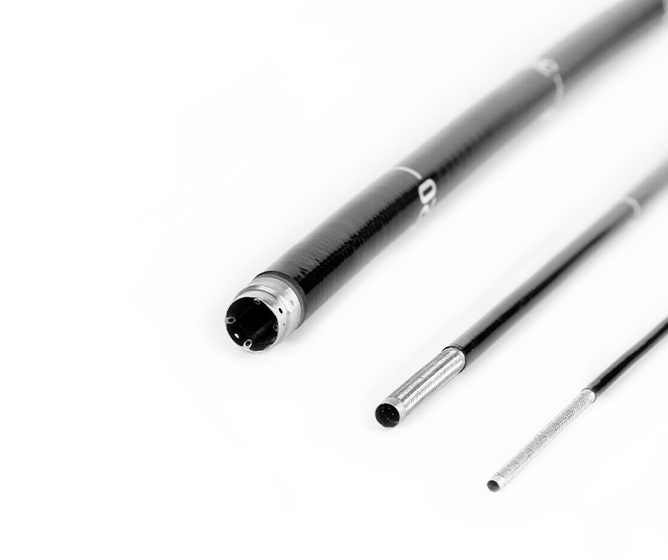
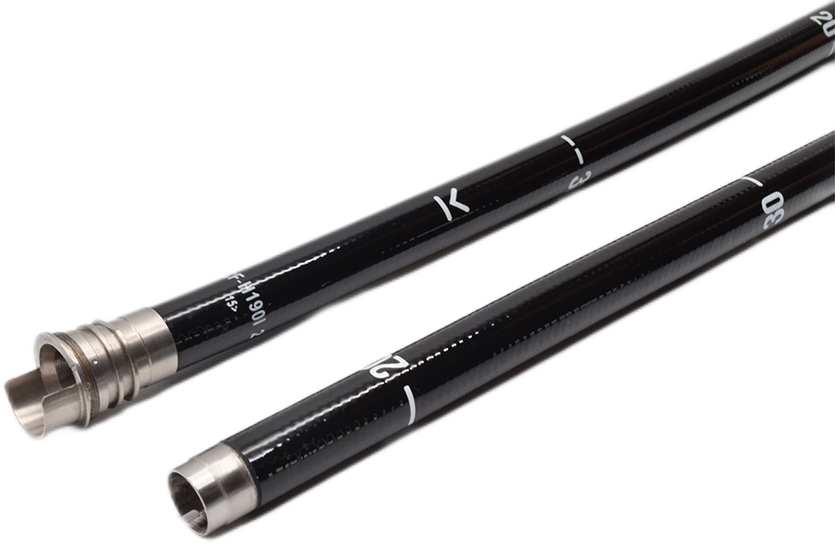
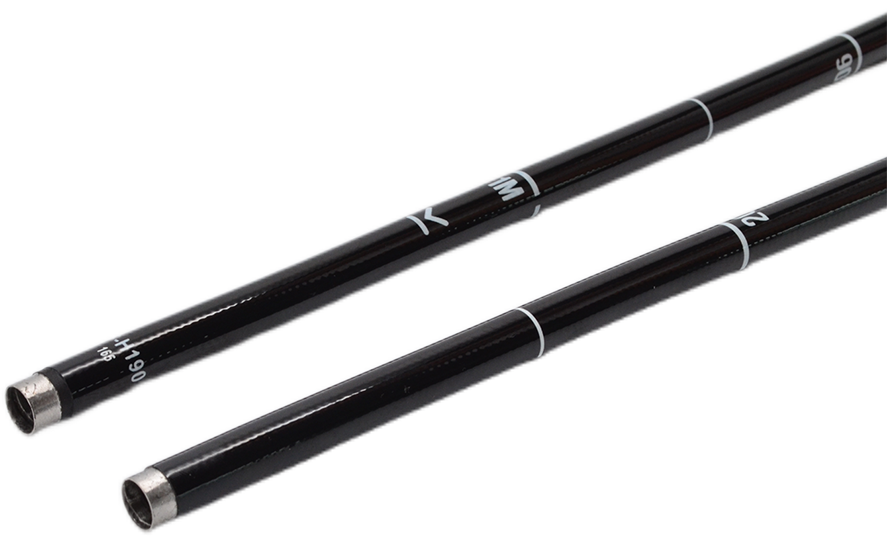
Why the Insertion Tube is the Benchmark of QualityAmong the myriad of components that comprise a flexible scope, the endoscope insertion tube is arguably the most demanding to manufacture. It is the high-wear interface between the device and the patient. A high-quality replacement tube must demonstrate three key capabilities that are often absent in substandard alternatives:
Graded Stiffness: Authentic navigational control requires a precise stiffness gradient—stiffer near the control section and gradually softer toward the distal tip. Substandard tubes often feature uniform stiffness, making the scope difficult to steer.
Torque Dynamics: The ability to transmit rotational force accurately from the physician's hand to the scope's tip is vital. Without exceptional torque transmission, diagnosing and treating pathology becomes inefficient and potentially hazardous.
Disinfection Resistance: The outer layer must be rigorously validated against repeated, high-level chemical disinfection cycles. Poorly engineered polymers can degrade quickly, becoming tacky, hardened, or cracked, which creates contamination risks.
Conclusion: Investment, Not ExpenseFor ISOs aiming to secure long-term contracts with major healthcare systems, validating the supply chain for key endoscope spare parts is a strategic necessity. Investing in superior, high-performance insertion tubes for systems like Olympus or Pentax is not merely an operational expense; it is a fundamental investment in client satisfaction, brand reputation, and patient safety. In the competitive world of endoscopy repair, the best components always deliver the best business outcomes.