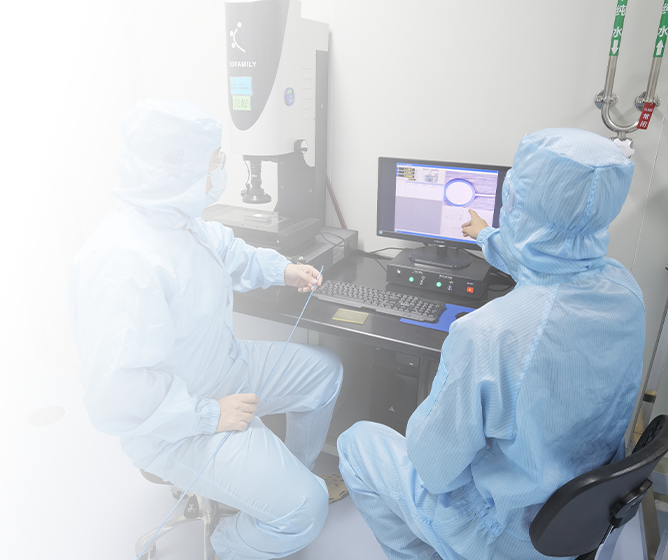
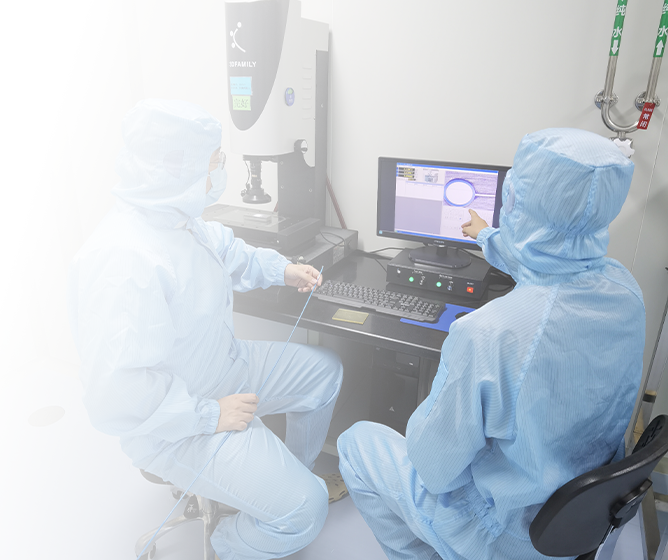
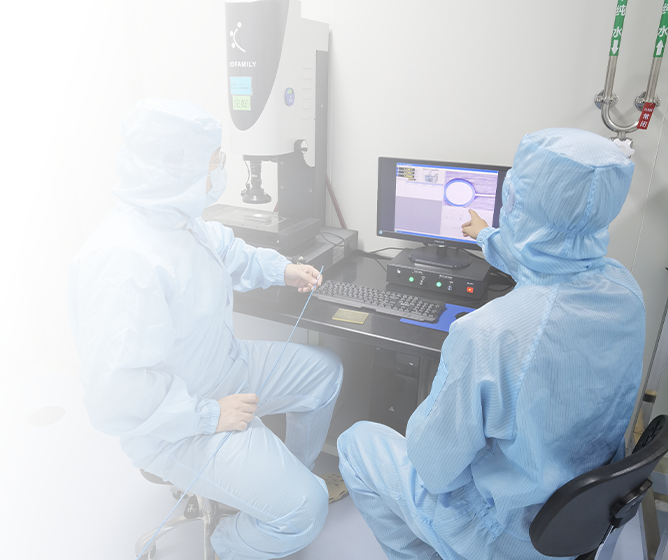
As the global healthcare sector faces increasing pressure to reduce operational costs, the medical device service market is undergoing a massive transformation. Independent Service Organizations (ISOs) and hospital in-house engineering teams are taking on more advanced endoscope repair tasks than ever before.
However, the success of a major endoscope overhaul does not depend solely on the skill of the repair technician. It relies fundamentally on the precision engineering provided by a dedicated endoscopic surgical component manufacturer. When rebuilding a highly complex flexible endoscope, the structural integrity and dimensional tolerance of aftermarket spare parts are what ultimately ensure patient safety and clinical performance.
Below, we examine the manufacturing science behind the four most critical replacement components and why their engineering standards dictate the success of any endoscope repair.
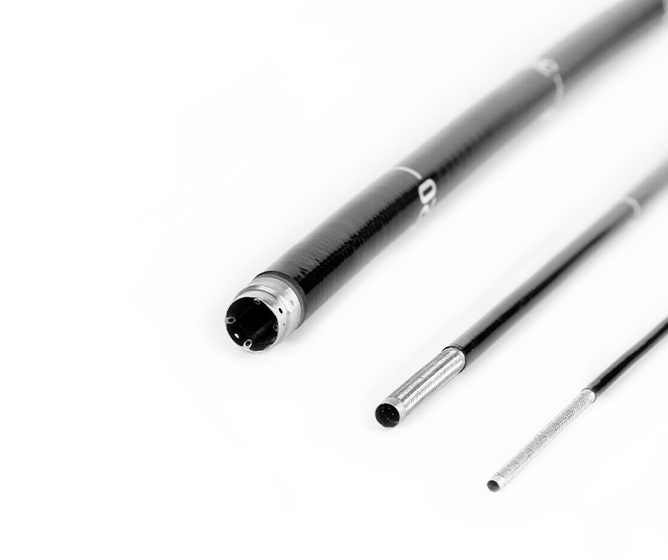
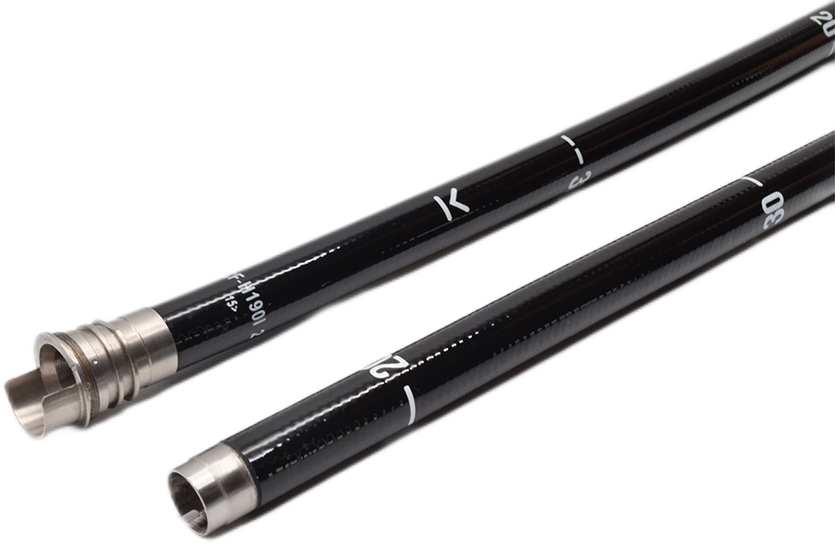
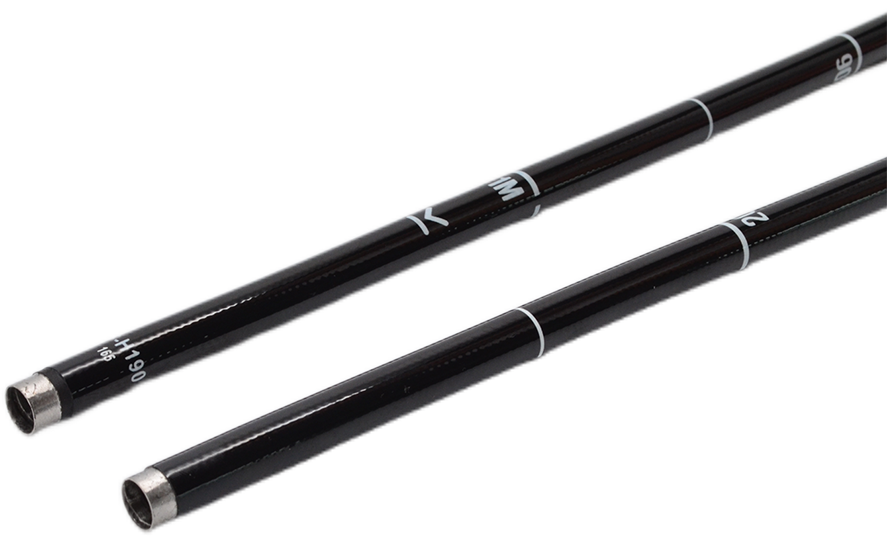
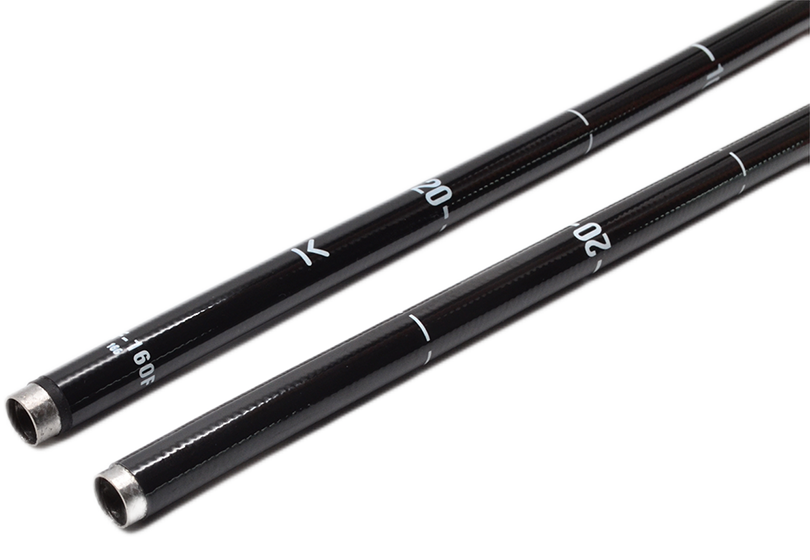
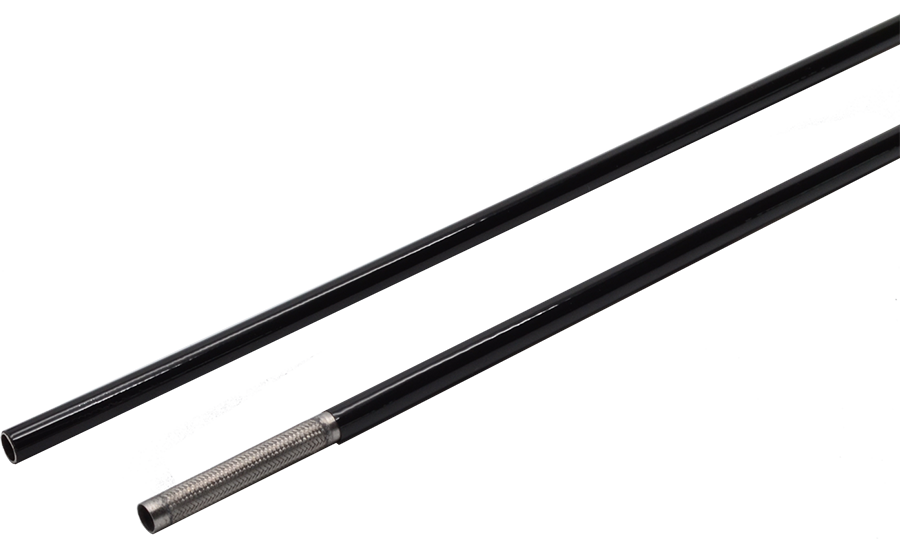
1. Endoscope Insertion Tubes: Engineering the Patient Interface
The endoscope insertion tube is the defining feature of a flexible scope. Because it directly navigates the patient’s digestive or respiratory tract, it is highly susceptible to wear, tear, and chemical degradation from high-level disinfection (HLD) processes.
The Manufacturing Challenge: A top-tier manufacturer must engineer these tubes with a precise, multi-layered construction. The extrusion process must achieve a flawless stiffness gradient—rigid at the proximal end to allow physicians to push the scope, and highly flexible at the distal tip to navigate tight anatomical curves safely.
Impact on Repair: For repair technicians, installing an insertion tube is incredibly complex. If the manufacturer’s internal diameter tolerances are off by even a fraction of a millimeter, the technician will struggle to pack the internal wires and optical bundles, leading to internal friction and premature device failure.
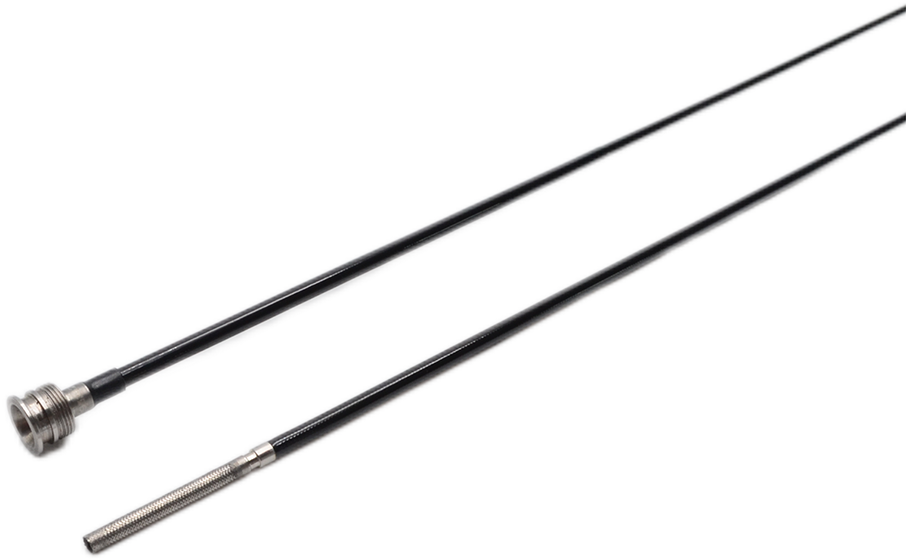
2. LG Tubes (Light Guide Tubes): Sealing the Lifeline
Connecting the video processor and light source to the scope's control body, LG tubes are subjected to constant twisting, pulling, and crushing in the clinical environment.
The Manufacturing Challenge: An endoscopic surgical component manufacturer must utilize advanced vulcanized rubber or high-grade polymers that offer maximum tensile strength while remaining highly flexible.
Impact on Repair: The primary goal during an LG tube replacement is achieving a perfect, watertight seal at the connector boots. If the replacement tube lacks uniform thickness or structural integrity, the scope will fail the mandatory leak test. A compromised LG tube allows fluids to invade the system, destroying the expensive CCD image sensors and fiber optics.
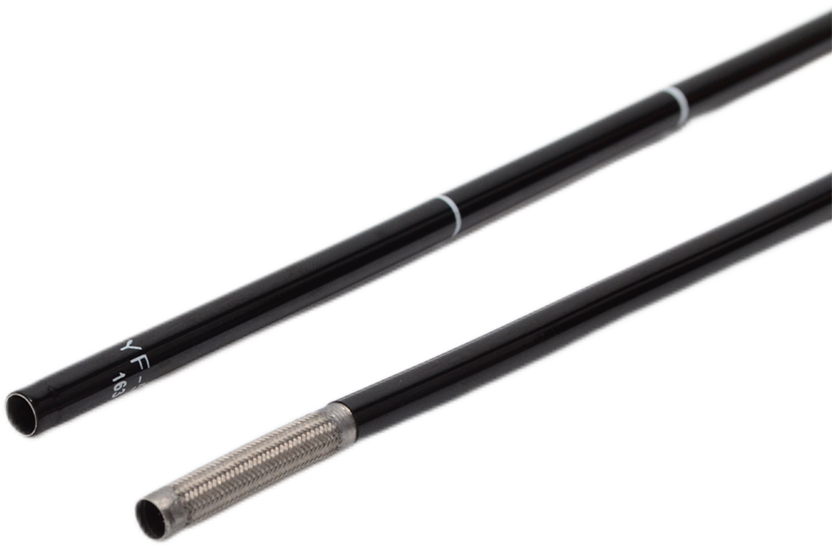
3. Biopsy Channels: Ensuring a Frictionless Pathway
The instrument channel, or biopsy channel, is the working tunnel through which physicians pass surgical tools, snares, and aspiration fluids.
The Manufacturing Challenge: Biopsy channels are typically extruded from specialized materials like PTFE (Polytetrafluoroethylene). The manufacturing process must guarantee an ultra-smooth inner lumen with zero microscopic defects, as any roughness can harbor dangerous biofilms or cause surgical instruments to jam.
Impact on Repair: During a major endoscope repair, threading and thermal-bonding a new biopsy channel requires extreme care. High-quality spare parts prevent kinking during installation and ensure that even when the scope is fully bent in clinical use, the physician experiences a frictionless glide when inserting tools.
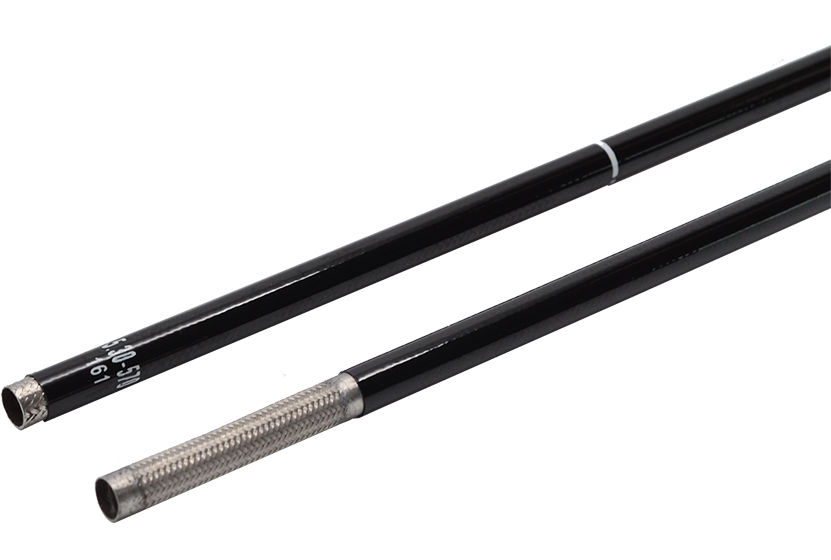
4. Coil Pipe Assemblies: The Backbone of Articulation
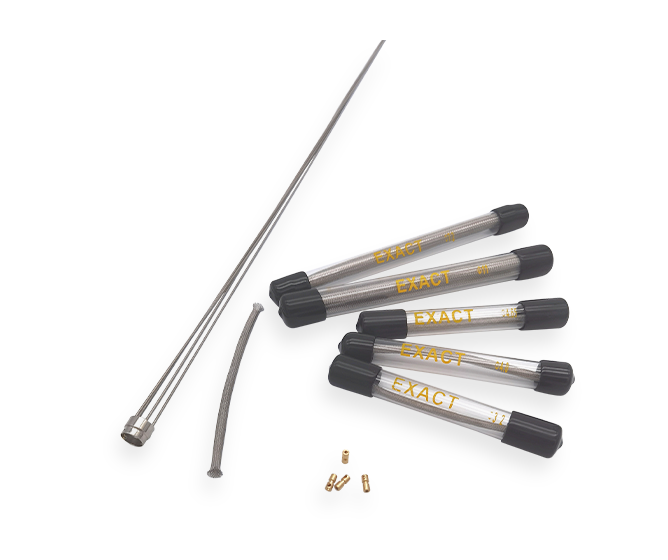
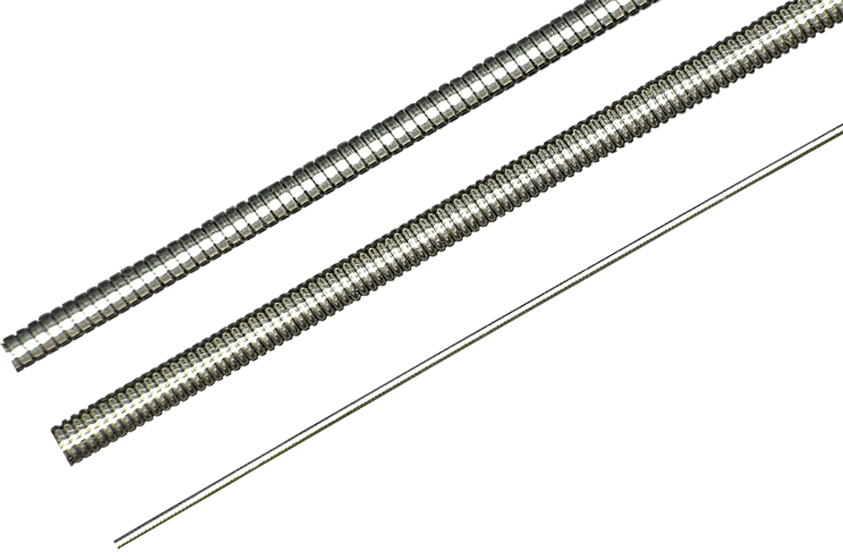
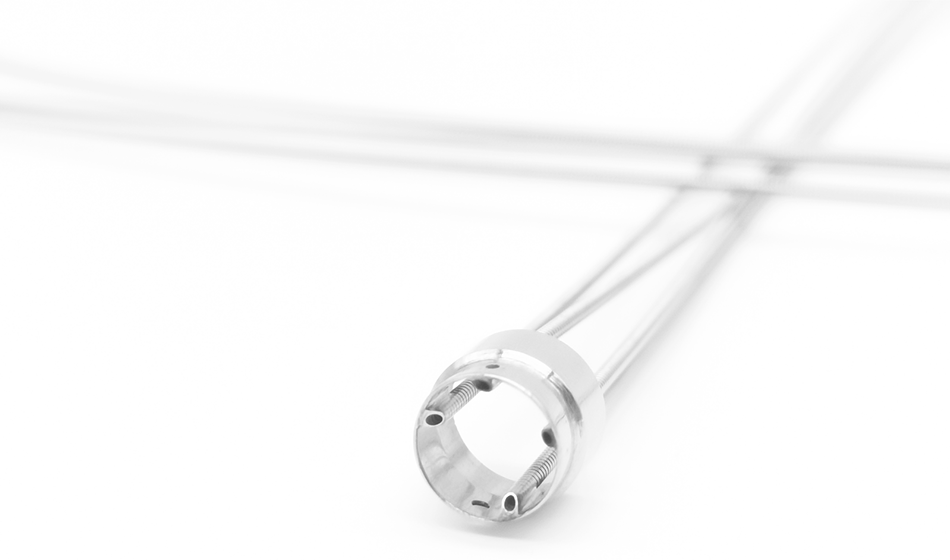
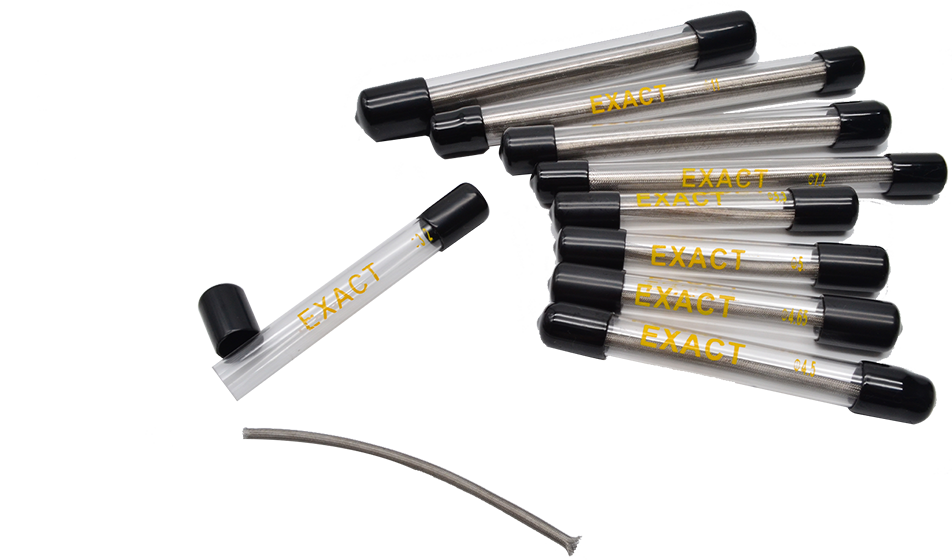
Hidden deep inside the insertion tube and bending section, coil pipe assemblies act as the mechanical guide rails for the scope’s delicate angulation wires.
The Manufacturing Challenge: Producing these metal coils requires micro-precision winding techniques. The pitch, tension, and inner surface smoothness of the coils must be mathematically perfect.
Impact on Repair: The "feel" of an endoscope—how accurately the distal tip responds when the doctor turns the control knobs—is heavily dependent on these assemblies. If an endoscopic surgical component manufacturer delivers coil pipes with high internal friction, the repair technician will be unable to calibrate the steering mechanism properly, resulting in a stiff or unresponsive scope.
Conclusion: The Supply Chain Behind the Service
In the demanding service market for medical devices, a repair is only as reliable as the parts used to complete it. The intricate relationship between skilled technicians and an advanced endoscopic surgical component manufacturer is what keeps healthcare fleets operational. By understanding the rigorous manufacturing standards required for endoscope insertion tubes, LG tubes, biopsy channels, and coil pipe assemblies, service providers can make strategic sourcing decisions that elevate their repair quality and extend the lifecycle of critical medical equipment.