Decoding Fujifilm's Rise in Endoscopy: The ELUXEO 700 Series, OEM Service Strategy, and Market Triumphs
Fujifilm’s transformation from a photographic film manufacturer into a medical imaging powerhouse is a textbook example of corporate evolution. By leveraging decades of deep expertise in optical engineering and color processing, Fujifilm has successfully aggressively expanded into the medical device sector, emerging as a top-tier giant capable of challenging the long-standing dominance of Olympus in the gastroenterology and pulmonology markets.
Here is an in-depth analysis of Fujifilm’s generational technological leap, their highly protective OEM service model, and the underlying factors driving their explosive market success over the past two years.
1. The Technological Leap: Legacy 500/600 Series vs. The ELUXEO 700 Series
For Fujifilm, the transition from the legacy 500 and 600 series to the current 700 series (the ELUXEO platform) was not merely a model update—it was a complete architectural overhaul of their underlying light and sensor technologies.
The Legacy Era (500 & 600 Series):
Illumination: Relied on traditional Xenon or Halogen lamps, which had shorter lifespans and generated significant heat.
Sensors: Utilized Fujifilm’s proprietary "Super CCD" honeycomb sensors. While groundbreaking at the time, CCD technology eventually faced limitations in miniaturization and power consumption.
Image Enhancement: Relied primarily on FICE (Flexible Spectral Imaging Color Enhancement). This was a software-based algorithmic technology that digitally calculated and enhanced tissue contrast. While effective, it lacked the precision of true optical enhancement.
The Game-Changing ELUXEO 700 Series:
Multi-Light 4-LED System: Fujifilm completely abandoned Xenon bulbs in favor of an advanced LED system that independently controls four different light wavelengths (Blue, Blue-Violet, Green, and Red). This drastically increased the lifespan of the equipment and laid the physical groundwork for advanced optical imaging.
The Shift to CMOS: The 700 series fully transitioned to megapixel CMOS sensors. This upgrade delivers faster data transmission, lower noise, and zero-latency Full HD 60fps video.
Hardware-Level Optical Enhancement (LCI & BLI): Moving beyond software filters, the 700 series introduced optical enhancement through physical light modulation:
BLI (Blue Light Imaging): High-contrast imaging that sharply delineates mucosal surface microvessels, highly valuable for the precise diagnosis of early-stage cancers.
LCI (Linked Color Imaging): Fujifilm's undisputed trump card. LCI manipulates the red spectrum to make "red areas redder and white areas whiter" while maintaining a bright overall image. Clinically, LCI has proven incredibly effective for the rapid screening and detection of inflammation, H. pylori infections, and flat polyps.
G7 Ergonomic Grip: A redesigned control body significantly reduces wrist fatigue for physicians performing back-to-back procedures.

2. The Fujifilm OEM Service Strategy
Similar to its rivals, Fujifilm treats post-sale maintenance as a critical profit center and a strategy to maintain hospital loyalty.
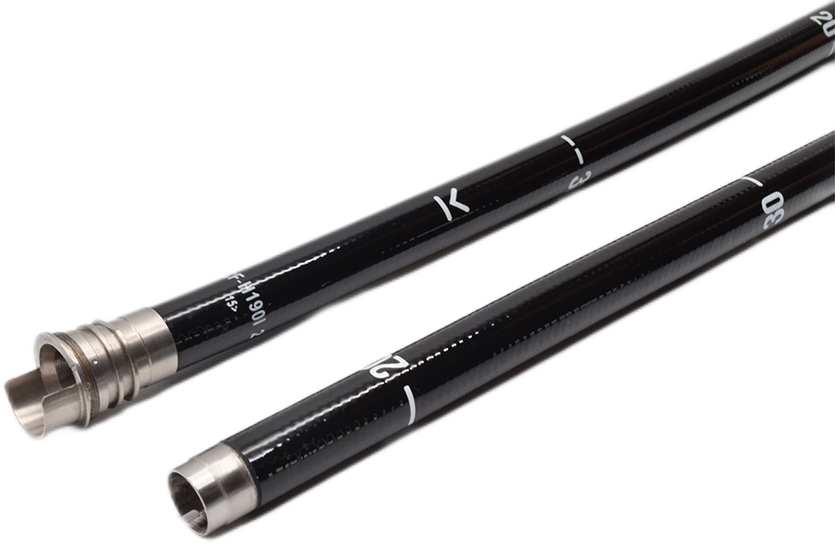
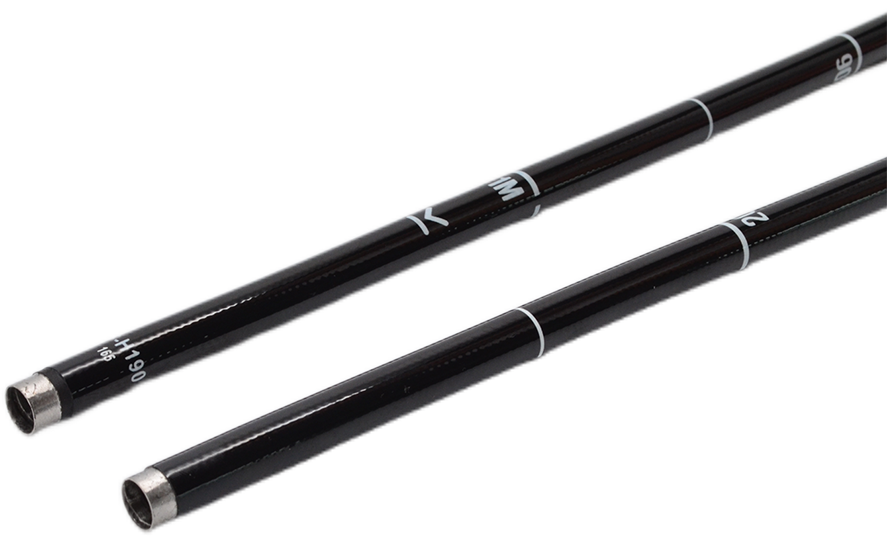
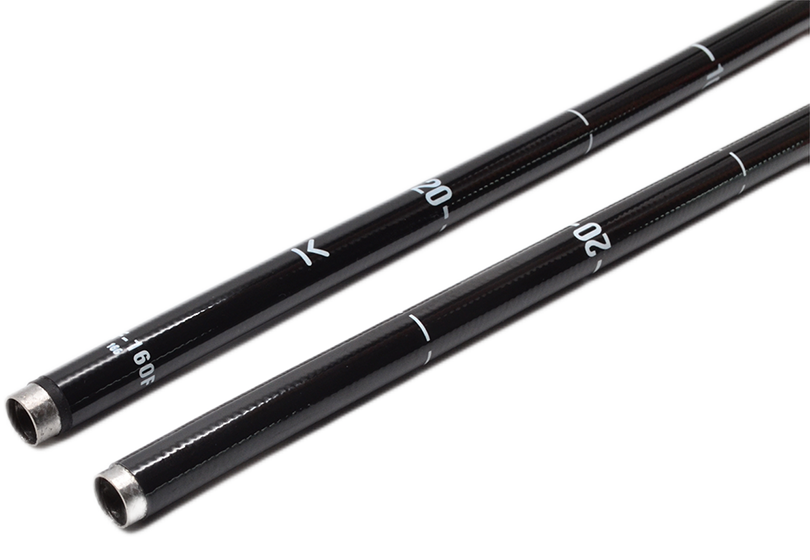
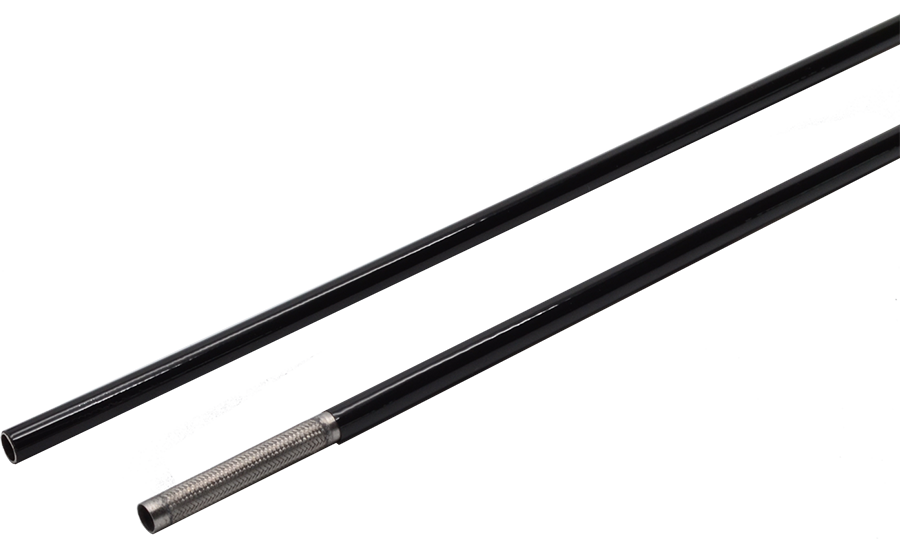
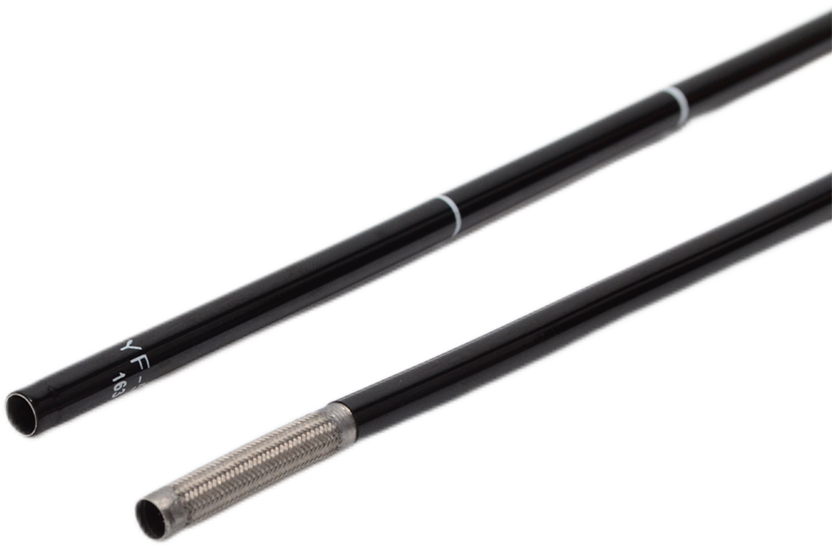
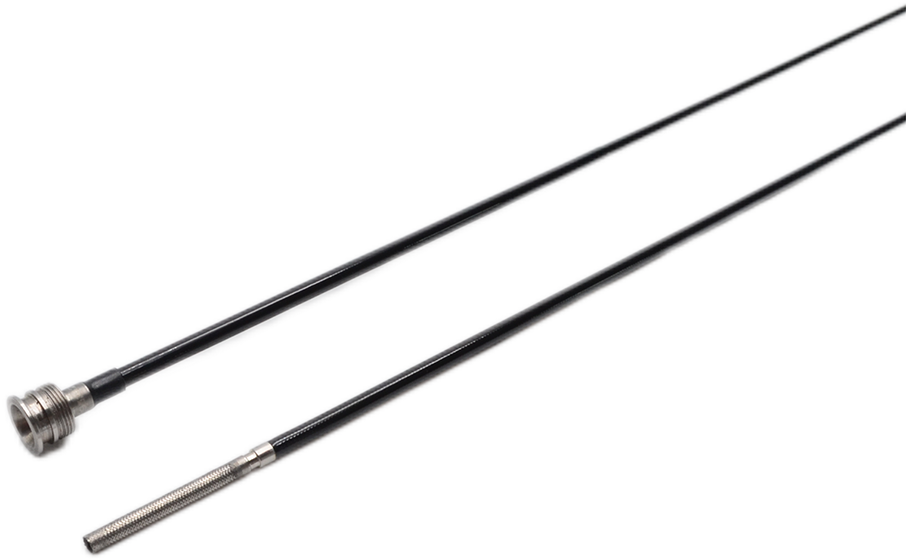
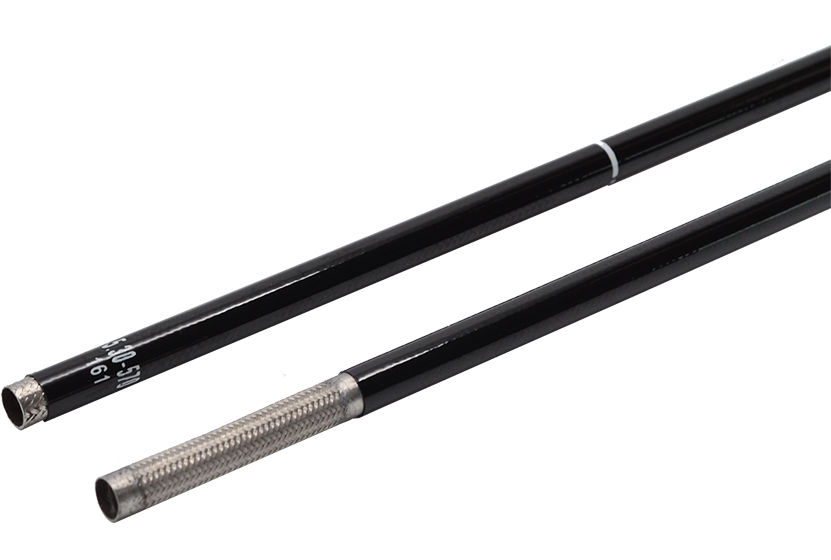
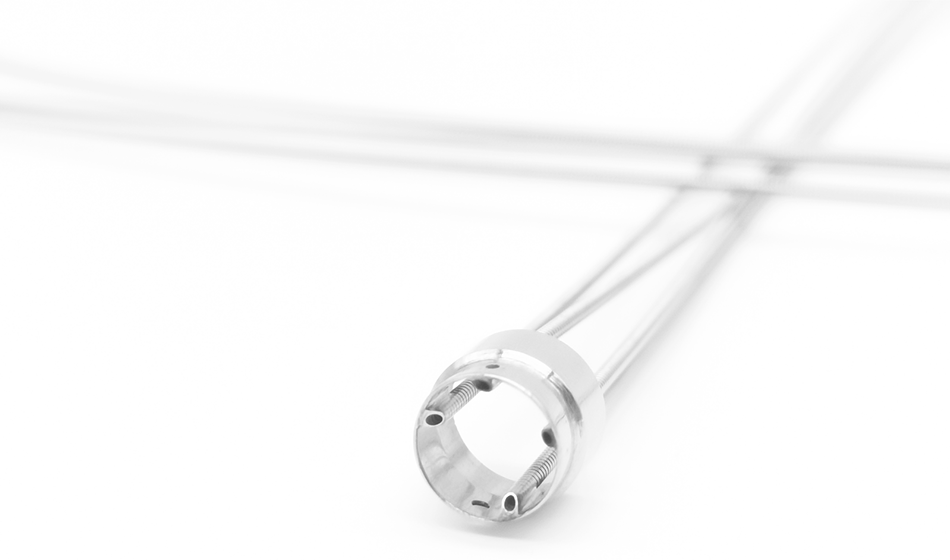
Strict Parts Embargo: Fujifilm maintains intense control over its proprietary supply chain. Critical components for the 700 series—such as the CMOS sensors, specialized multi-core cables, and custom-extruded insertion tubes—are heavily restricted and not sold to Independent Service Organizations (ISOs).
Speed and Loaner Scopes: To win over premium hospitals, Fujifilm competes aggressively on service uptime. Facilities with premium service contracts are routinely provided with "loaner scopes," ensuring zero clinical downtime when equipment is sent back to the factory for major repairs.
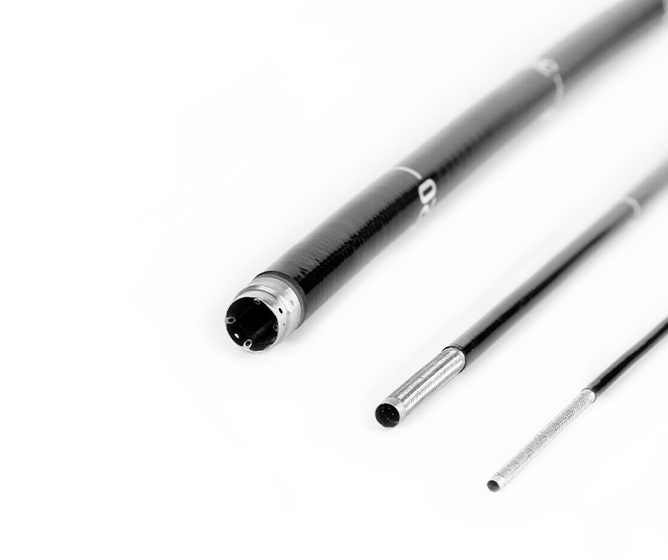
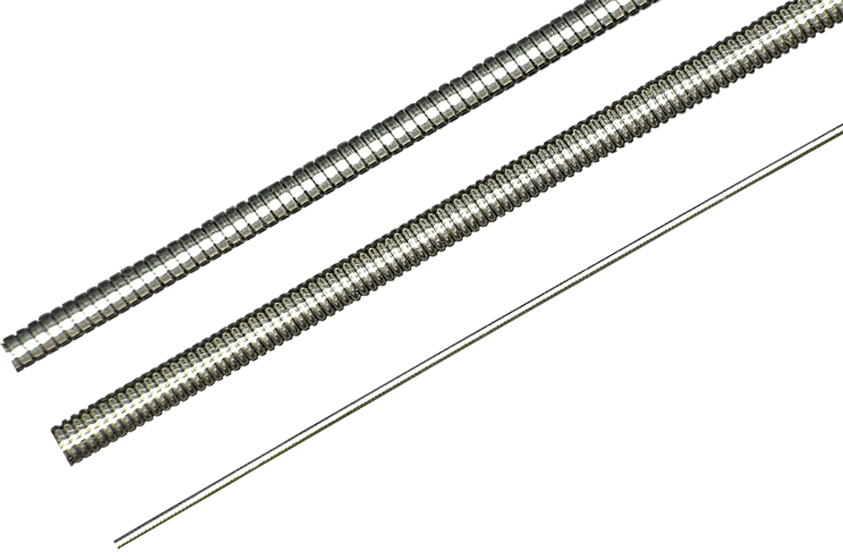
Technical Barriers for ISOs: Repairing a 700 series scope is significantly more difficult than a 500/600 series. The ultra-fine, high-frequency wiring of the CMOS sensor requires extreme micro-soldering precision. If ISOs use aftermarket tubes with poor internal tolerances, it often results in immediate image flickering or complete sensor blackout.
3. Why Fujifilm is Winning in Today's Market
Over the past couple of years, Fujifilm has experienced a remarkable surge in market share, successfully triggering a wave of "fleet replacements" in top-tier Western hospitals. This success is driven by several converging factors:
1. The Clinical Dominance of LCIIn colorectal screening, detecting a lesion is the first and most critical step. While competitor technologies (like Olympus's NBI) are excellent for characterizing a lesion, they often darken the overall image. Fujifilm’s LCI keeps the surgical field incredibly bright while making subtle, flat lesions pop with vibrant color contrast. This drastically reduces procedure times and has been clinically proven to boost the Adenoma Detection Rate (ADR).
2. Forward-Thinking AI Integration (CAD EYE)Fujifilm was exceptionally fast in deploying its proprietary AI-assisted diagnostic system, CAD EYE. Seamlessly integrated with the ELUXEO 700 platform, CAD EYE acts as a real-time second observer, automatically drawing bounding boxes around suspected polyps and predicting their pathology (benign vs. neoplastic).
3. Capitalizing on Competitor VulnerabilitiesRecently, the market leader (Olympus) faced a series of FDA warning letters, fines, and massive product recalls related to the cross-contamination of duodenoscopes and bronchoscopes, compounded by global supply chain delays. Fujifilm sharply capitalized on this vacuum. By offering a stable supply chain and aggressive, bundled pricing strategies, they secured massive contracts from hospitals desperate to upgrade aging fleets.
4. A Comprehensive, Multi-Disciplinary PortfolioFujifilm no longer just sells GI scopes. By leveraging their deep expertise in ultrasound (bolstered by their acquisition of Sonosite), they have refined their Endoscopic Ultrasound (EUS) and Endobronchial Ultrasound (EBUS) lines into highly competitive products, offering hospitals a complete, cross-departmental solution.
ConclusionFujifilm’s recent triumphs are no accident. By completely rebuilding their hardware architecture with CMOS and LED technology, introducing the clinically superior LCI, rapidly integrating AI, and striking decisively while competitors stumbled, Fujifilm has successfully transitioned from a "second-tier challenger" into an innovative leader dictating the future of flexible endoscopy.