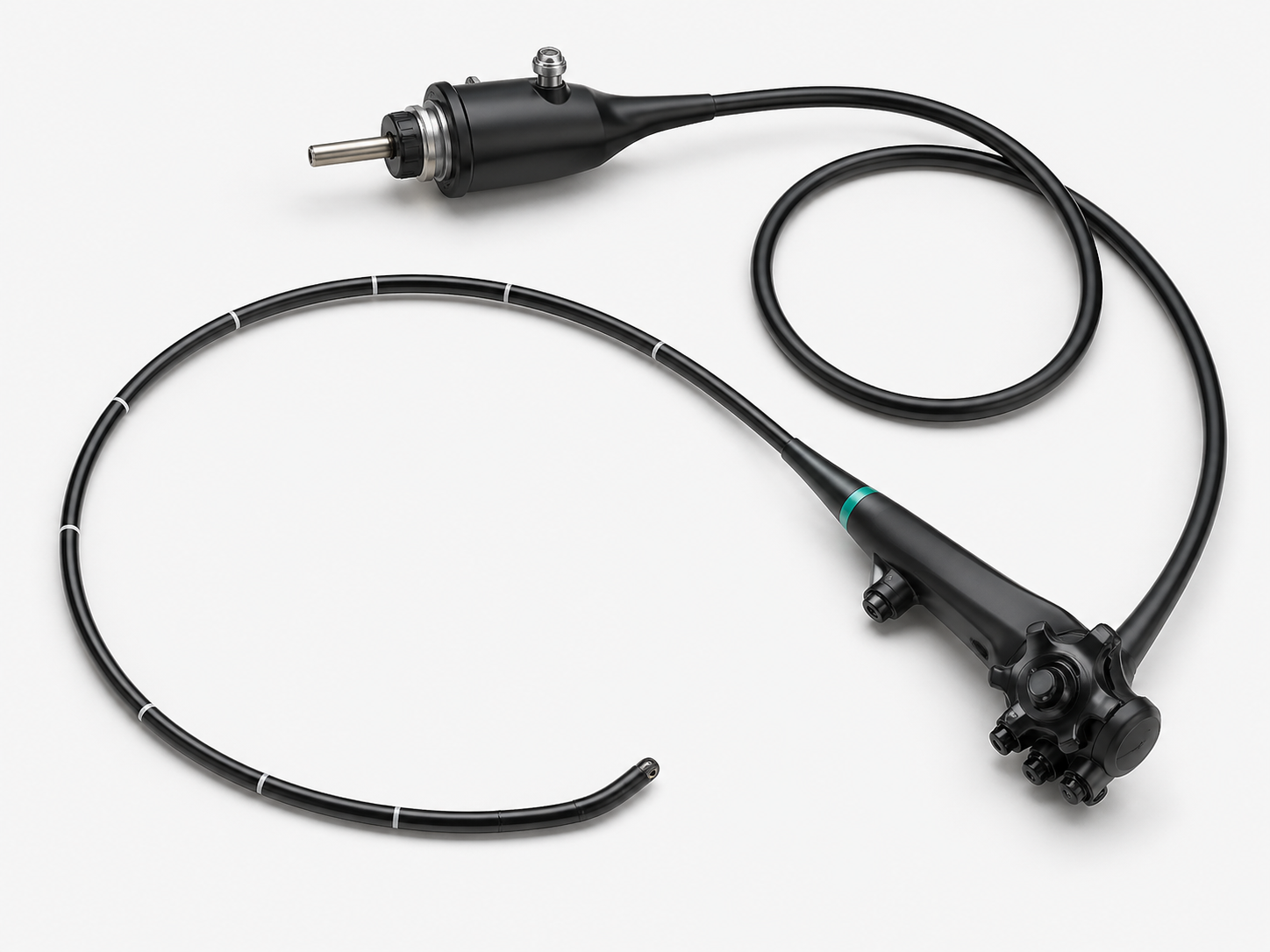
As a global titan in optical and medical technology, Olympus holds a virtually unchallenged, dominant position in the flexible endoscope market. However, as the healthcare landscape evolves—driven by strict infection control mandates and the rise of automation—the company is rapidly transforming from a traditional hardware manufacturer into a comprehensive medical solutions provider.
Here is an in-depth analysis of Olympus’s core flexible endoscopy business, its highly guarded OEM service model, and its aggressive recent expansions into the single-use and surgical robotics sectors.
1. The Core Foundation: Dominating the Flexible Endoscope Market
In the global Gastrointestinal (GI) flexible endoscopy sector, Olympus commands an overwhelming market share of over 70%, making its equipment the universal standard in top-tier hospitals and Ambulatory Surgical Centers (ASCs) worldwide.
The EVIS X1 Era: Olympus’s current flagship video processor platform, the EVIS X1 (CV-1500), represents the pinnacle of their optical engineering.
A Deep Technological Moat: Beyond their industry-renowned NBI (Narrow Band Imaging), the EVIS X1 introduces advanced visualization technologies such as TXI (Texture and Color Enhancement Imaging), RDI (Red Dichromatic Imaging) for deep blood vessel observation, and BAI-MAC (Brightness Adjustment Imaging with Maintenance of Contrast). Furthermore, Olympus is aggressively integrating AI-assisted diagnostic tools (CADe/CADx) directly into their platforms to enhance the detection rates of polyps and early-stage gastric cancers.
2. The OEM Service Model: A Profit Center and the Catalyst for ISOs
Olympus views post-sale service not just as maintenance, but as a critical profit center and a strategy for long-term customer retention. Their Original Equipment Manufacturer (OEM) service model is highly distinctive:
Closed-Loop Lifecycle Management: Olympus heavily promotes comprehensive, long-term service contracts. They promise the exclusive use of 100% genuine OEM parts and guarantee factory-level quality control and rigorous infection prevention standards.
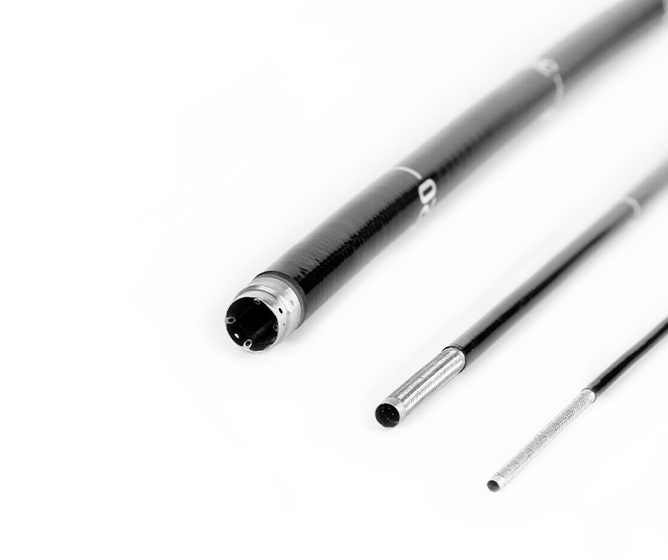
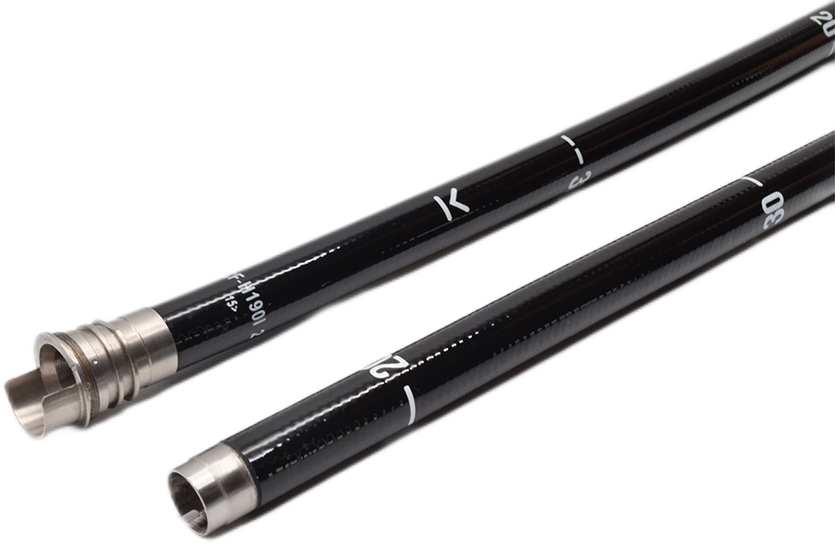
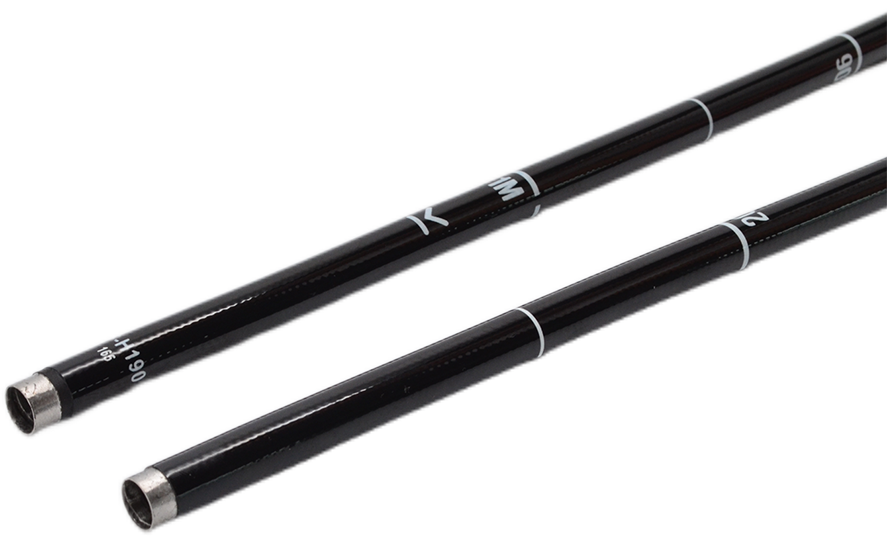
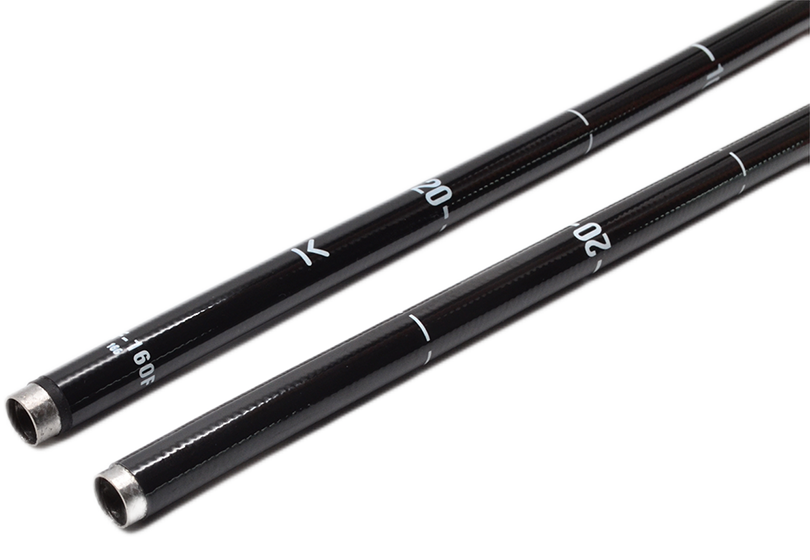
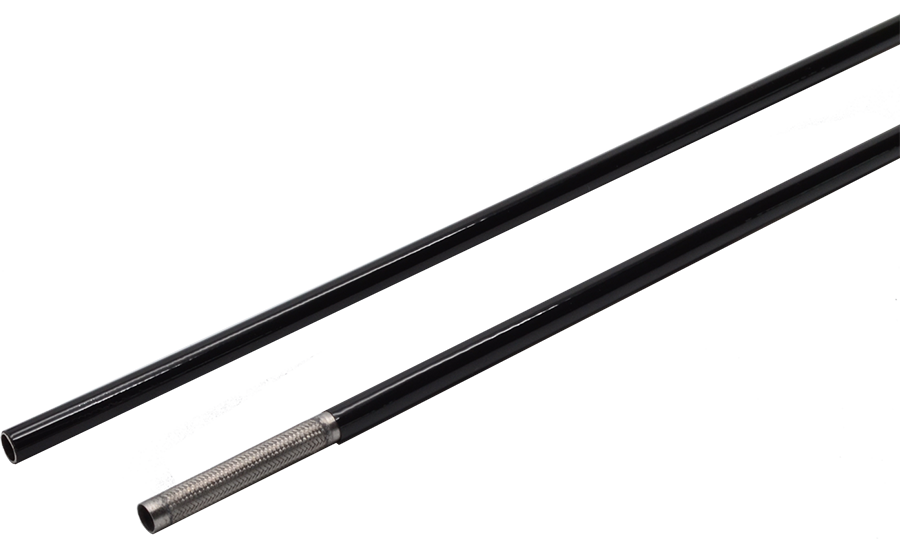
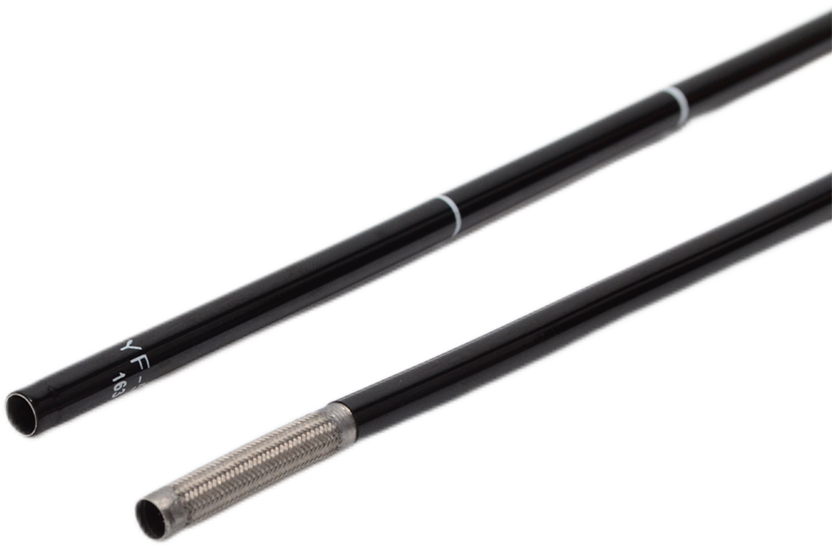
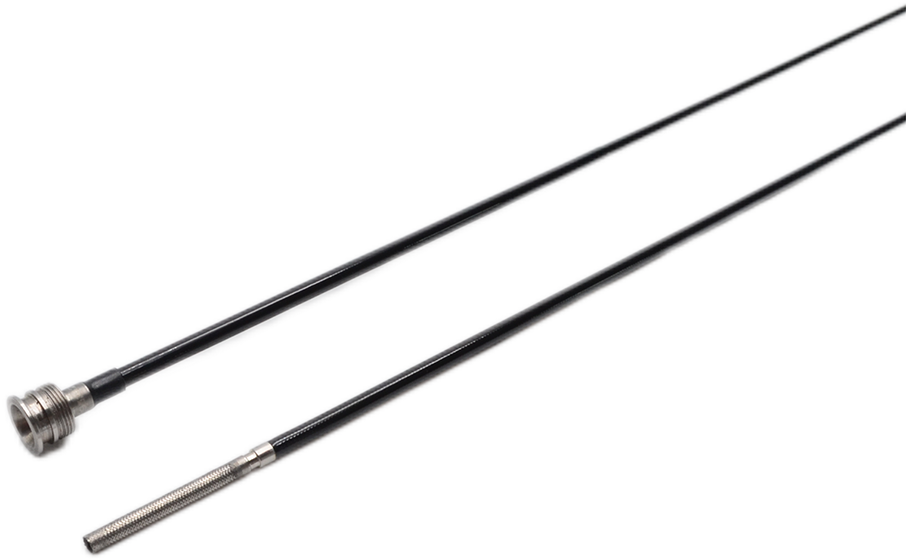
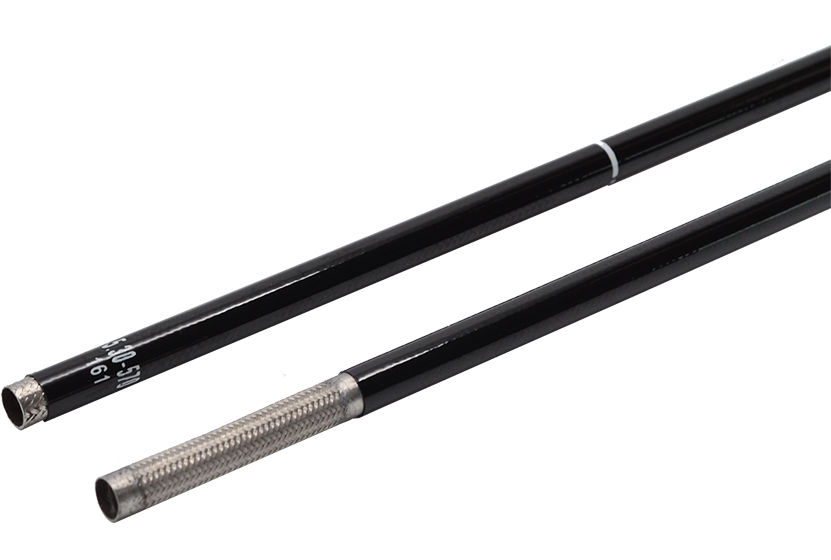
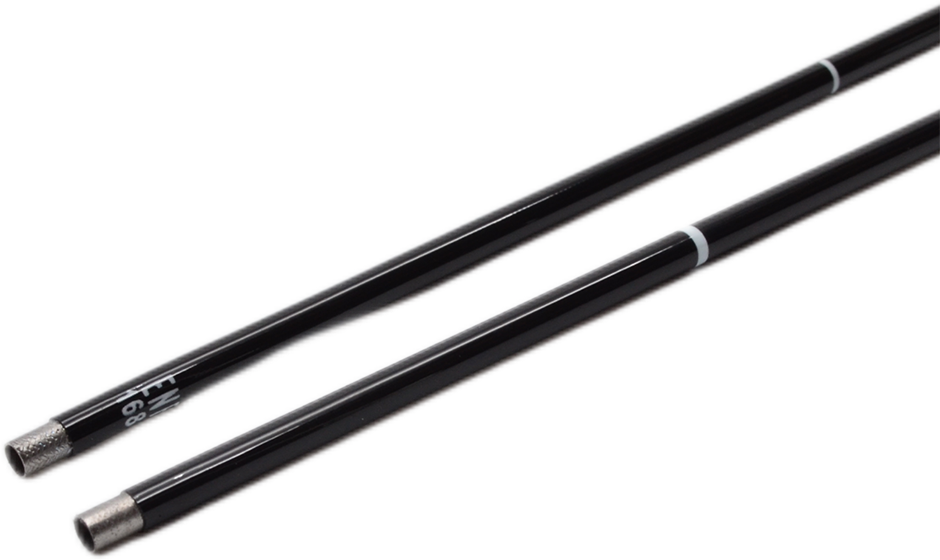
Strict Parts Control: To protect their service revenue, Olympus maintains a tight embargo on critical proprietary spare parts (such as insertion tubes, CCD/CMOS sensors, and mainboards), refusing to sell them to third-party Independent Service Organizations (ISOs).
Fueling the Aftermarket: While the clinical quality of Olympus OEM service is impeccable, the premium pricing of their contracts and occasionally extended turnaround times remain significant pain points for hospital administrators. Ironically, this high OEM service premium is the exact catalyst that created and sustains the booming multi-million dollar third-party endoscope repair market in the US and Europe.
3. Embracing the Disruptors: The Shift to Single-Use Endoscopes
Faced with tightening FDA regulations regarding the cross-contamination risks of reusable scopes, Olympus did not remain stagnant. Instead of fighting the trend toward disposable medical devices, they strategically entered the market to counter agile competitors like Ambu.
The H-SteriScope Portfolio: Olympus successfully launched the H-SteriScope line, a matrix of single-use flexible bronchoscopes. This lineup ranges from ultra-slim models to therapeutic scopes with large working channels, all featuring impressive 210-degree angulation capabilities.
The "Hybrid" Strategy: Olympus is deploying a smart hybrid approach. In the GI sector (colonoscopies and gastroscopies)—where extreme image fidelity is paramount—they continue to dominate with premium reusable equipment. Meanwhile, in high-infection-risk environments like pulmonology and the ICU, they push their single-use portfolio, effectively capturing the hospital's entire endoscopy purchasing budget.
4. The Next Frontier: Endoluminal Surgical Robotics
When expanding into surgical robotics, Olympus wisely chose not to compete directly with Intuitive Surgical’s Da Vinci system in the multi-arm, rigid laparoscopic market. Instead, they leaned into their greatest strength: Endoluminal (natural orifice) navigation.
Swan EndoSurgical: In a major strategic move, Olympus partnered with Revival Healthcare Capital to launch Swan EndoSurgical, a "build-to-buy" joint venture startup backed by an initial $65 million commitment.
Flexible Intraluminal Robotics: The ultimate goal of this venture is to develop a minimally invasive robotic platform that operates entirely through the working channel of a flexible GI endoscope. Imagine a flexible tube navigating the digestive tract, from which microscopic, haptic-enabled robotic arms emerge to perform complex tumor resections, dissections, or suturing directly inside the organ cavity. This organ-sparing, scarless surgical approach represents Olympus's ambitious vision for the ultimate evolution of flexible endoscopy.
Through these strategic pivots, Olympus is proving that it is no longer just a company that sells "lenses and tubes." By securing its core market while aggressively investing in AI diagnostics, single-use consumables, and endoluminal robotics, Olympus is actively writing the next chapter of minimally invasive care.