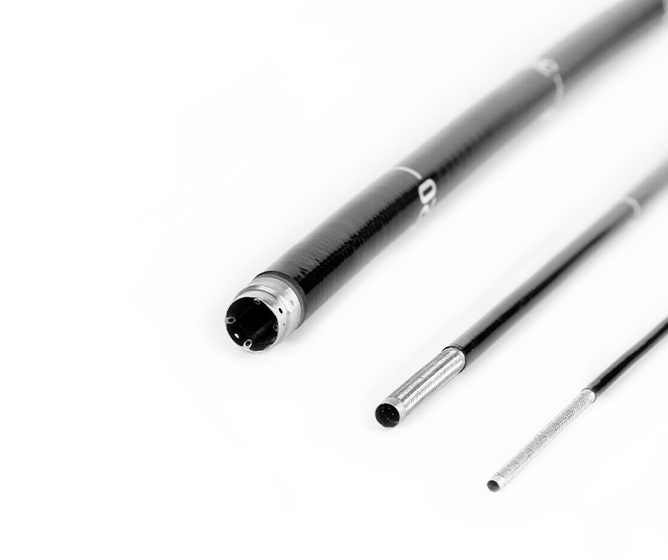
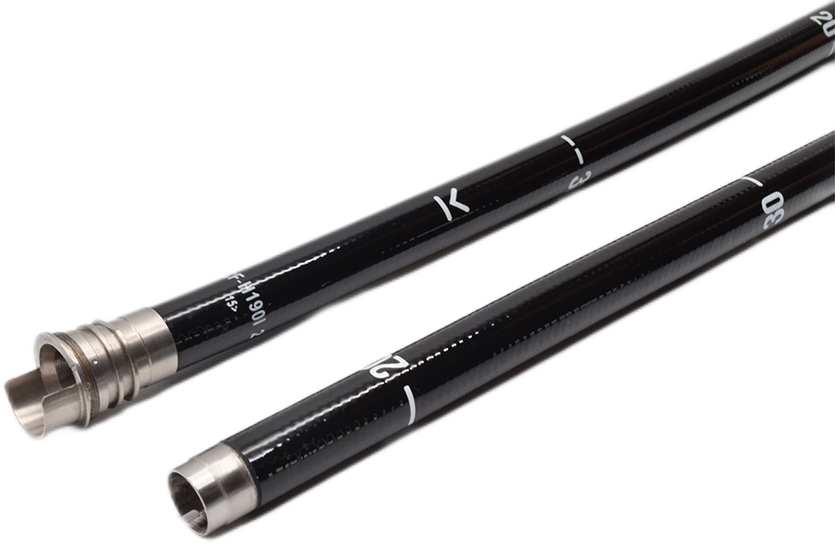
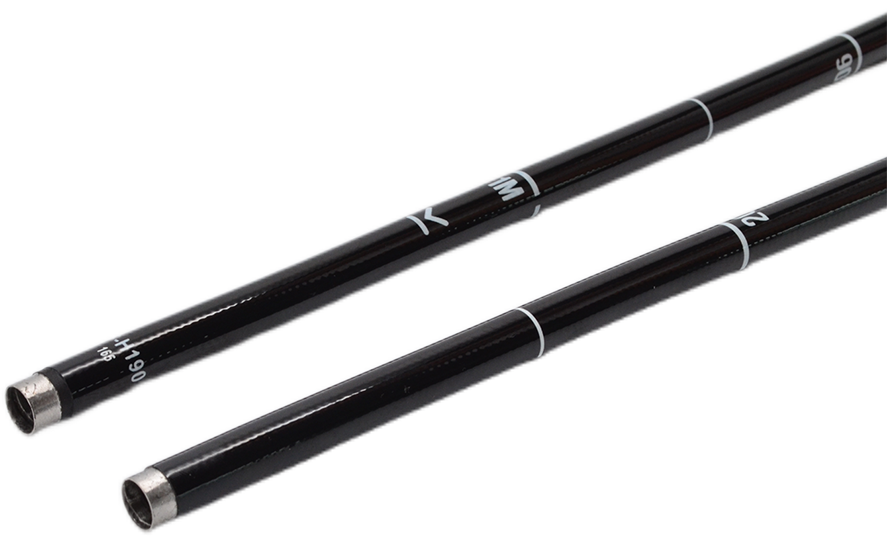
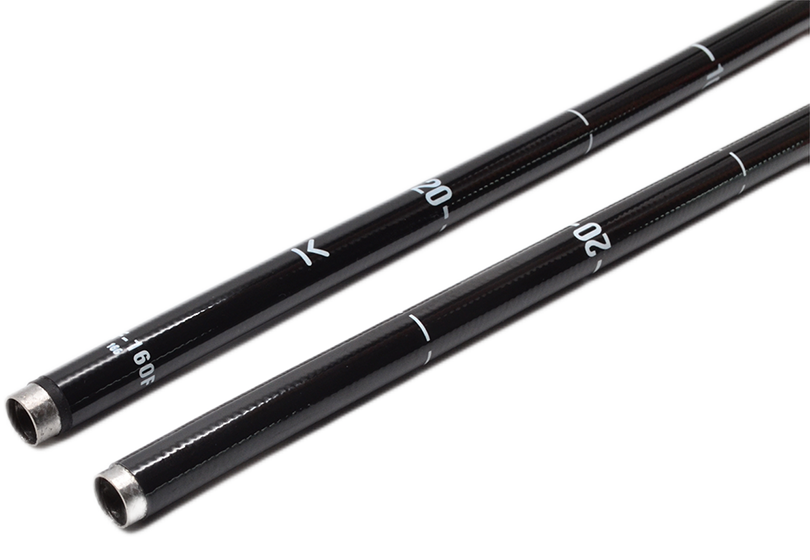
Over the past few decades, medical endoscopes have undergone a historic transformation: evolving from simple diagnostic tools meant merely to "see" a lesion, into powerful therapeutic platforms designed to remove it. Today, complex procedures like Endoscopic Submucosal Dissection (ESD) and Peroral Endoscopic Myotomy (POEM) allow patients to avoid open surgery entirely.
However, traditional flexible endoscopy is rapidly approaching the limits of human physical capability. Operating a meter-long flexible tube and microscopic instruments within the narrow, actively peristaltic confines of the gastrointestinal or respiratory tract using only human hands presents a steep learning curve, significant two-dimensional visual limitations, and a stark lack of tactile feedback.
Standing at the next crossroads of medical technology, the future of endoscopic surgery will inevitably be defined by the rise of Endoluminal Surgical Robotics.
1. From Rigid to Flexible: The Breakthrough of Endoluminal Robotics
When we think of surgical robots, the Da Vinci system often comes to mind. However, Da Vinci is a rigid laparoscopic system that requires trocars (incisions) through the patient's abdomen to establish an entryway.
The vision for endoscopic surgical robotics is far more extreme: True Scarless Surgery.
Future flexible endoscopic robots will navigate the body’s natural orifices—the GI tract, respiratory airways, and urological pathways—to reach deep-seated lesions. These "snake-like" platforms must possess extreme flexibility to navigate complex anatomical curves, yet instantly achieve sufficient rigidity to support delicate surgical maneuvers upon reaching the target site. Currently, medical giants (such as Olympus, through its Swan EndoSurgical venture) and numerous innovative startups are racing to develop micro-robotic arms capable of operating entirely through the working channels of traditional flexible endoscopes.
2. Three Core Technologies Driving the Future
The next generation of endoscopic robotic systems will be a seamless fusion of advanced optics, micro-electromechanical systems (MEMS), and artificial intelligence. The following three technologies will become the new standard of care:
Micro-Dexterity (Multi-Degree-of-Freedom Arms): Traditional endoscopic instruments are limited to simple push-pull and open-close mechanics. Future endoluminal robots will deploy micro-robotic arms with six or more degrees of freedom (DoF) through extremely narrow 3mm to 4mm working channels.
Clinical Value: Surgeons will be able to perform highly dexterous traction, dissection, cutting, and suturing within incredibly confined spaces. Complex tumor resections will become as precise and controllable as peeling the membrane off a raw egg.
Deep Integration of AI & AR Navigation: The endoscope of the future will no longer be just a "camera," but the surgeon's "super-brain."
Pre-op and Intra-op Fusion: By integrating CT and MRI scans, the system will overlay Augmented Reality (AR) navigation routes directly onto the endoscopic feed, actively guiding the robot away from hidden, deep-seated major blood vessels.
Automated Tissue Recognition: AI will analyze tissue spectral data in real-time (an evolution of current NBI/LCI technologies), automatically highlighting microscopic tumor boundaries on the monitor to ensure "negative margins"—meaning the complete resection of cancer without damaging surrounding healthy tissue.
Reconstructing Haptic Feedback: One of the most significant pain points of current flexible endoscopy is the "lack of feel." Surgeons rely entirely on visual cues and experience to judge tissue tension, which frequently leads to accidental perforations.
Haptic Rebirth: Next-generation endoscopic robots will integrate nanoscale force sensors into their micro-jaws. When a robotic arm grasps fragile mucosa, the system will translate that force data into physical vibration or resistance at the surgeon's master console, completely restoring the vital "sense of touch" lost in digital surgery.
3. The Ultimate Vision: Organ Preservation and the NOTES Era
The maturation of endoluminal surgical robotics will finally open the door to the widespread adoption of NOTES (Natural Orifice Transluminal Endoscopic Surgery).
In the near future, patients with early-stage gastric or colorectal cancer will no longer need partial or full organ resections. Using flexible robotics, surgeons will precisely excise the lesion and perform intricate, watertight suturing entirely within the organ cavity—feeling much like a routine endoscopy to the patient. Patients will wake up with zero external scars, their organ functions will be maximally preserved, and they will be discharged within days instead of weeks.
Furthermore, as these robotic platforms become more accessible and ultra-low-latency 5G networks expand, remote endoscopic robotic surgery will become a reality. A top-tier GI specialist sitting at a console in New York could flawlessly perform a highly complex ESD tumor resection for a patient located in a rural clinic thousands of miles away.
Conclusion
If the past 50 years of endoscopy allowed humanity to peer clearly into the body's hidden corners, the next 20 years will empower surgeons with the miraculous robotic hands required to reshape life within those exact spaces. The ultimate minimally invasive revolution—moving from external incisions to true internal, endoluminal mastery—is just beginning.