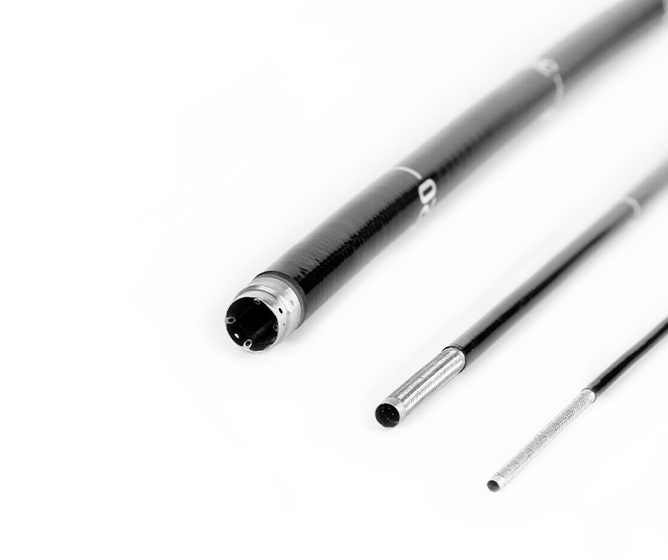
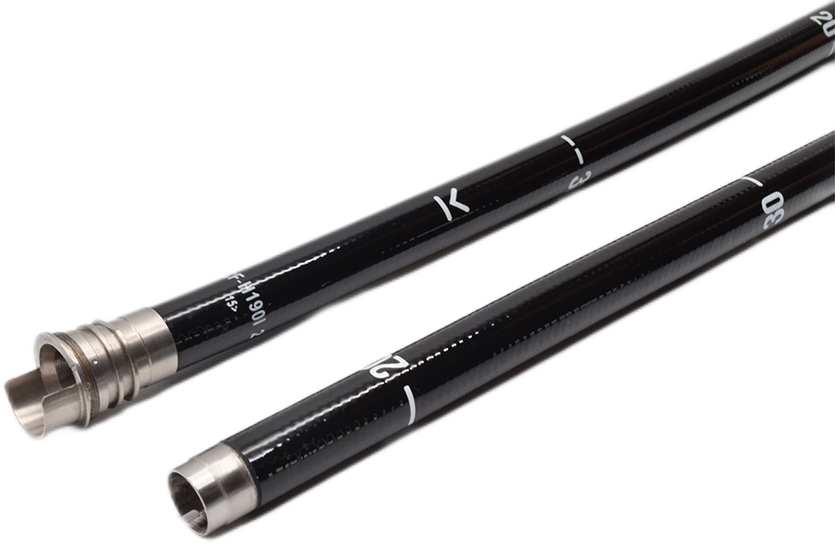
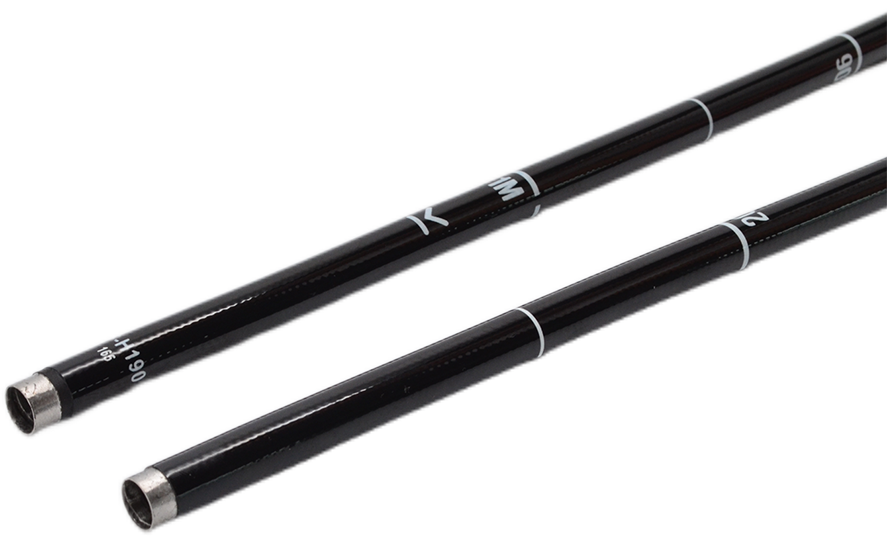
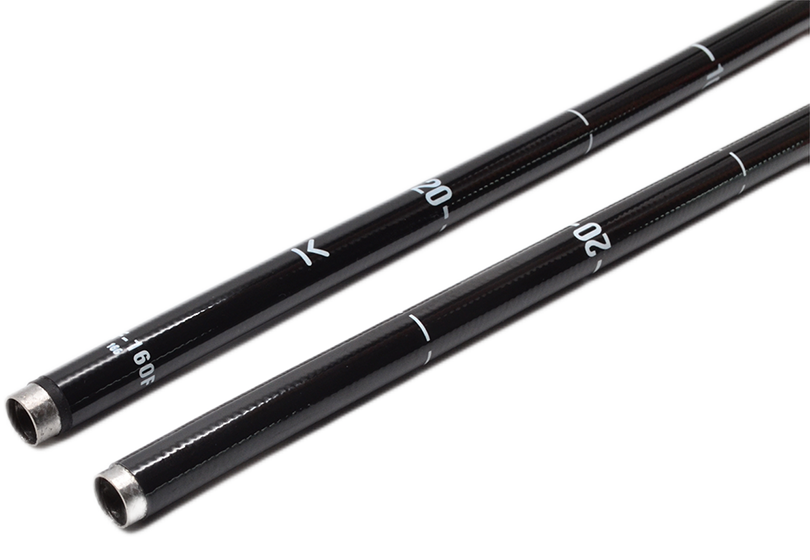
Endoscopic Ultrasound (EUS) has revolutionized the field of medicine, bridging the gap between high-definition optical imaging and deep-tissue sonography. Originally designed as a purely diagnostic tool for staging gastrointestinal cancers, EUS has rapidly evolved into a powerful platform covering both advanced GI therapeutics and structural heart interventions.
As hospitals and ambulatory surgery centers upgrade their endoscopy fleets, the EUS market is currently dominated by technological giants releasing next-generation platforms. Here is a comprehensive overview of the key players and their latest flagship models shaping the market.
1. Olympus: Advancing Endosonography with New Processors
Olympus remains a dominant force in the global GI EUS market, recently focusing heavily on upgrading its processing power to deliver higher resolution imaging.
Next-Gen Processors (EU-ME3 & Aplio i800): Olympus recently launched the EU-ME3 ultrasound processor, which substantially enhances image quality compared to prior generations and features Shear Wave Quantification to evaluate tissue stiffness. Furthermore, Olympus partnered with Canon Medical Systems to introduce the premium Aplio i800 EUS system in the U.S., which combines high-resolution imaging with workflow features like automated gain to support complex hepatobiliary diagnoses.
Flagship Scopes: These advanced processors pair with their workhorse scopes, such as the therapeutic linear array (GF-UCT180) and diagnostic radial array (GF-UE190).
2. Fujifilm: The Rising Therapeutic Powerhouse
Following its integration of Hitachi’s diagnostic ultrasound business, Fujifilm has aggressively expanded its premium 700 Series EUS portfolio.
EG-740UT (Premium Linear Array): Fujifilm recently obtained 510k clearance for the EG-740UT, its newest premium linear EUS scope designed for both diagnostic and therapeutic procedures. A major upgrade is its enlarged 4.0mm working channel, which decreases resistance for larger caliber stents used in transluminal drainage.
ARIETTA 850 Processor: The EG-740UT is fully compatible with the ARIETTA 850 ultrasound processor. This processor utilizes "Real-time Tissue Elastography (RTE)" and "Shear Wave Measurement" to quantitatively evaluate tissue elasticity. Fujifilm's portfolio also includes the EG-580UR radial scope.
3. Pentax Medical: Ergonomics and Enlarged Channels
Pentax Medical continues to hold a significant market share by focusing on user ergonomics and advanced therapeutic capabilities.
J10 Series (EG-38-J10UT): Pentax’s latest flagship linear EUS scope is engineered specifically for complex therapeutic procedures. Similar to the latest market trends, it boasts an enlarged working channel (up to 4.0 mm) to facilitate easier stent placement and improved suction capabilities during Fine Needle Aspiration/Biopsy (FNA/FNB).
4. Philips: The Pioneer in Cardiac Endoscopic Ultrasound (TEE)
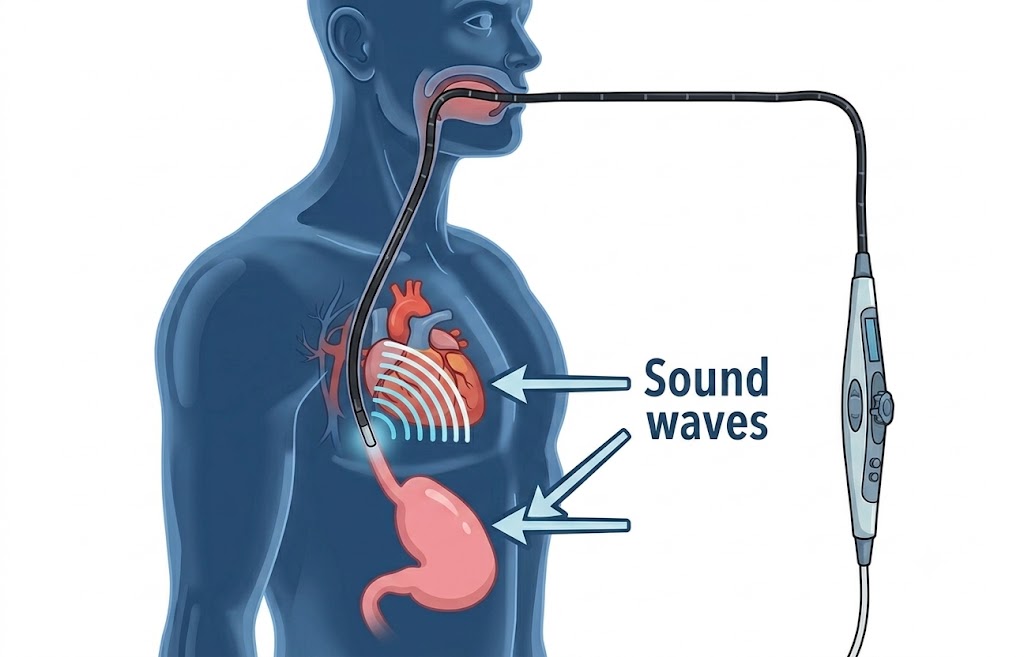
While traditional GI endoscopy is dominated by optical giants, Philips commands a highly specialized and equally critical segment of endoscopic ultrasound: Transesophageal Echocardiography (TEE).
xMATRIX TEE Transducers (X7-2t & X8-2t): Philips revolutionized the cardiac EUS market with its Live 3D TEE technology. The classic X7-2t has long been an industry standard, while the latest flagship X8-2t xMATRIX transducer brings superior acoustic design, improved heat management, and even higher resolution. These probes function similarly to gastrointestinal endoscopes but are navigated down the esophagus to provide unhindered, real-time 3D/4D views of the heart structures and valves.
EPIQ CVx Integration: These high-end TEE endoscopes are perfectly paired with Philips' premium EPIQ CVx cardiovascular ultrasound systems. Together, they offer AI-driven anatomical intelligence and TrueVue photorealistic rendering, which are indispensable for guiding complex structural heart disease interventions.