The Landscape of the US Endoscope Service Market
The United States represents one of the largest and most dynamic segments of the global healthcare industry. With an aging population and a strong clinical preference for minimally invasive procedures, the volume of gastrointestinal (GI), respiratory, and urological endoscopies performed annually in the US is staggering. Consequently, the Endoscope service market has evolved into a multi-million dollar industry.
Hospitals and ambulatory surgical centers (ASCs) rely heavily on these intricate devices. However, the high initial capital investment and the equally high costs of Original Equipment Manufacturer (OEM) service contracts have forced healthcare providers to reevaluate how they manage their equipment lifecycles.
The Rise of Independent Service Organizations (ISOs)
Historically, OEMs like Olympus, Pentax, and Fujifilm dominated the post-sale service landscape in the US. Today, the market is experiencing a significant shift toward Independent Service Organizations (ISOs).
US healthcare facilities are increasingly partnering with ISOs for three main reasons:
Cost Efficiency: ISOs typically offer repair services and maintenance contracts at a fraction of the cost of OEM agreements, helping hospitals manage shrinking reimbursement rates.
Faster Turnaround Times: In a busy US hospital, equipment downtime directly translates to canceled procedures and lost revenue. ISOs often provide localized, rapid repair services that get scopes back into circulation faster.
Customized Service Models: Unlike rigid OEM contracts, independent repair facilities offer flexible, usage-based, or capitated service agreements tailored to the specific needs of an ASC or hospital network.
The Foundation of Reliability: The Supply Chain
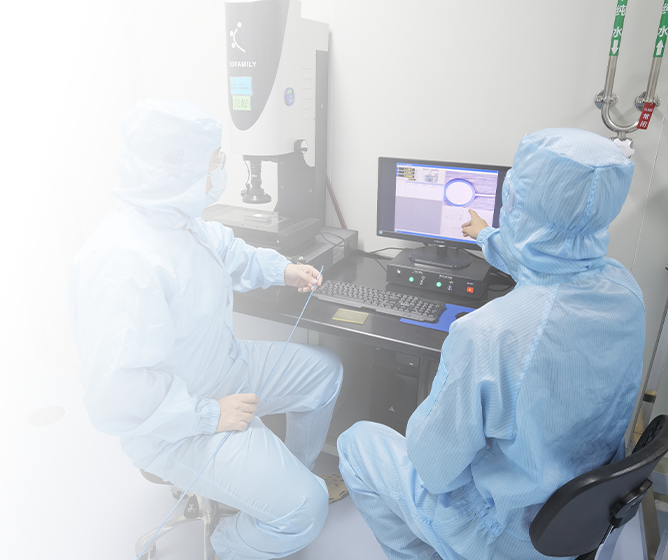
While the shift to ISOs makes financial sense, the clinical viability of third-party repair rests entirely on the quality of the engineering and the materials used. A refurbished endoscope must perform exactly like a new one to ensure precise diagnostics and patient safety.
This is where the aftermarket supply chain becomes the most critical factor in the US Endoscope service market:
Sourcing from a Dedicated Manufacturer: ISOs cannot afford to use subpar materials. Partnering with an advanced Manufacturer that specializes in medical-grade extrusion, metal machining, and polymer engineering is essential. These manufacturers invest heavily in reverse-engineering OEM specifications to ensure perfect compatibility.
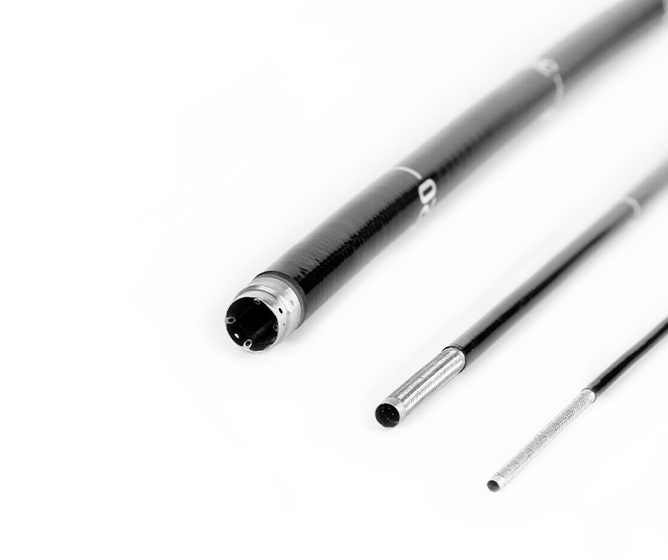
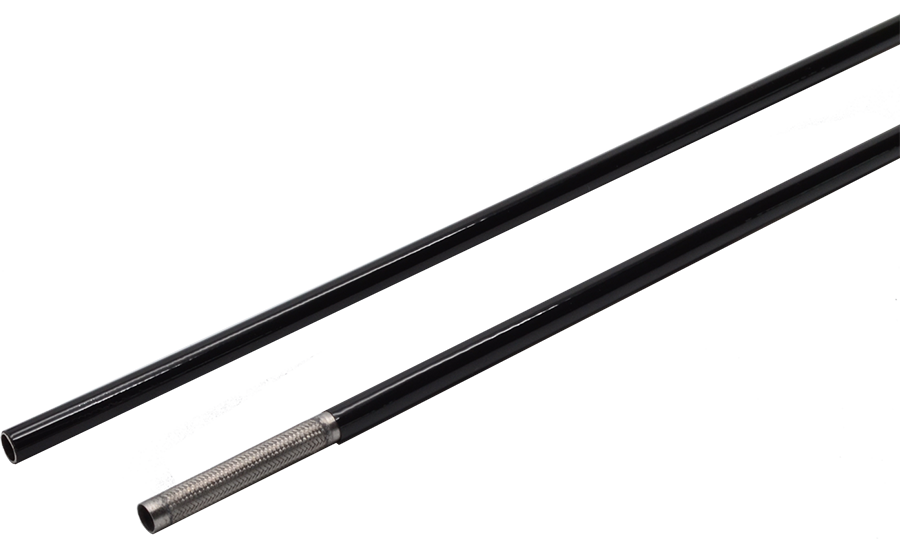
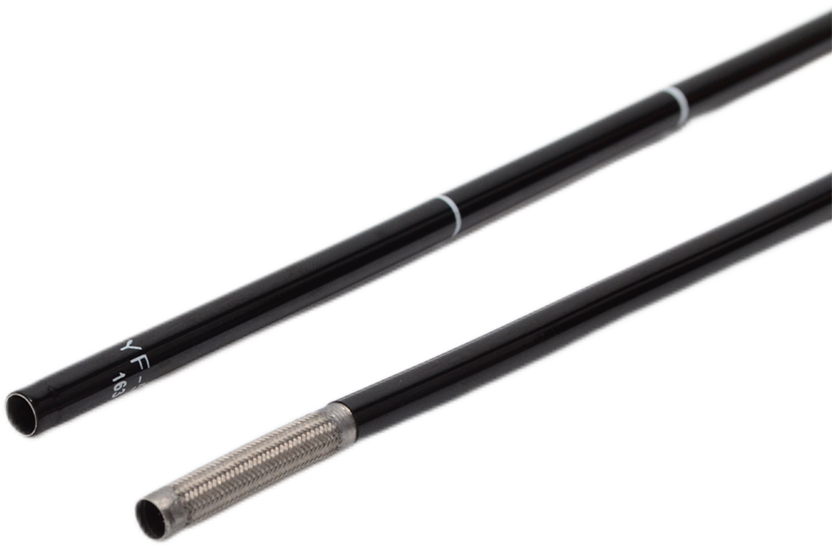
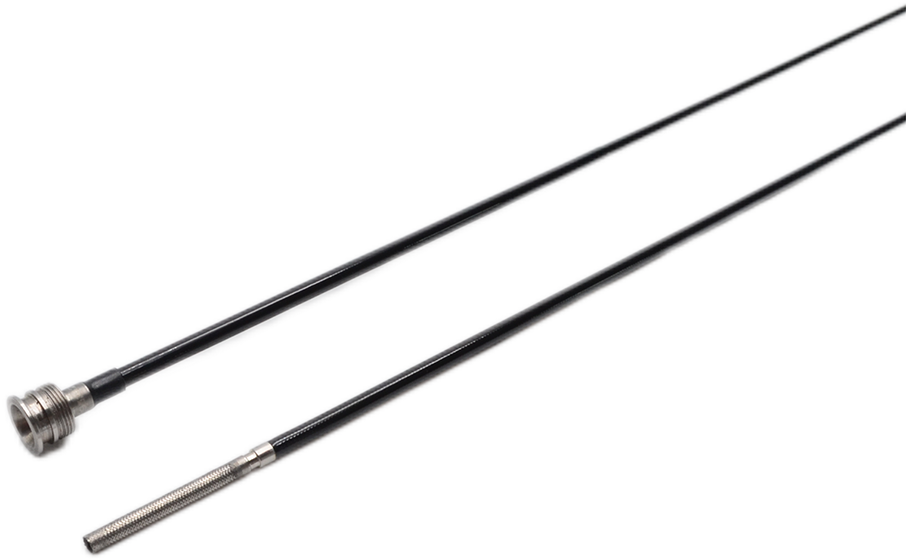
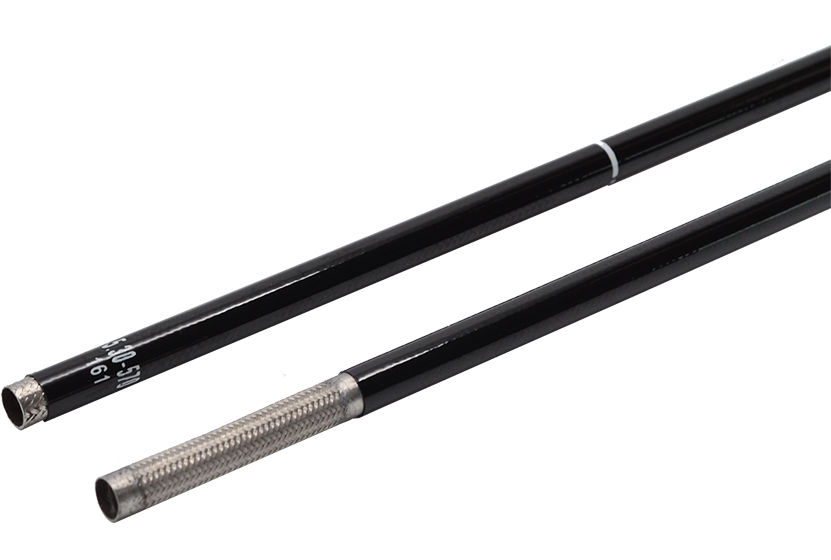
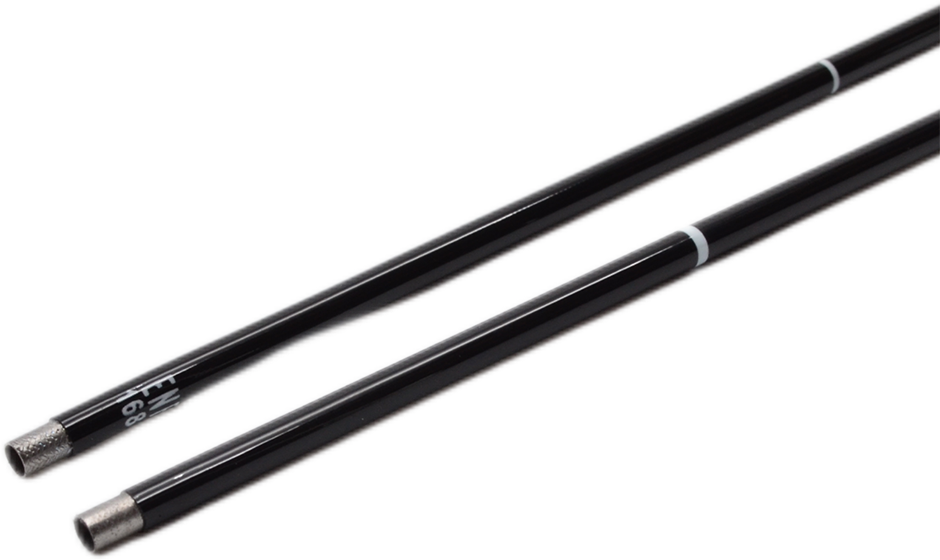
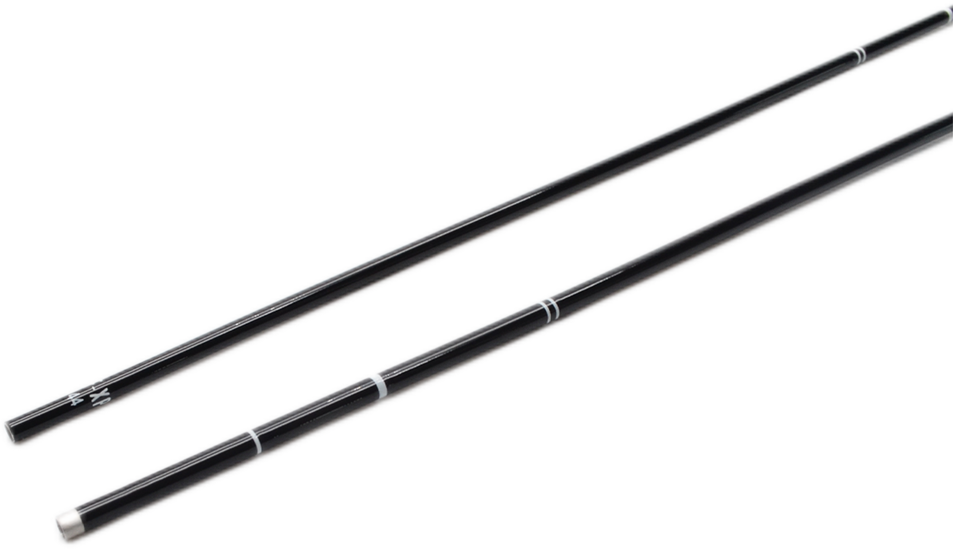
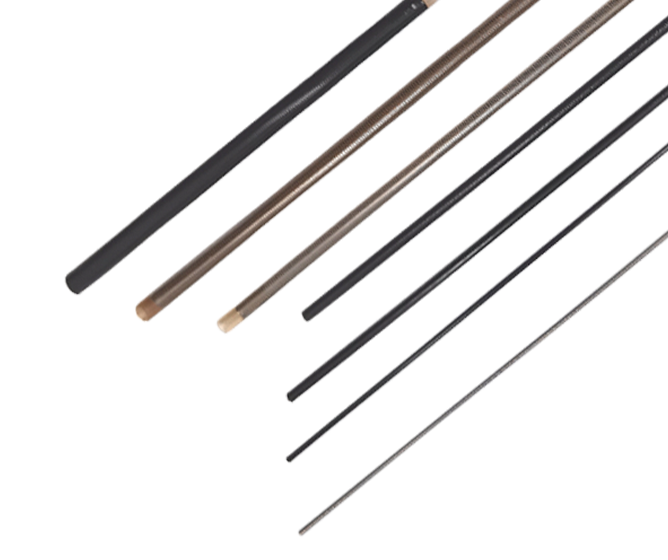
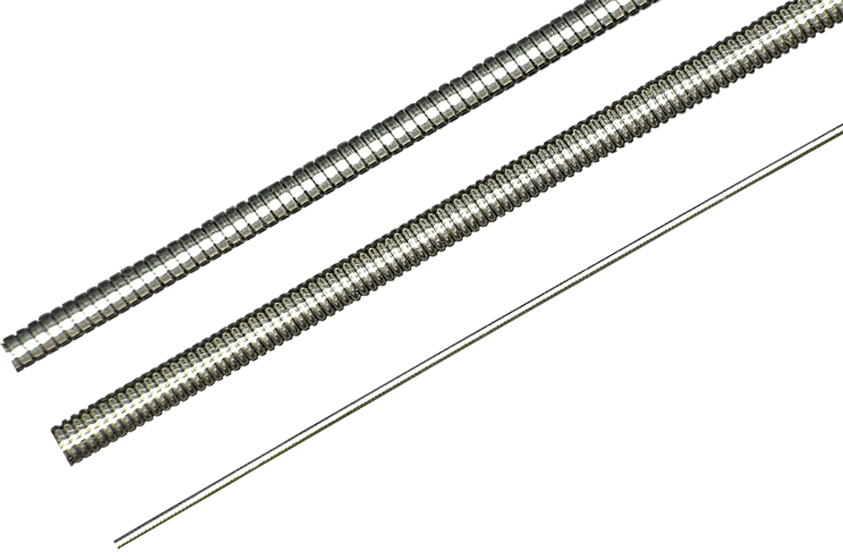
Precision in Every Component: A flexible endoscope is a symphony of moving parts. Every single Component—whether it is a delicate biopsy channel, a tightly wound coil pipe, or a fluid-resistant Light Guide (LG) tube—must be engineered with zero tolerance for error. A failure in just one component can lead to fluid invasion or loss of steering control during a surgery.
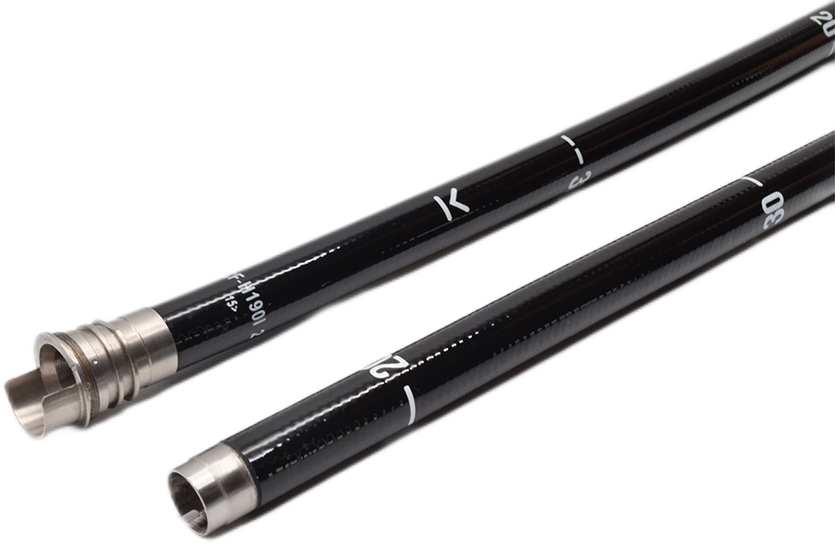
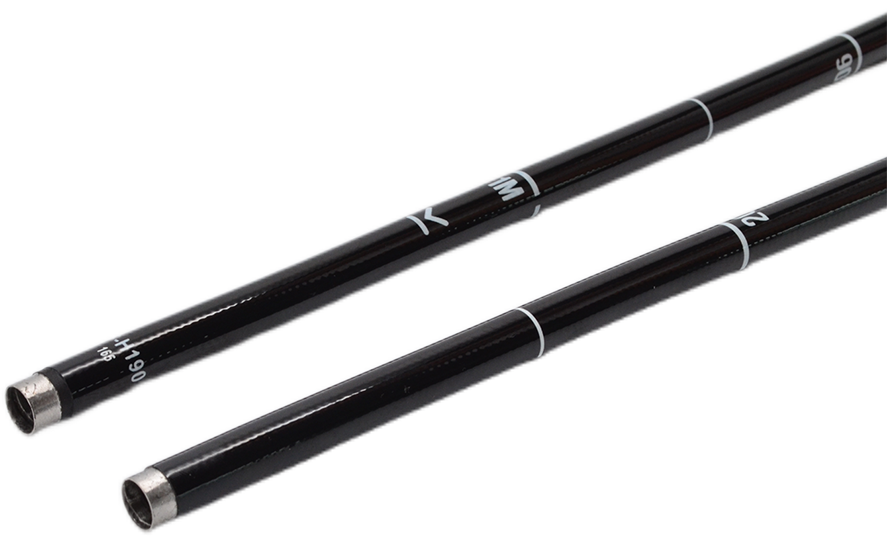
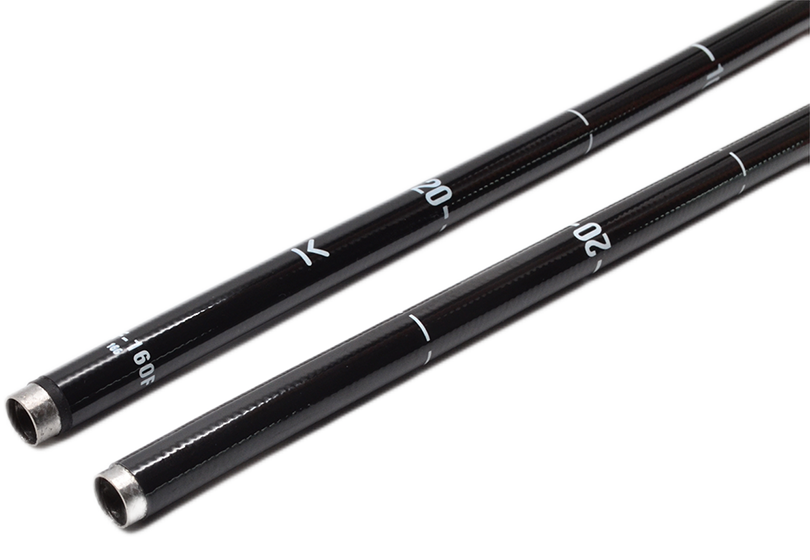
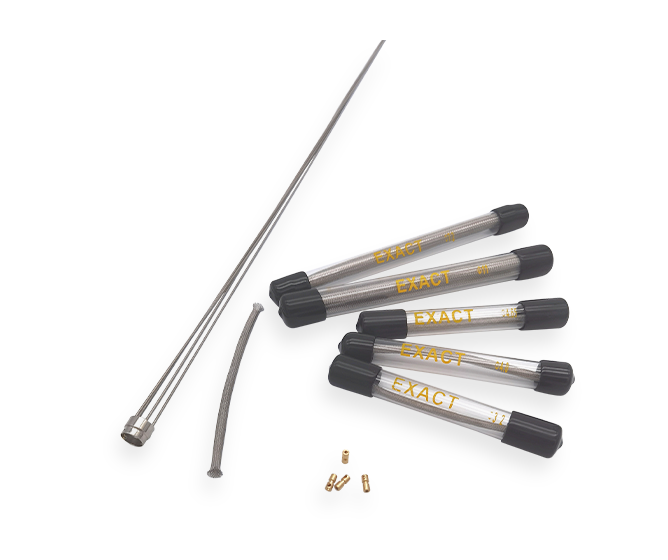
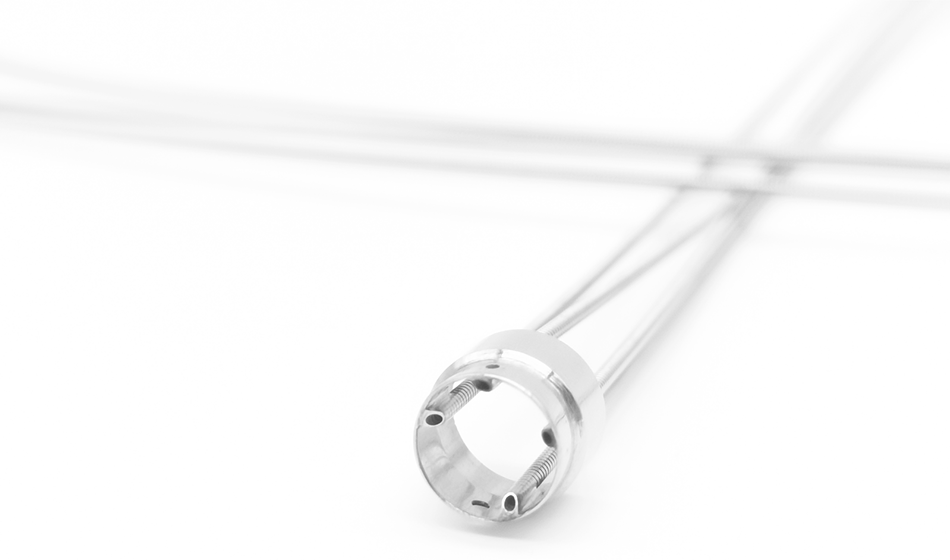
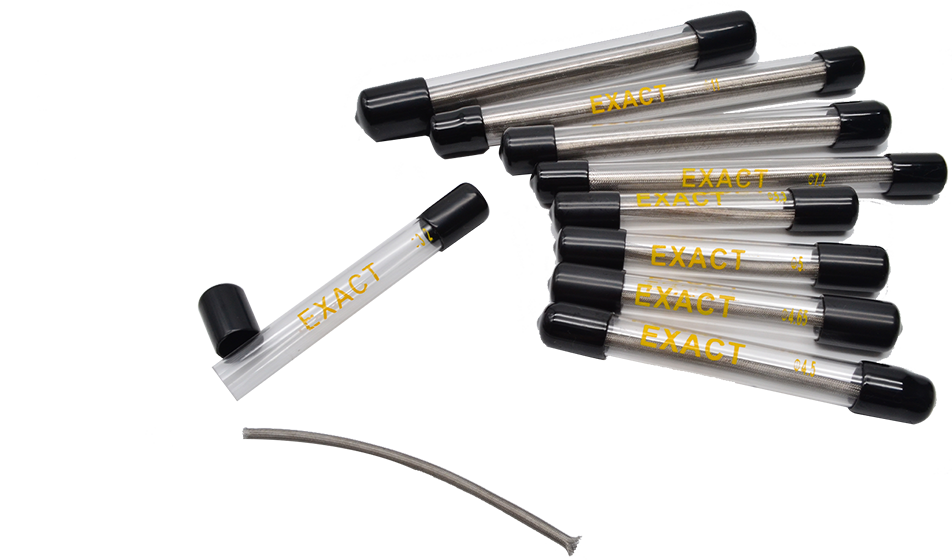
The Lifeline of Spare Parts: To maintain fast turnaround times, US repair facilities require a continuous, reliable flow of high-quality spare parts. Having immediate access to premium insertion tubes, bending sections, and angulation wires allows technicians to perform major overhauls without waiting weeks for overseas shipments.
Regulatory Scrutiny and Future Outlook
The US market is strictly regulated by the FDA, which maintains rigorous guidelines on the reprocessing and remanufacturing of medical devices. As infection control remains a top priority, the materials used in endoscope repairs must be proven to withstand harsh, repeated high-level disinfection (HLD) cycles.
Moving forward, the US Endoscope service market will likely see further consolidation, with larger ISOs acquiring smaller regional shops. Throughout this evolution, the repair facilities that secure robust supply chains with elite component manufacturers will be the ones that dominate the market, offering hospitals the perfect balance of cost-savings and uncompromising patient safety.