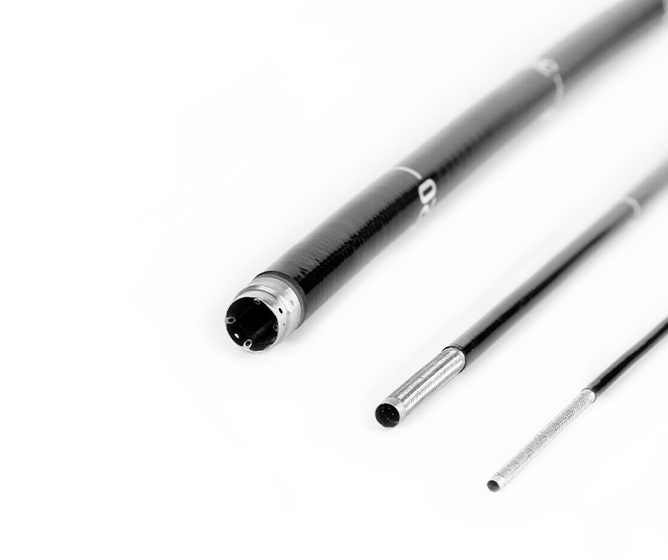
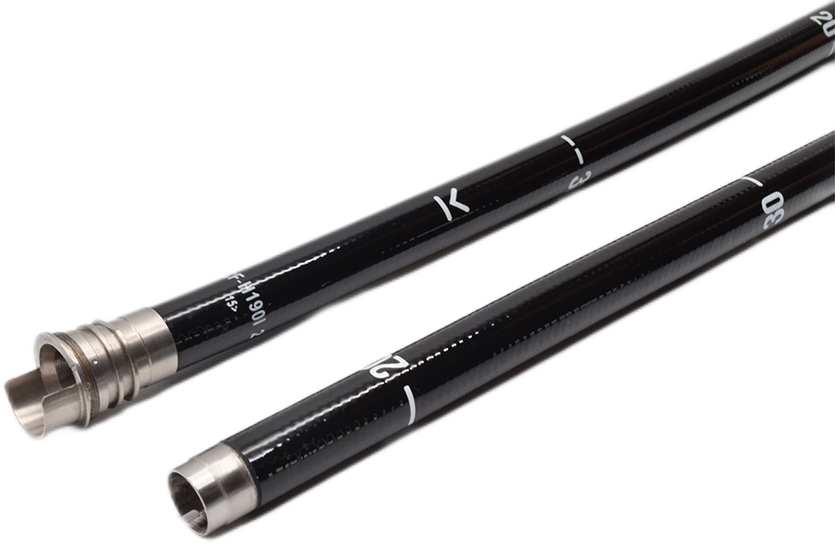
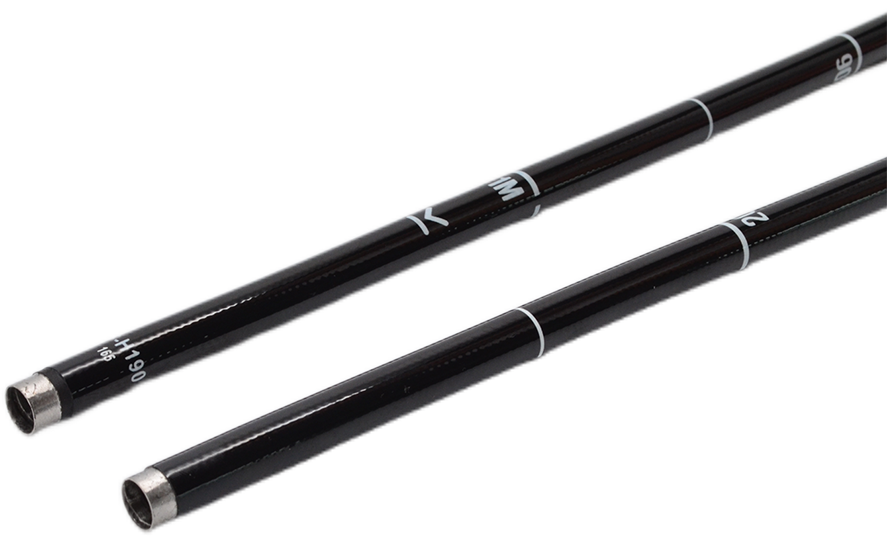
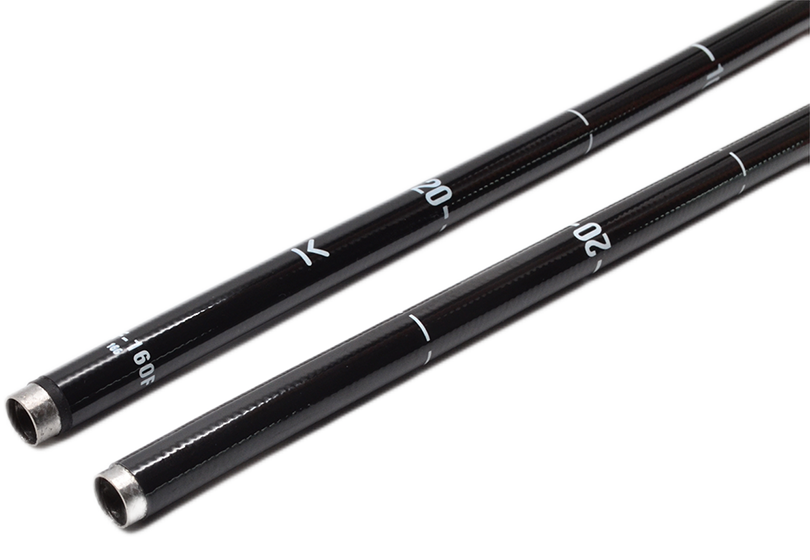
The global medical imaging and diagnostics landscape is undergoing a rapid transformation, with the endoscope sector at the forefront of this evolution. Driven by an aging global population, the rising prevalence of gastrointestinal and respiratory diseases, and a universal clinical shift toward minimally invasive surgeries, the demand for advanced endoscopic technologies has never been higher.
As we look toward 2025, the market is being shaped by intense competition between legacy giants and agile new innovators. Here is a comprehensive overview of the key players and the major trends defining the future of endoscopy.
The Titans of the Industry: Established Leaders
For decades, the market has been heavily consolidated, dominated by a few technological powerhouses that set the standard for optical clarity and mechanical reliability.
Olympus: Holding the lion’s share of the global gastrointestinal (GI) endoscopy market, Olympus remains the undisputed heavyweight. Their strength lies in unparalleled optical engineering and advanced imaging technologies like NBI (Narrow Band Imaging). Moving into 2025, Olympus is heavily investing in AI integration and intelligent CADe/CADx (Computer-Aided Detection/Diagnosis) systems.
Fujifilm: Leveraging its deep historical expertise in photographic optics, Fujifilm has aggressively expanded its medical footprint. They are known for their ELUXEO systems and LCI/BLI (Linked Color Imaging/Blue Light Imaging) technologies, which provide exceptional tissue characterization.
Karl Storz: While Olympus dominates flexible GI scopes, Germany-based Karl Storz is the undisputed pioneer and global leader in rigid endoscopy. They dominate urology, gynecology, and ENT (Ear, Nose, and Throat) markets, continually pushing the boundaries of 4K and 3D rigid visualization for operating rooms.
Pentax Medical (HOYA Corporation): Pentax occupies a strong position by offering cost-effective, high-definition endoscopes without compromising on clinical quality. They have recently focused heavily on hygiene and infection control, innovating with disposable elevator caps and enhanced ergonomic designs.
The Emerging Innovators: Disrupting the Status Quo
While the legacy brands hold significant market share, the unique demands of modern healthcare have opened the door for innovative challengers.
Ambu: This Danish company has revolutionized the market by championing the single-use (disposable) endoscope. As cross-contamination concerns grow, Ambu has become a leading manufacturer of single-use bronchoscopes, rhinolaryngoscopes, and duodenoscopes, aggressively challenging the traditional reusable model.
CapsoVision: A pioneer in capsule endoscopy, CapsoVision offers wire-free, 360-degree panoramic imaging of the small bowel. Their innovations provide a non-invasive alternative to traditional scoping, significantly improving patient comfort.
SonoScape & Mindray: Emerging strongly from the Asian market, these companies are no longer just budget alternatives; they are becoming formidable global competitors. By offering premium features like HD imaging and variable stiffness tubes at highly competitive price points, they are rapidly gaining traction in emerging markets and cost-conscious Western healthcare systems.
Key Market Trends Shaping 2025
As healthcare systems rebuild and optimize their supply chains, several overarching trends will dictate the trajectory of the endoscope market in 2025:
1. The Rise of Single-Use and Hybrid EndoscopesInfection control remains a critical priority. The FDA's continued scrutiny over the reprocessing of complex reusable scopes (like duodenoscopes) is accelerating the adoption of single-use components. By 2025, expect to see a surge in "hybrid" systems—reusable control bodies paired with sterile, single-use insertion tubes or disposable distal tips.
2. Artificial Intelligence (AI) as a Standard FeatureHardware alone is no longer the primary differentiator. Every major manufacturer is currently racing to integrate AI directly into their video processors. In 2025, real-time AI algorithms that automatically highlight precancerous polyps or abnormal mucosal patterns will transition from being premium add-ons to standard, expected features in every endoscopy suite.
3. Miniaturization and Robotic IntegrationThe push for less traumatic surgeries is driving the miniaturization of endoscopic sensors (CMOS). Furthermore, flexible endoscopes are increasingly being integrated into robotic-assisted surgical platforms (such as the Intuitive Ion or J&J Monarch). This requires hyper-precise articulation and highly durable internal components to translate robotic inputs into exact movements deep within the lungs or GI tract.