High-Performance Surgical Robot Tubing Parts Manufacturing: A Complete Guide
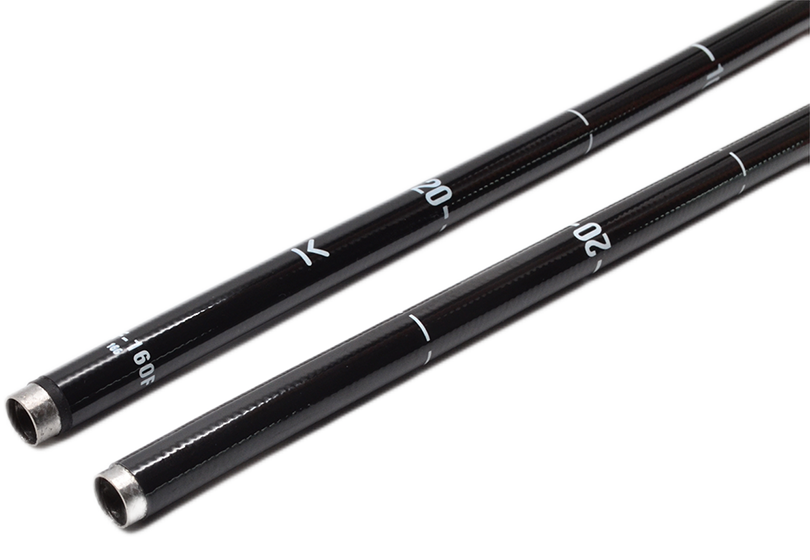
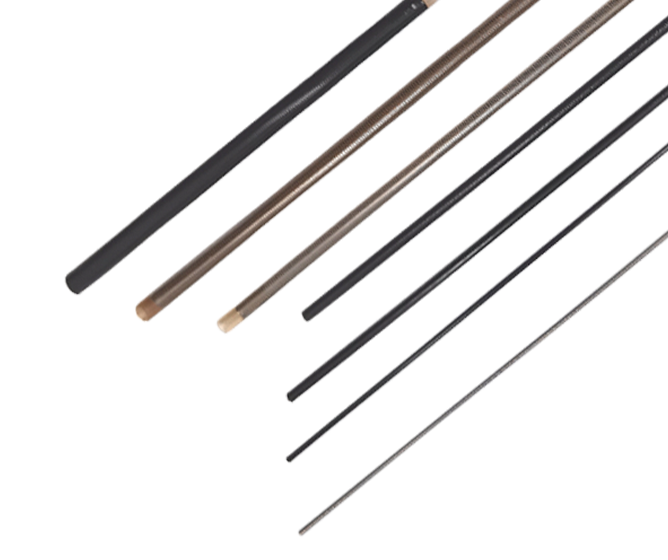
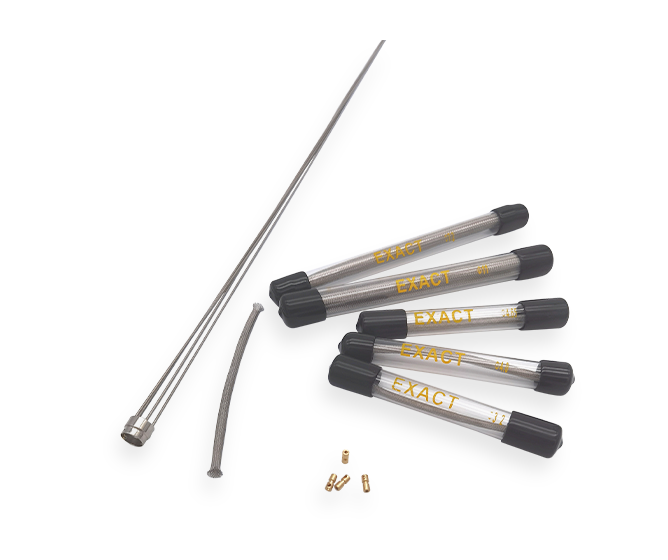
The rapid growth of robotic-assisted surgery has completely changed the landscape of medical device design. At the heart of these advanced systems is highly specialized medical tubing. From navigating narrow pathways in the lungs to controlling precise movements in the digestive tract, the demand for reliable surgical robot tubing parts has never been higher.
For medical device OEMs, choosing the right medical tubing manufacturer is critical to the success and safety of these complex machines.
The Backbone of Robotic-Assisted Surgery Catheters
Surgical robots require a level of precision that standard catheter tubing simply cannot provide. The tubes acting as the "arms" and "nerves" of these robots must handle complex mechanical tasks while remaining safe for the patient.
Here are the most common tubing components used in robotic systems:
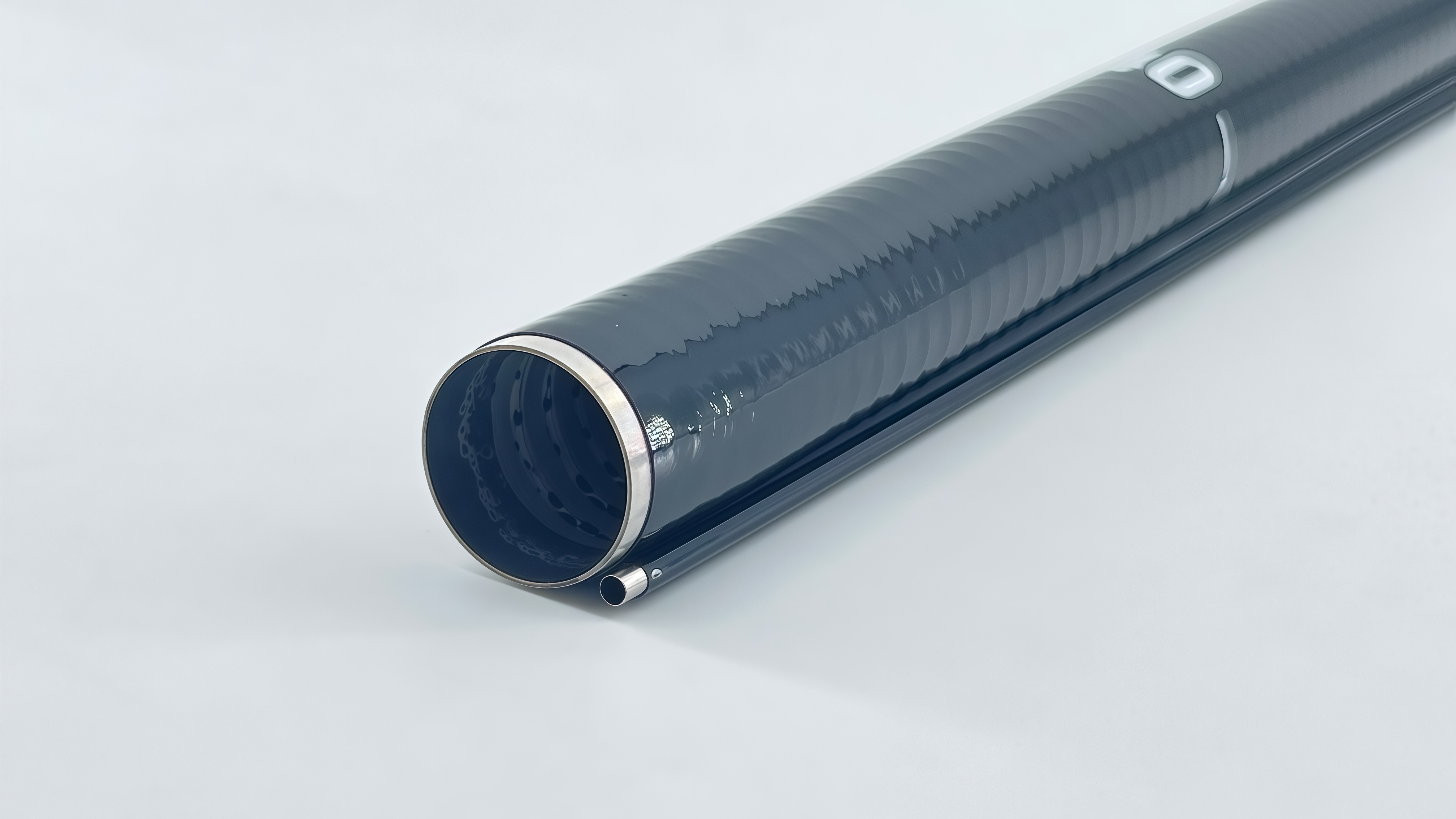
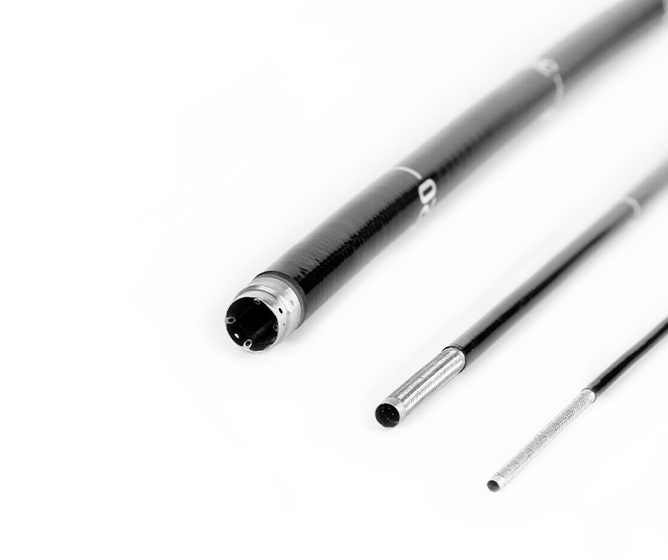
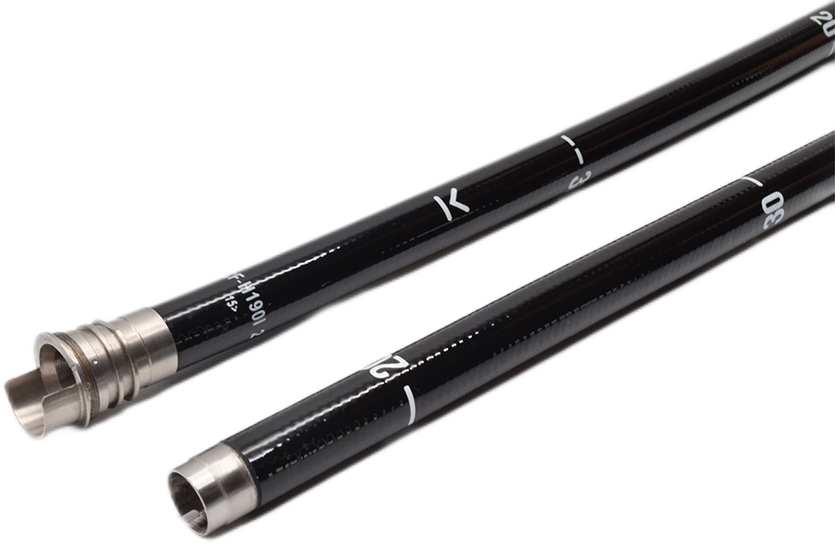
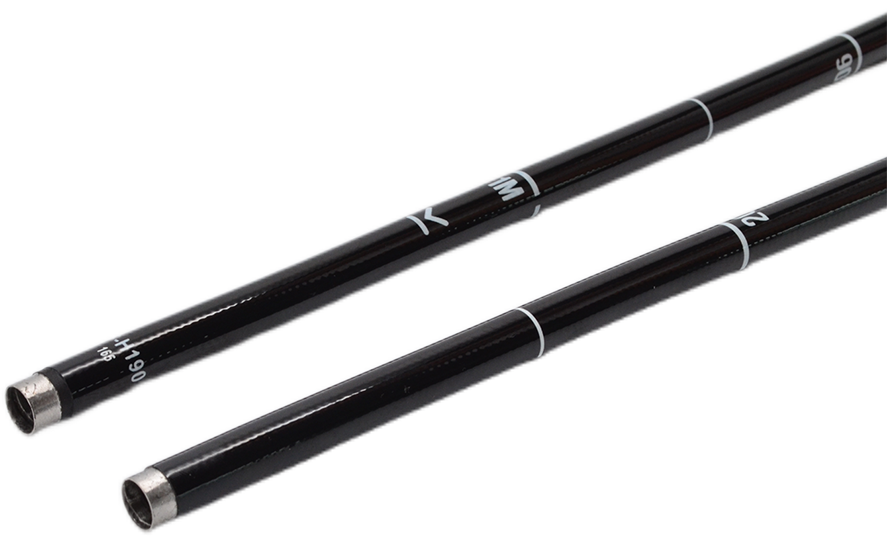
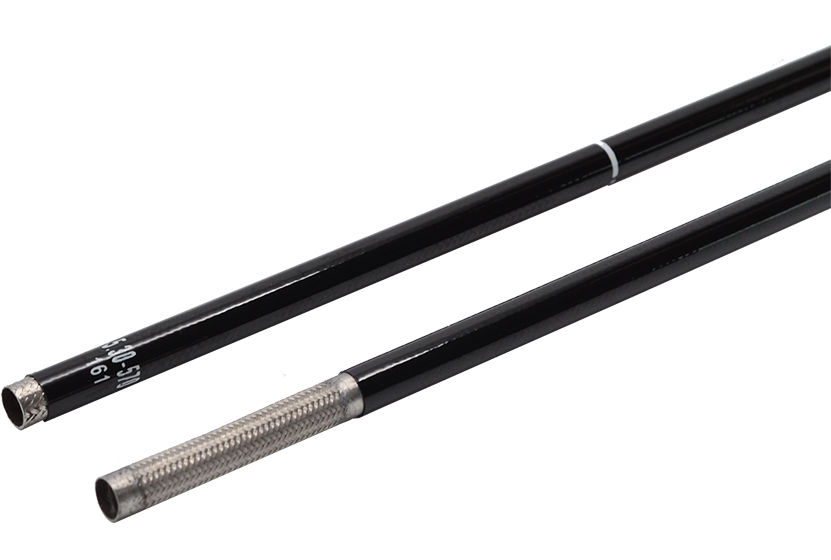
Flexible Endoscope Insertion Tubes: These serve as the main outer channel. They protect sensitive internal wires while remaining flexible enough to navigate the human body safely.
Multi-Lumen Medical Tubing: A single extrusion with multiple separate channels inside. These are used to run light fibers, camera wires, flushing fluids, and surgical tools all through one compact space.
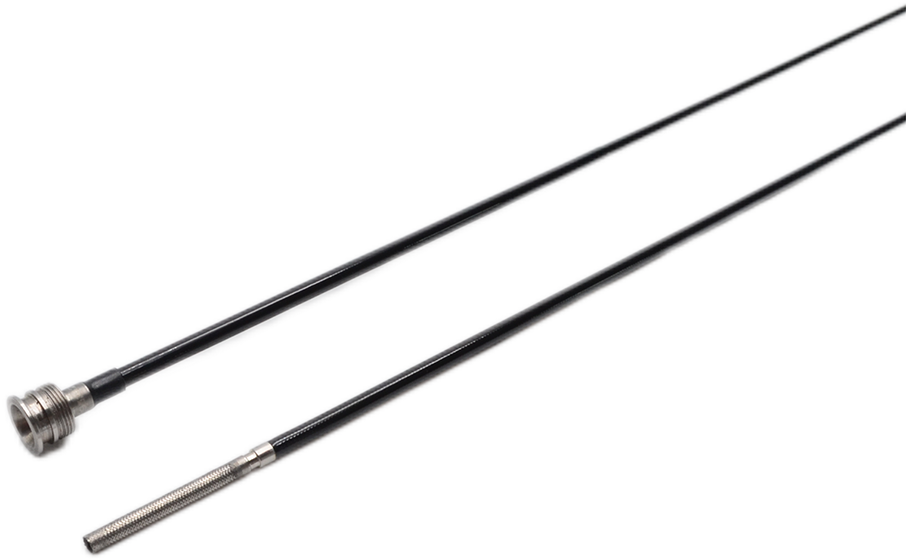
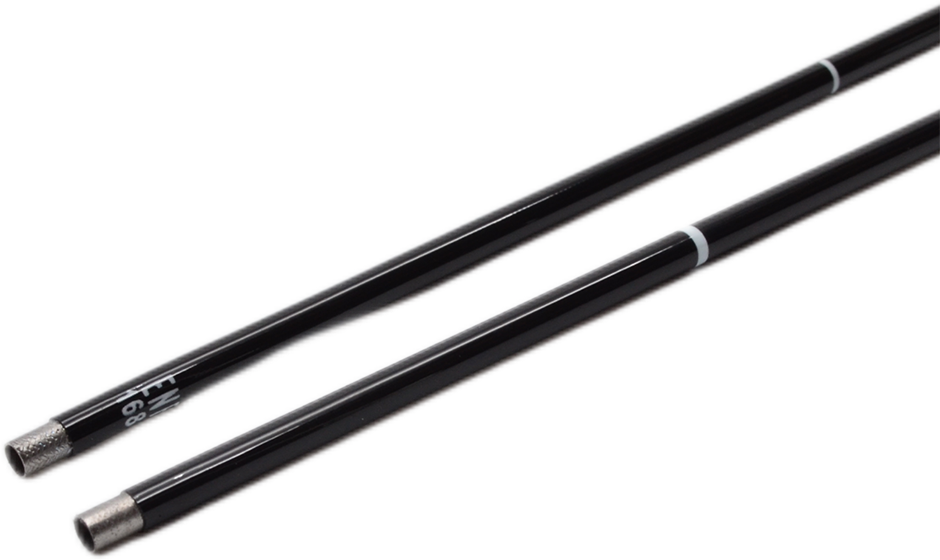
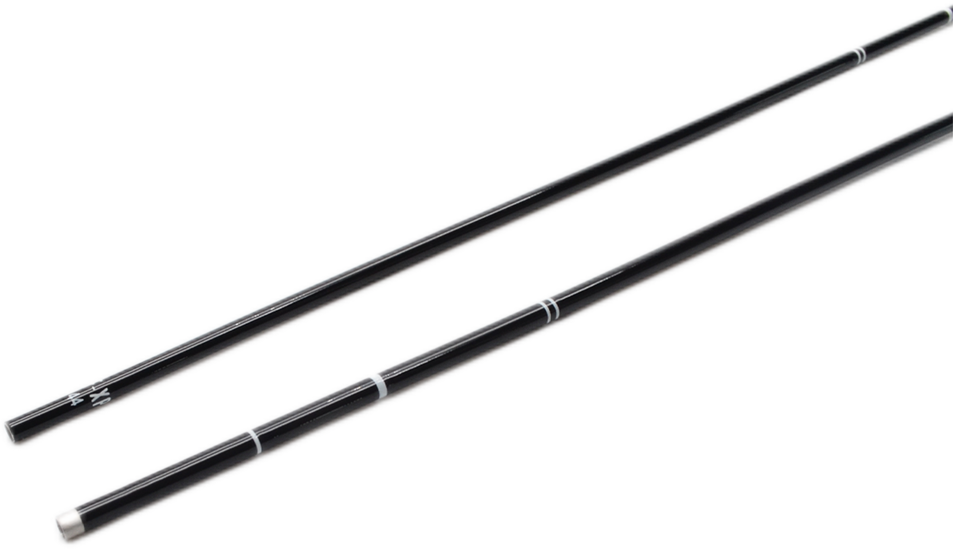
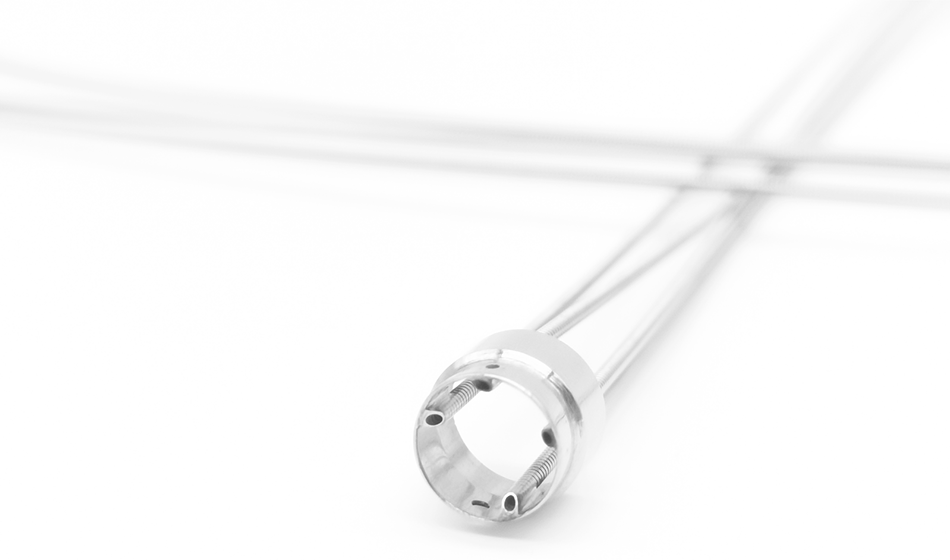
Steerable Catheter Shafts: These reinforced tubes allow the surgeon's hand movements at the console to translate into exact, 1-to-1 rotational movements inside the patient.
Advanced Materials for Medical Extrusion
The performance of surgical tubing relies entirely on the raw materials used. An experienced OEM medical tubing supplier will typically utilize a combination of the following advanced polymers and metals:
PTFE Lined Tubing: Polytetrafluoroethylene (PTFE) offers the lowest friction coefficient available. It is heavily used as the inner lining for tool channels, ensuring that surgical instruments slide in and out smoothly.
PEEK Medical Tubing: Known for its high mechanical strength and heat resistance, PEEK is often used as a lightweight replacement for metal components in the robot's structure.
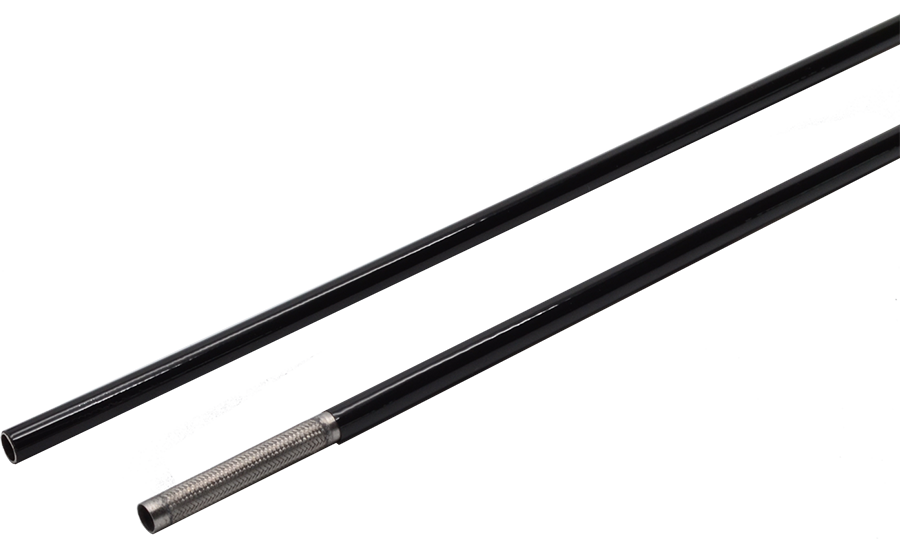
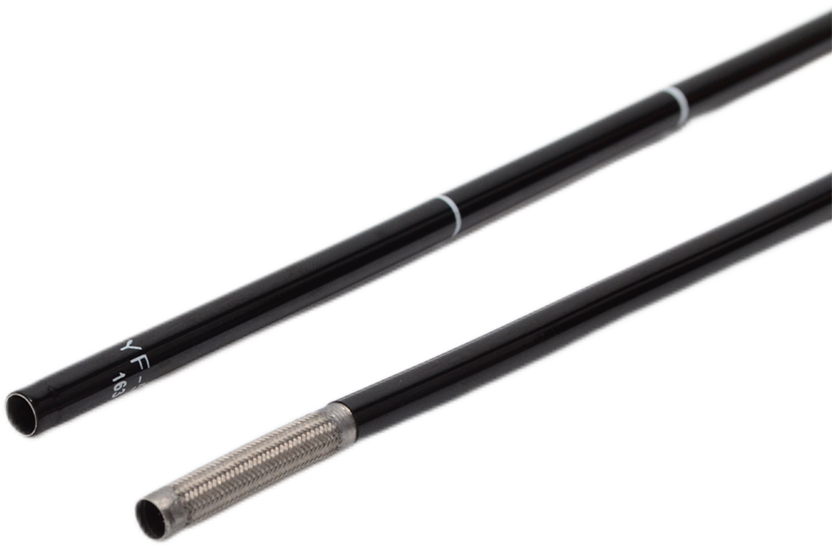
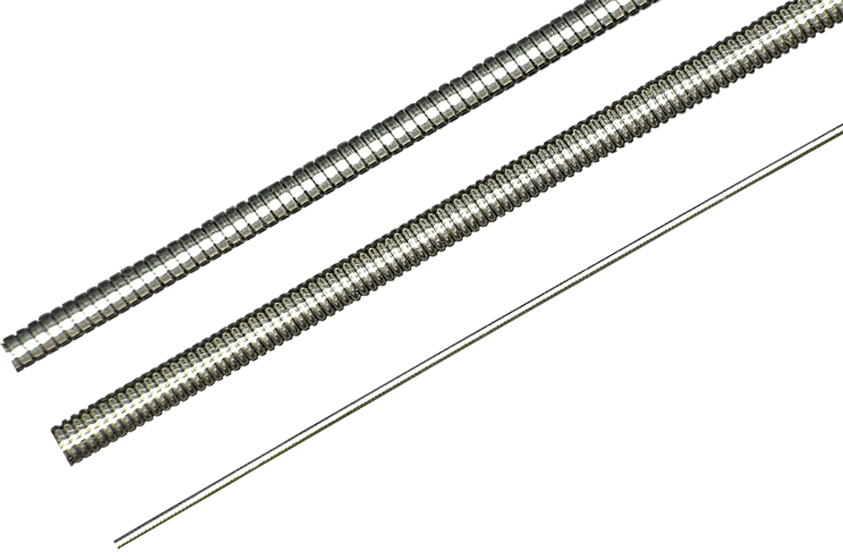
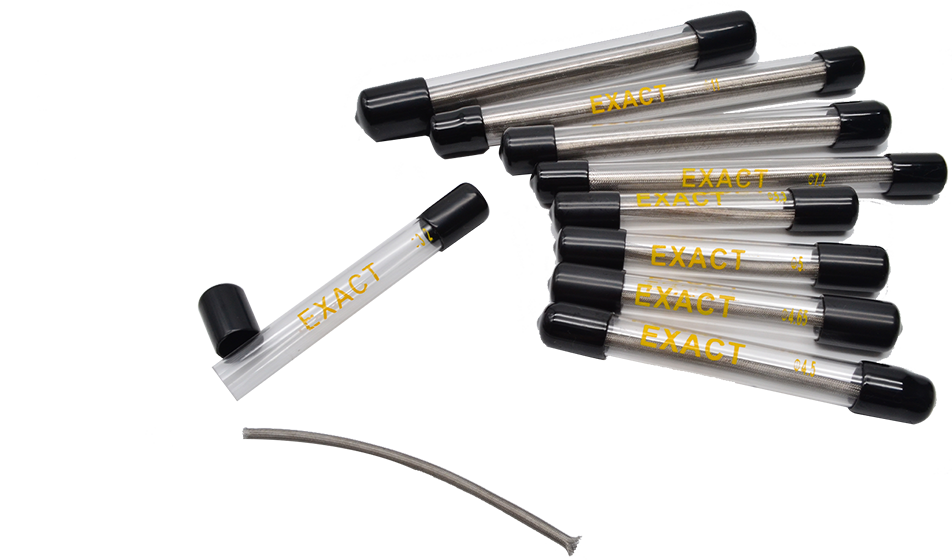
Nitinol Braided Tubing: To prevent the tube from kinking or crushing when the robot bends, a layer of shape-memory Nitinol wire or stainless steel is braided into the plastic wall. This provides high kink resistance and excellent torque control.
Precision Manufacturing Processes
Creating these complex components requires highly controlled manufacturing environments. A specialized medical extrusion CDMO (Contract Development and Manufacturing Organization) will utilize several advanced processes:
Precision Micro-Extrusion: This process creates tubes with incredibly thin walls and microscopic outer diameters, often required for neurological or cardiovascular robotic systems.
Medical Tube Braiding and Coiling: Engineers carefully control the pitch and density of the metal wire mesh embedded in the tube. This determines exactly how stiff or flexible the final catheter will be.
Catheter Thermal Bonding: This technique fuses different plastic materials together seamlessly. It allows a single tube to have a stiff base for pushing and a soft, flexible tip to prevent tissue damage.
Choosing an ISO 13485 Medical Tubing Supplier
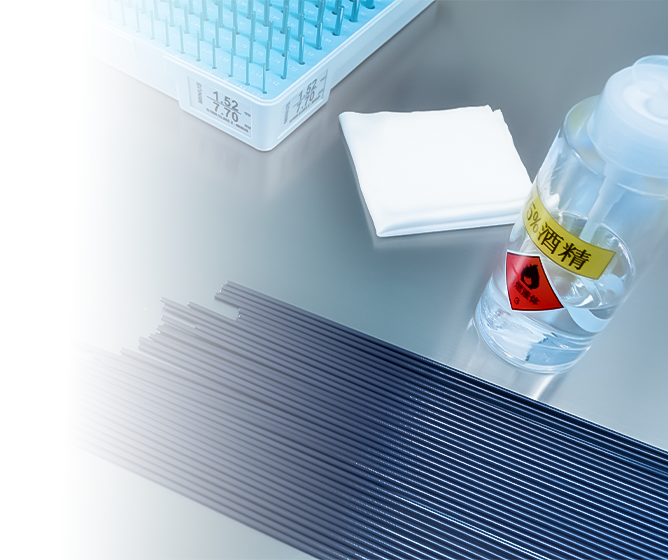
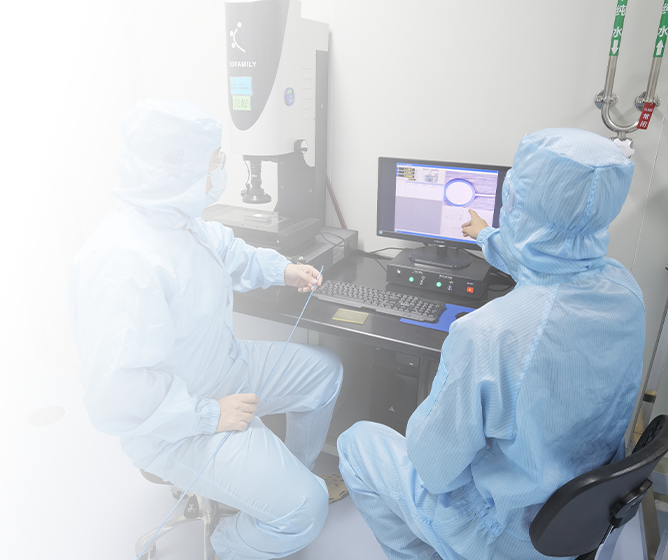
When scaling production for robotic systems, quality assurance is just as important as the design itself. Partnering with a certified ISO 13485 medical tubing supplier ensures that every batch of tubing meets strict global regulatory standards for medical devices. A qualified partner will provide full material traceability, cleanroom manufacturing, and tight dimensional tolerance control.
Whether you are developing a new flexible robotic platform or scaling up production on an existing model, investing in custom catheter manufacturing is a crucial step toward a safe and successful product launch.