The Anatomy of a Reliable Endoscope Repair: A Deep Dive into Essential Spare Parts
As the global medical device service market continues to expand, Independent Service Organizations (ISOs) and hospital biomedical engineering departments are taking on more complex equipment overhauls. At the heart of this industry is endoscope repair, a highly technical process where precision is non-negotiable.
A successful rebuild is never just about swapping out broken components; it is about restoring the delicate mechanical harmony of the instrument. The performance and longevity of a refurbished scope rely entirely on the engineering tolerance of the spare parts used. Let's explore the critical roles of four essential components during a major repair, the specific challenges technicians face, and the performance metrics that matter most.
1. Endoscope Insertion Tubes: The Frontline Interface
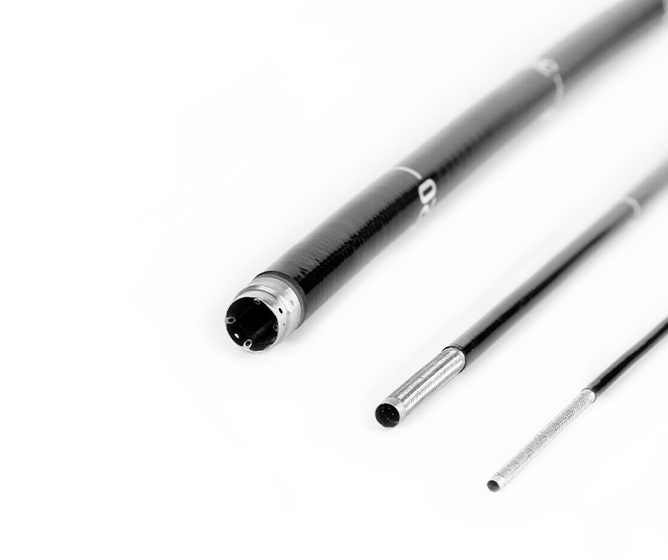
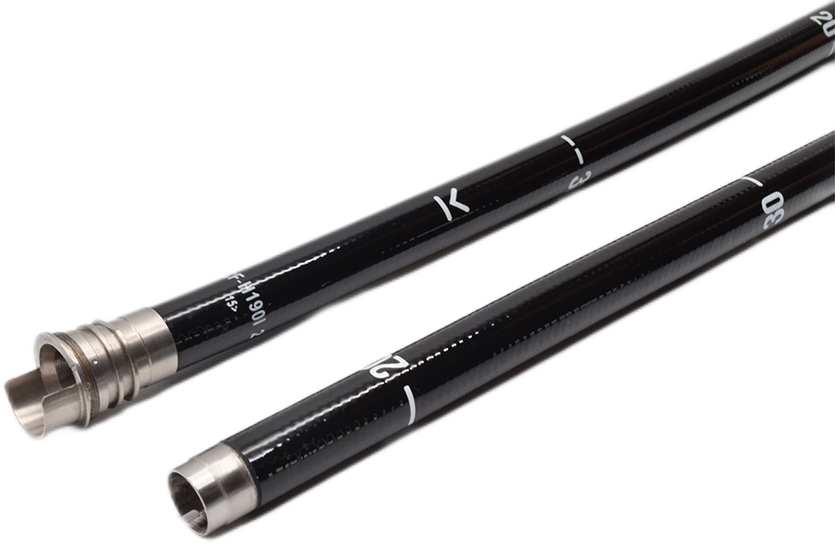
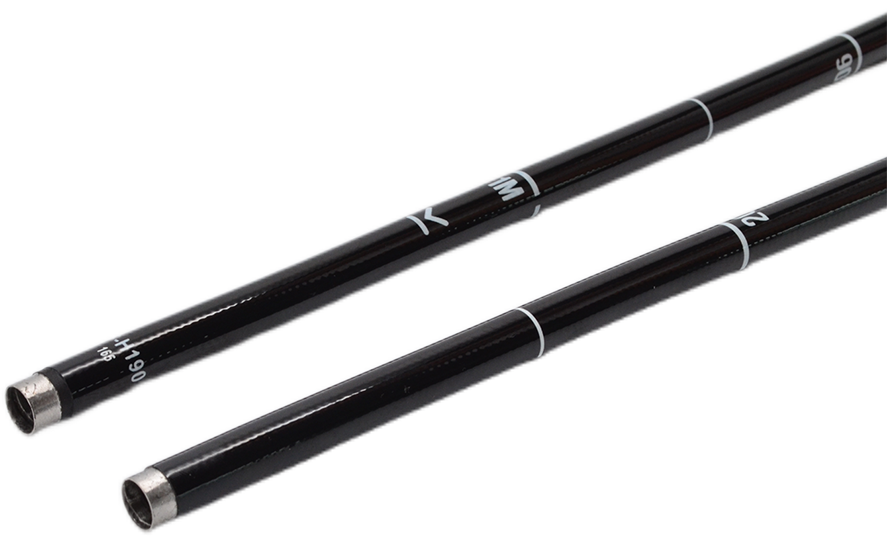
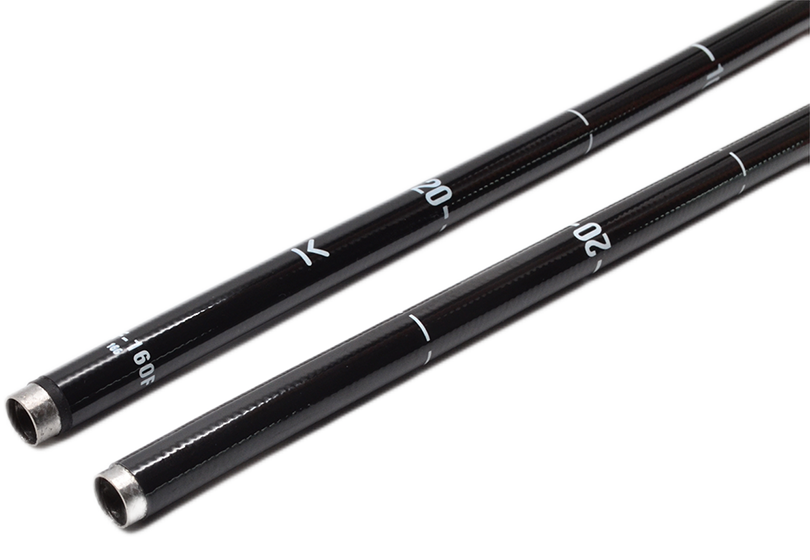
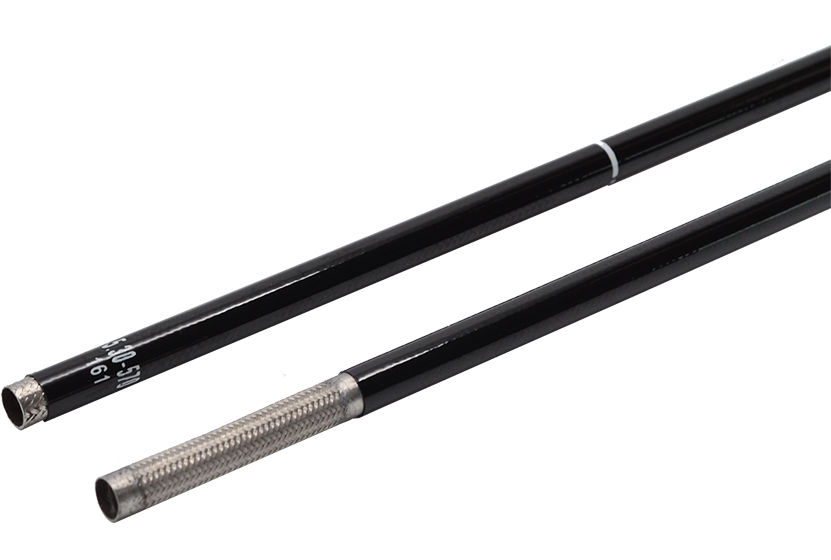
The endoscope insertion tube is the most exposed component of the device, navigating the patient's anatomy while housing a dense network of fragile internal systems. Because it is constantly subjected to bending, torque, and harsh chemical disinfection, it is a frequent candidate for replacement.
Role in the Scope: It acts as the protective outer barrier and the flexible navigational shaft that allows physicians to reach the target pathology.
Repair Considerations: When technicians replace an insertion tube, the primary challenge is ensuring proper component packing. The internal wires, channels, and fiber optics must be threaded precisely without being twisted or pinched, which could lead to premature internal friction.
Performance Metrics: A high-quality replacement tube must demonstrate a perfect stiffness gradient—rigid near the control body for pushability, and highly flexible at the distal tip for patient comfort and tight turns. Additionally, the outer polymer must possess exceptional chemical resistance to prevent the tube from becoming tacky or hardened after repeated high-level disinfection (HLD) cycles.
2. LG Tubes (Light Guide Tubes): The Vital Connector
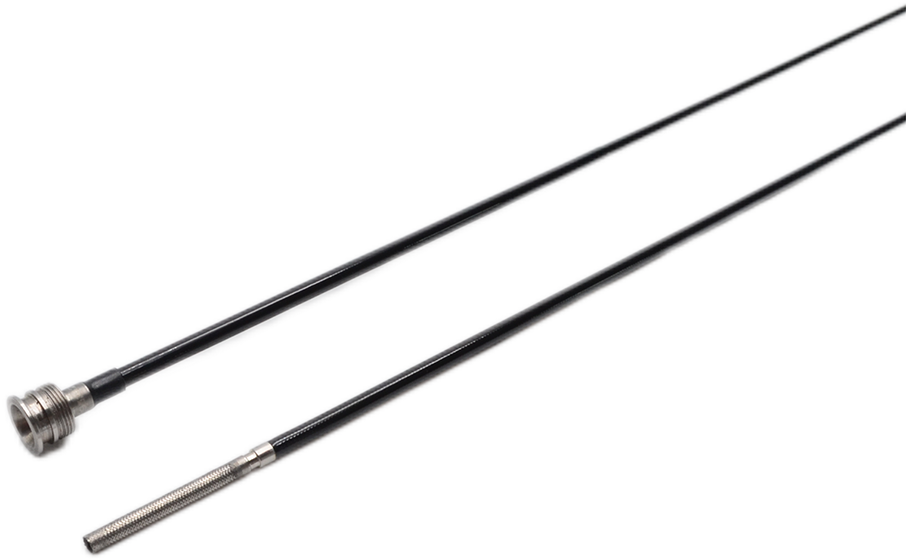
Connecting the control section to the light source and video processor, LG tubes (also known as universal cords) are the lifelines of the endoscope. They are frequently run over by carts, yanked from sockets, or crushed by bed rails.
Role in the Scope: They encase and protect the fragile fiber optic light guide bundles, suction/air/water lines, and critical electrical wiring connecting the CCD sensor to the processor.
Repair Considerations: Technicians must pay close attention to the stress relief boots at both ends of the LG tube during installation. If the connection is not perfectly sealed using medical-grade adhesives, the scope will fail the standard leak test, leading to catastrophic fluid invasion.
Performance Metrics: Superior LG tubes are evaluated on their crush resistance and tensile strength. The internal mesh and outer rubber must be resilient enough to protect the internal fibers from breaking under everyday clinical abuse while maintaining a watertight seal.
3. Biopsy Channels: The Working Pathway
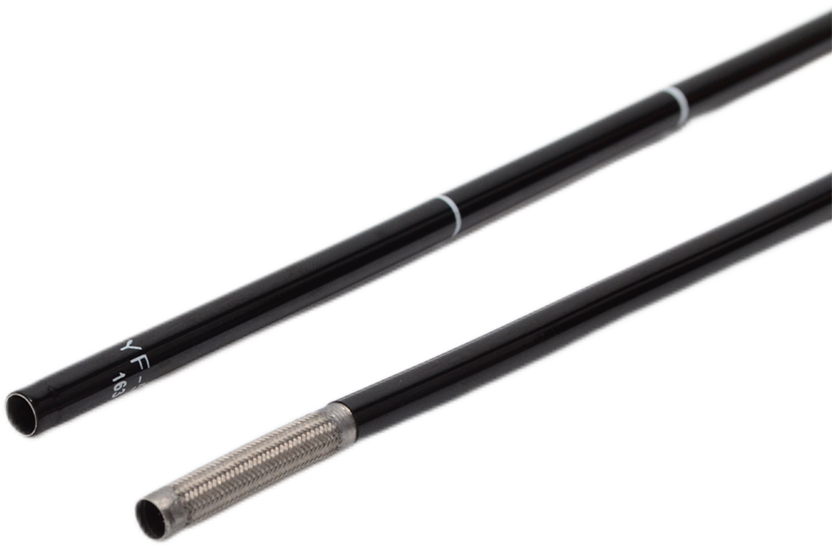
The instrument channel, or biopsy channel, is the tunnel through which doctors pass forceps, snares, and cleaning brushes. A damaged channel is a major biohazard and operational failure.
Role in the Scope: It provides a sealed, isolated conduit for surgical tools and fluid aspiration within the insertion tube.
Repair Considerations: Replacing a biopsy channel requires meticulous attention to the junction where the channel meets the control body and the distal tip. Any microscopic gap or rough edge created during thermal bonding or tying can result in channel kinking or create a trap for dangerous bacteria and biofilms.
Performance Metrics: The defining characteristic of an excellent biopsy channel is its surface lubricity (low friction). Typically made from extruded PTFE or similar polymers, the channel must allow metal instruments to glide through effortlessly, even when the scope is fully angulated (bent) in a tight retroflexion.
4. Coil Pipe Assemblies: The Skeletal Structure
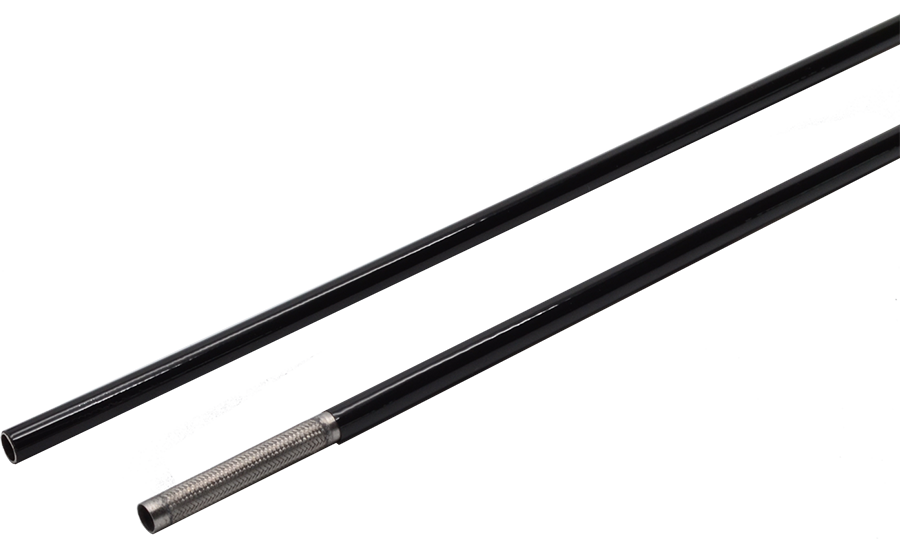
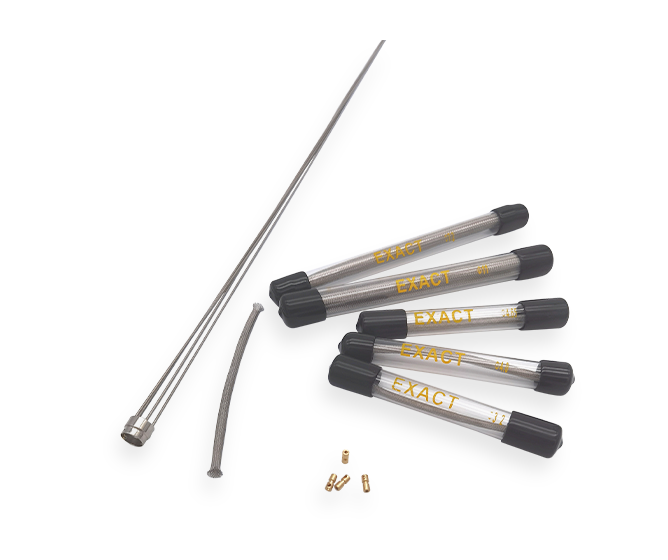
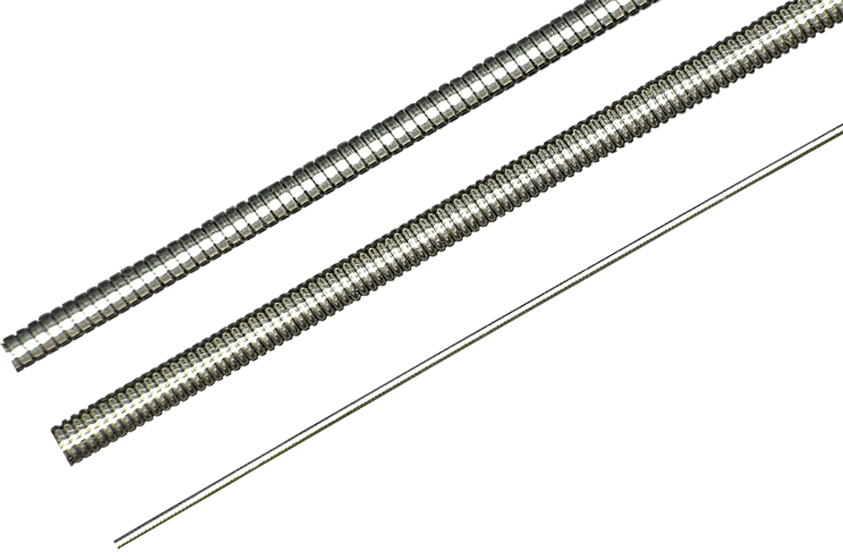
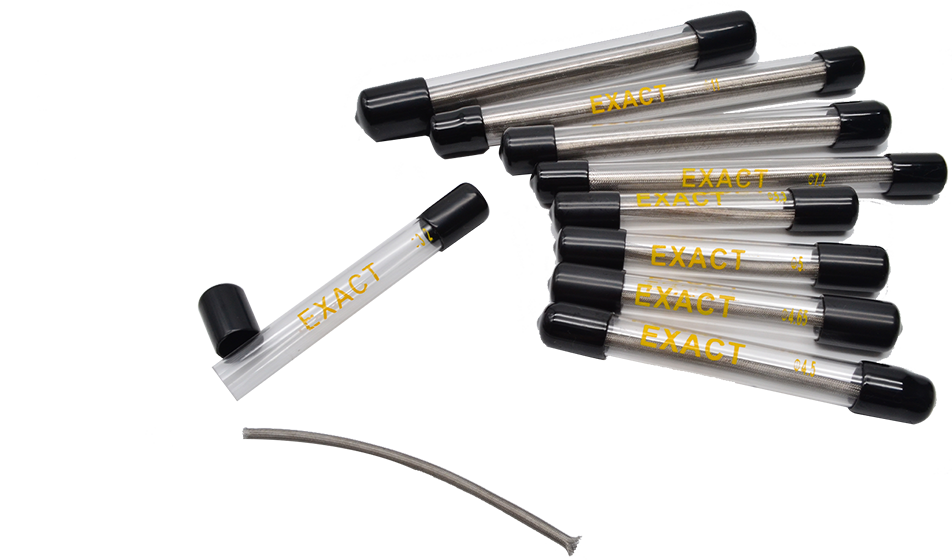
Hidden entirely beneath the outer layers of the insertion tube and bending section, coil pipe assemblies are the unsung heroes of scope maneuverability.
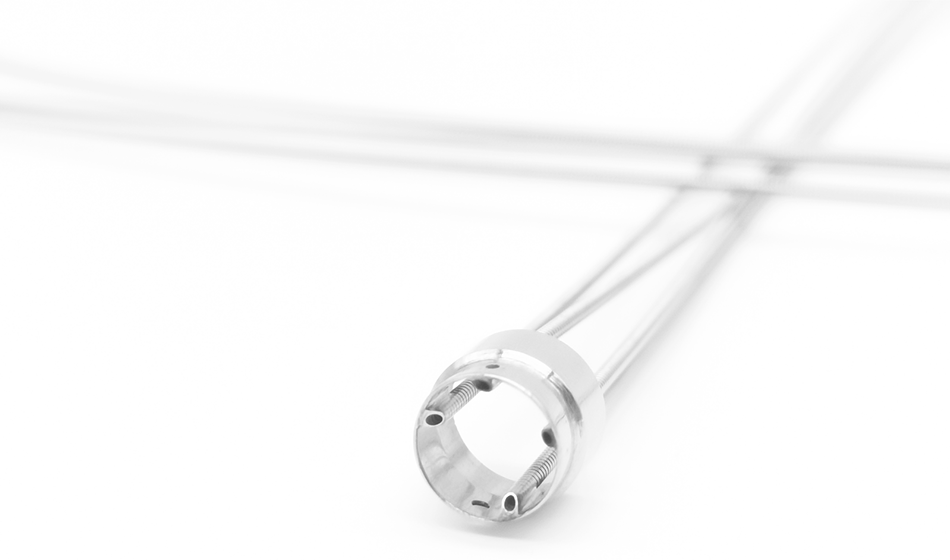
Role in the Scope: These tightly wound metal coils act as the guide paths for the fine angulation wires. They provide a structural backbone, preventing the wires from slicing into the internal components when the doctor turns the steering knobs.
Repair Considerations: Setting the correct tension on the angulation wires as they pass through the coil pipes is one of the most difficult skills in endoscope repair. If the coils are uneven or poorly manufactured, the technician will struggle to eliminate "play" (looseness) in the control knobs.
Performance Metrics: Precision is everything. High-performance coil pipes offer an incredibly smooth inner surface to minimize wire friction. This results in crisp, 1-to-1 articulation, meaning the distal tip responds instantly and accurately to the exact degree the physician turns the dial.
Conclusion
In the demanding service market, the difference between an average repair and a premium refurbishment lies in the details. By understanding the mechanical demands placed on endoscope insertion tubes, LG tubes, biopsy channels, and coil pipe assemblies, biomedical technicians can make informed decisions when evaluating third-party spare parts, ultimately ensuring that repaired scopes return to the field performing exactly as the original manufacturer intended.