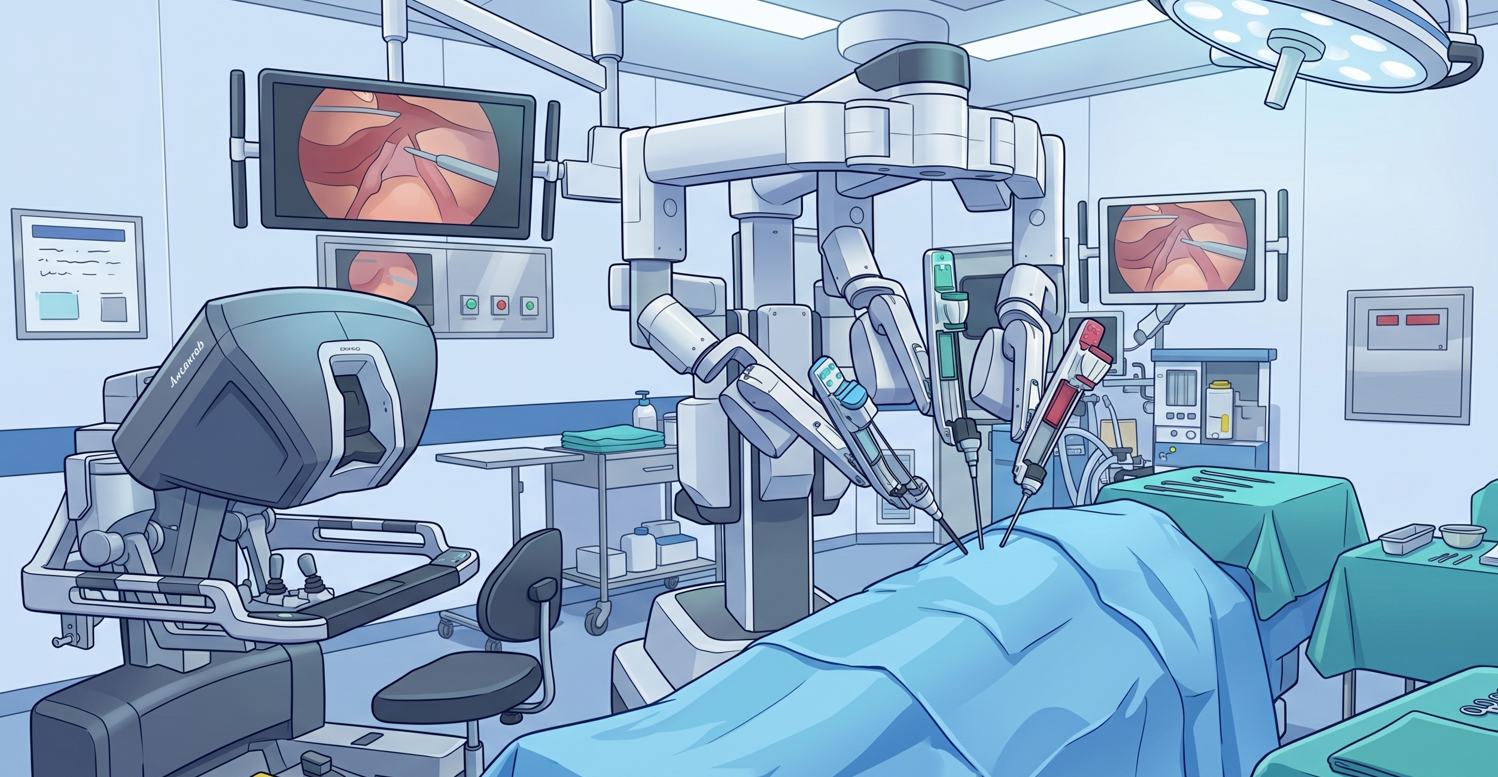
The global surgical robot market has entered a golden era of explosive growth and rapid technological iteration. Driven by the universal adoption of minimally invasive surgery (MIS), the industry landscape is experiencing a dramatic shift—transforming from a market dominated by a single titan into a highly competitive, diversified ecosystem.
Here is an in-depth analysis of the current market dynamics, the catalyst behind the surge of new innovators, and the highly complex supply chain of parts and components that makes this technology possible.
The Competitive Landscape: Established Titans vs. Agile Challengers
1. The Established LeadersFor years, the market has been heavily consolidated by pioneers with deep patent moats and massive global install bases:
Intuitive Surgical: With its iconic Da Vinci Surgical System, Intuitive has historically monopolized the soft-tissue robotics market (urology, gynecology, and general surgery).
Stryker: Dominating the orthopedic sector with its highly successful Mako SmartRobotics system for joint replacement.
Medtronic & Johnson & Johnson: Traditional medical device behemoths have aggressively entered the arena through heavy R&D and strategic acquisitions (e.g., Medtronic's Hugo system and J&J's Monarch and Ottava platforms) to challenge Intuitive's dominance.
2. The Emerging InnovatorsRecently, a new wave of highly innovative surgical robotics companies has emerged, targeting specific clinical pain points that legacy systems have overlooked:
CMR Surgical (UK): Their Versius system is celebrated for its modular, compact design, significantly lowering the financial barriers and physical space requirements for hospitals.
Vicarious Surgical (US): Combining virtual reality (VR) with biomimetic robotic arms, this company is pushing the boundaries of single-port laparoscopy.
MicroPort (China): With platforms like the Toumai multi-arm system, domestic supply chains are rising rapidly, offering high-performance, cost-effective alternatives tailored for emerging markets.
What is Driving the Surge of New Robotic Challengers?
The sudden influx of "new forces" in the surgical robotics sector is not a coincidence. It is fueled by a convergence of several critical industry drivers:
The Patent Cliff: The foundational patents filed by Intuitive Surgical in the late 1990s and early 2000s have recently begun to expire. This has removed the highest legal and technical barriers, allowing new companies to develop multi-arm laparoscopic robots.
Market Penetration and Cost Reduction: Legacy robots are massive and require multi-million-dollar capital investments, plus expensive proprietary consumables. New innovators are designing smaller, modular, and affordable systems designed to penetrate Tier-2 hospitals and Ambulatory Surgery Centers (ASCs).
Cross-Disciplinary Tech Maturity: Rapid advancements in machine vision, Artificial Intelligence (AI), 5G tele-surgery, and advanced materials have allowed startups to stand on the shoulders of giants. Innovations like haptic (force) feedback are now becoming a reality.
Venture Capital Influx: Medical automation is universally recognized as the future of healthcare. A massive influx of venture capital and healthcare-focused private equity has provided the financial runway necessary for startups to navigate rigorous FDA and CE regulatory pathways.
The Engineering Backbone: Core Parts and Components
A surgical robot is a symphony of tens of thousands of microscopic, high-precision components. To compete in this unforgiving sector, any medical device Manufacturer must achieve unparalleled engineering standards across several core categories:
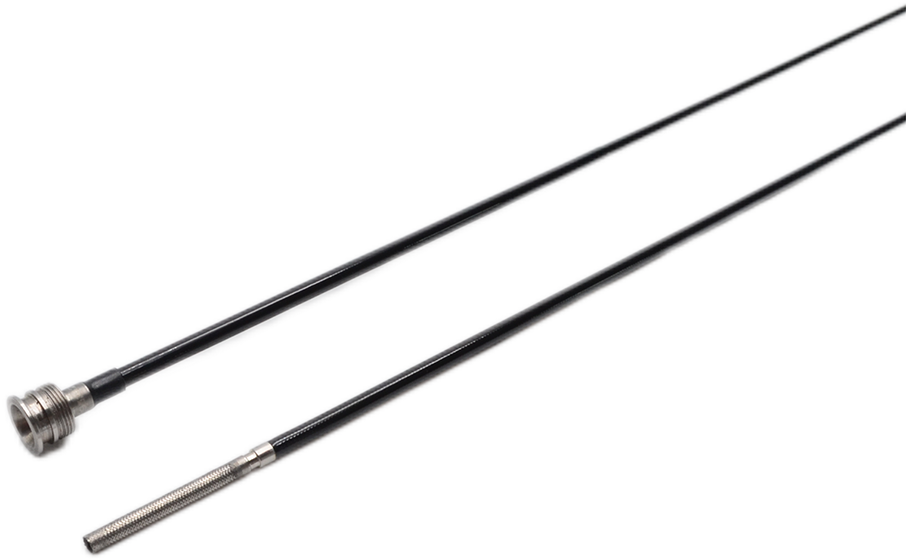
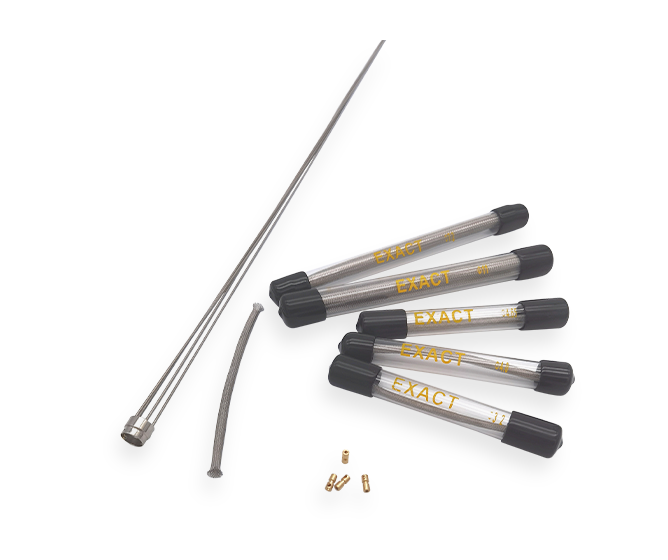
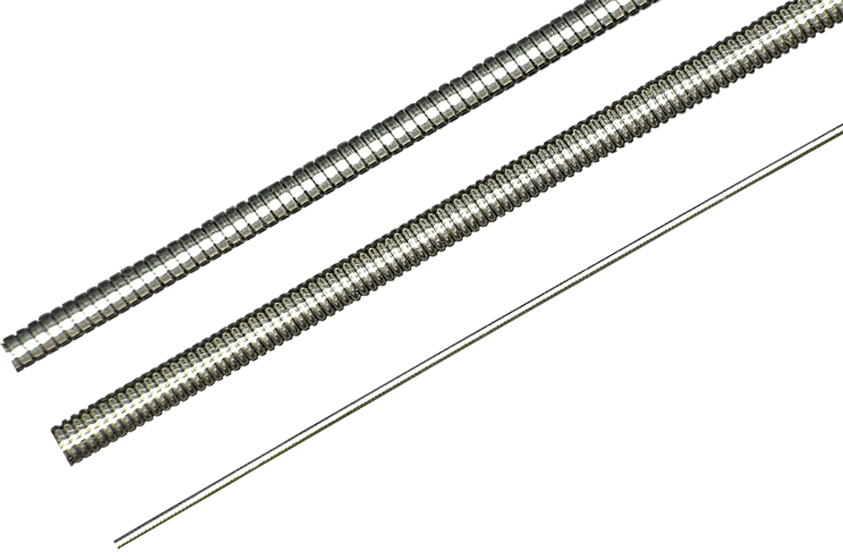
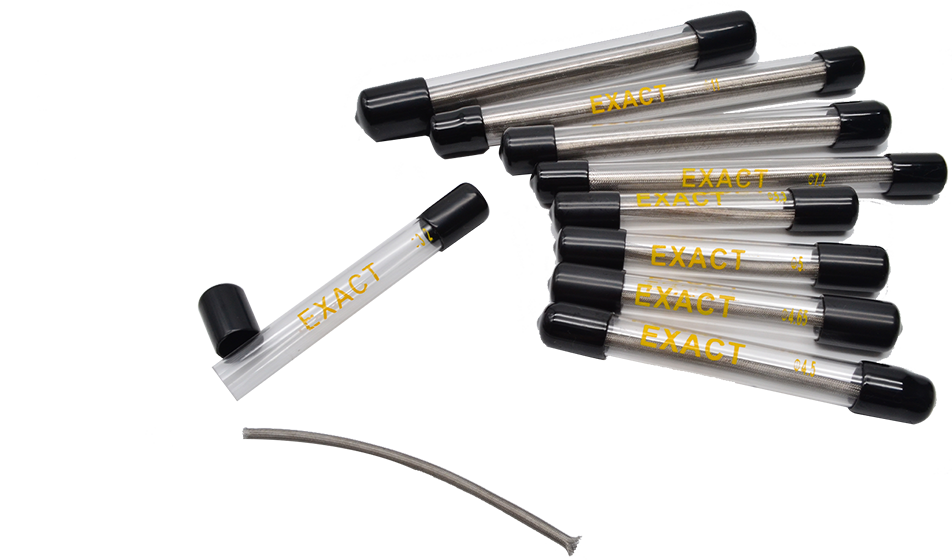
Precision Mechanical Parts: The physical architecture of the robotic arms relies on lightweight aerospace-grade alloys, micro-tungsten cables (for articulation), and miniaturized pulleys and gears. These parts dictate the kinematics, anti-fatigue properties, and absolute precision of the robot.
End-Effectors (Surgical Instruments): These are the critical tools that enter the human body, such as micro-forceps, ultrasonic scalpels, and cauterizing scissors. Because of strict infection control, these are often designed as limited-use or single-use sterile consumables.
Critical Electronic & Sensing Components:
Servo Motors & Reducers: Deliver smooth, latency-free articulation for the robotic arms.
Force/Torque Sensors: An advanced Component that translates physical tissue resistance back to the surgeon's console, providing vital haptic feedback.
3D HD Vision Systems: Utilizing advanced CMOS sensors, cold light sources, and ultra-compact lenses to provide a magnified, immersive stereoscopic view of the surgical field.
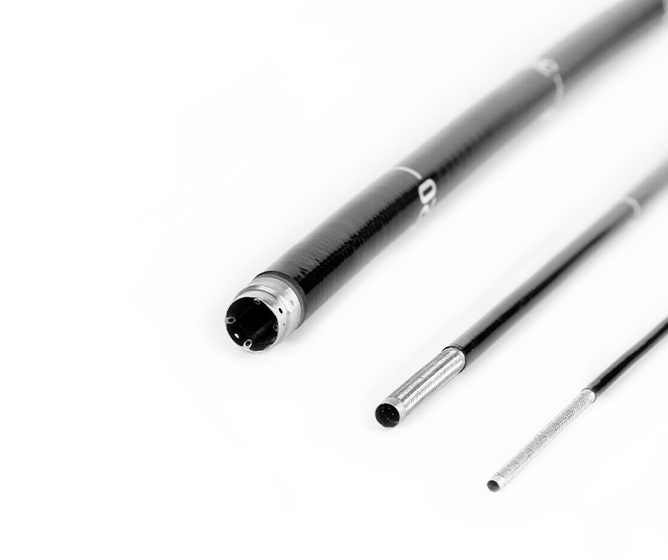
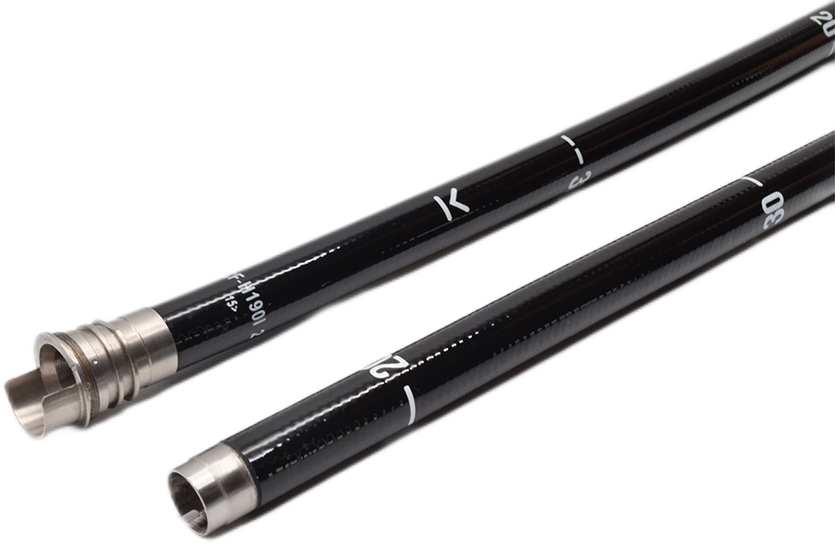
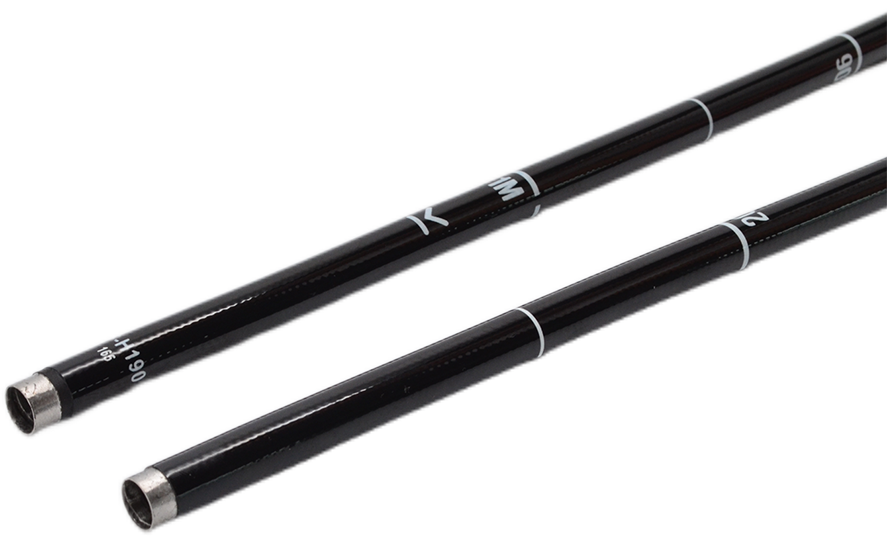
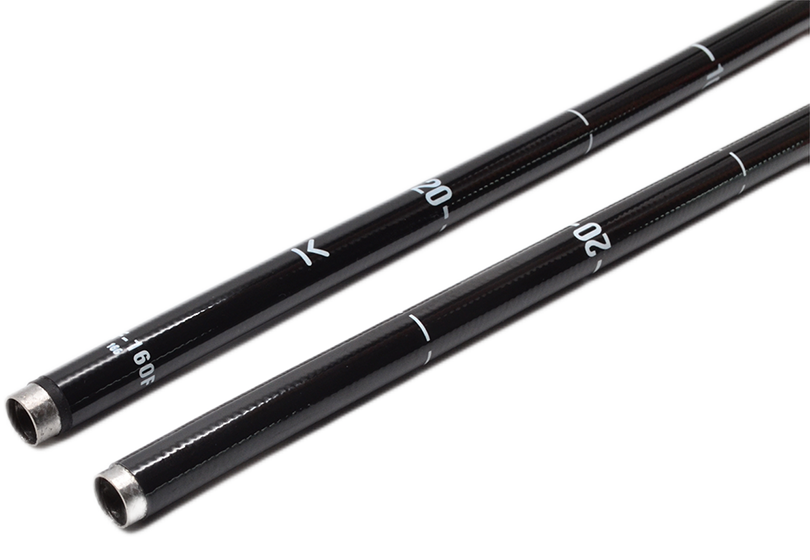
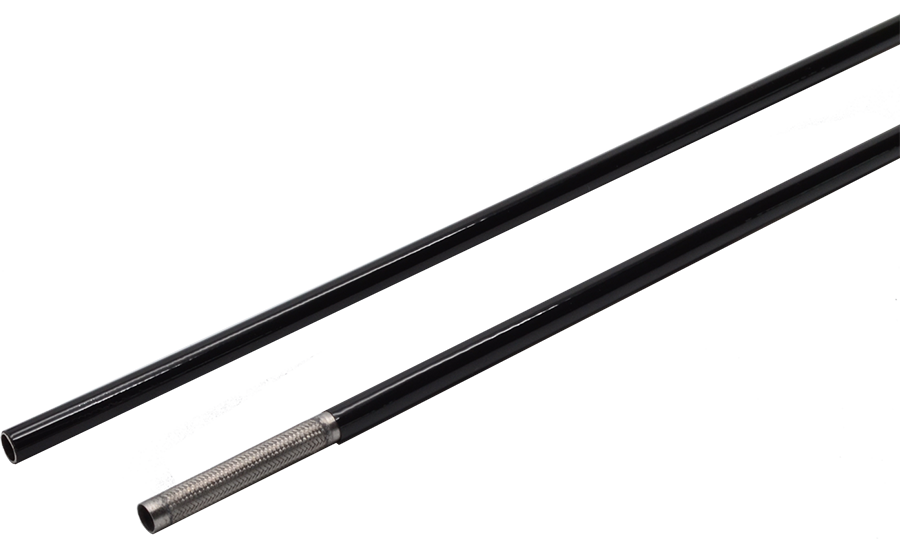
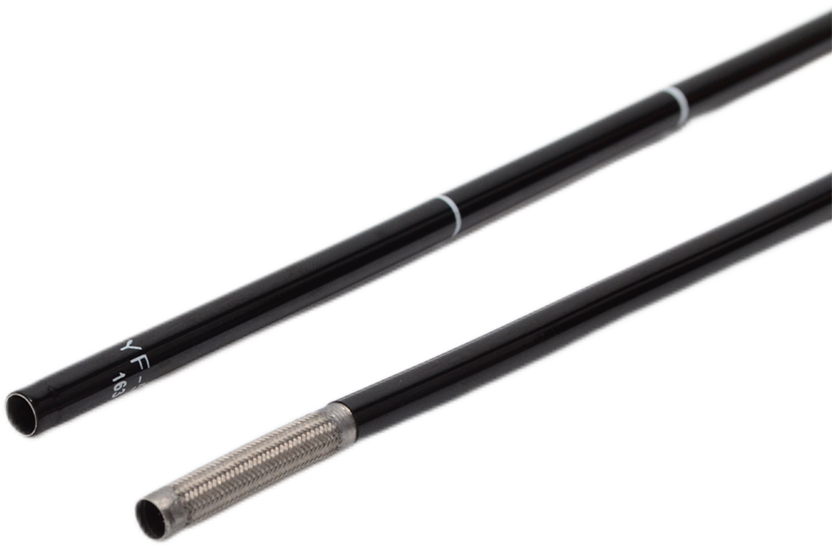
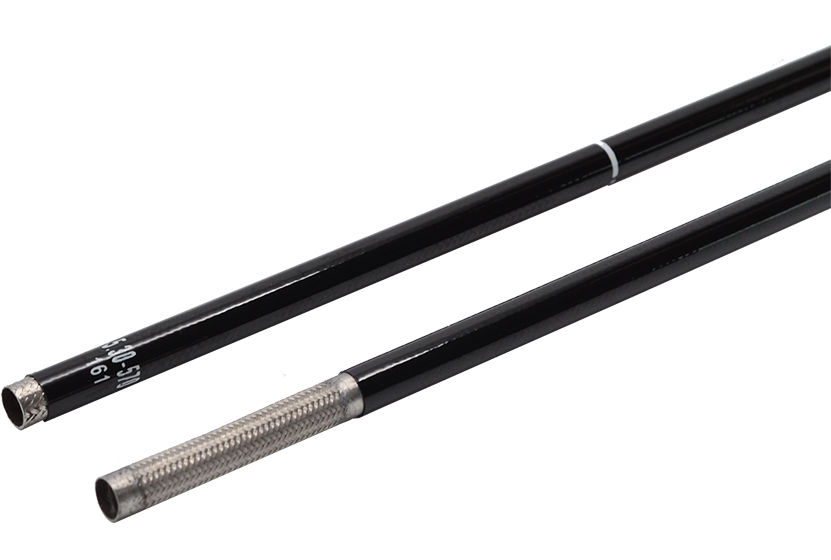
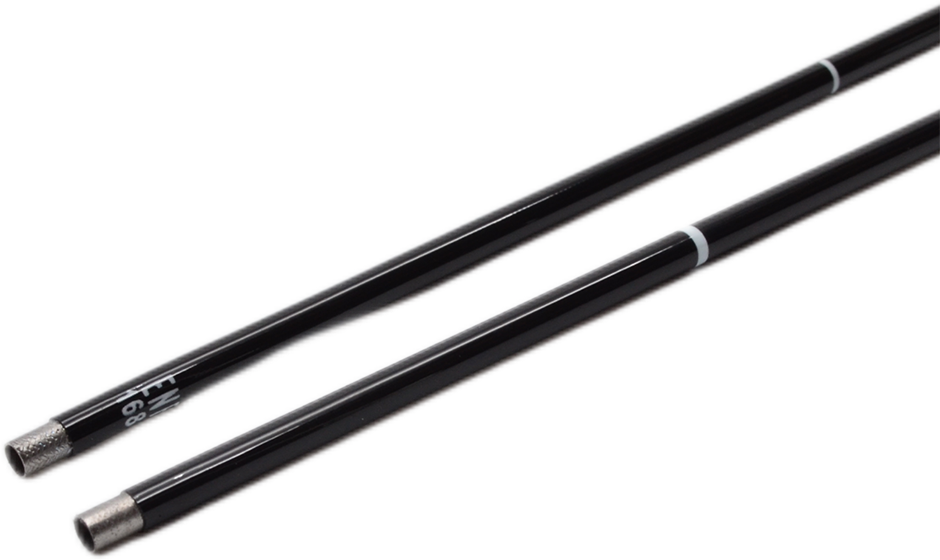
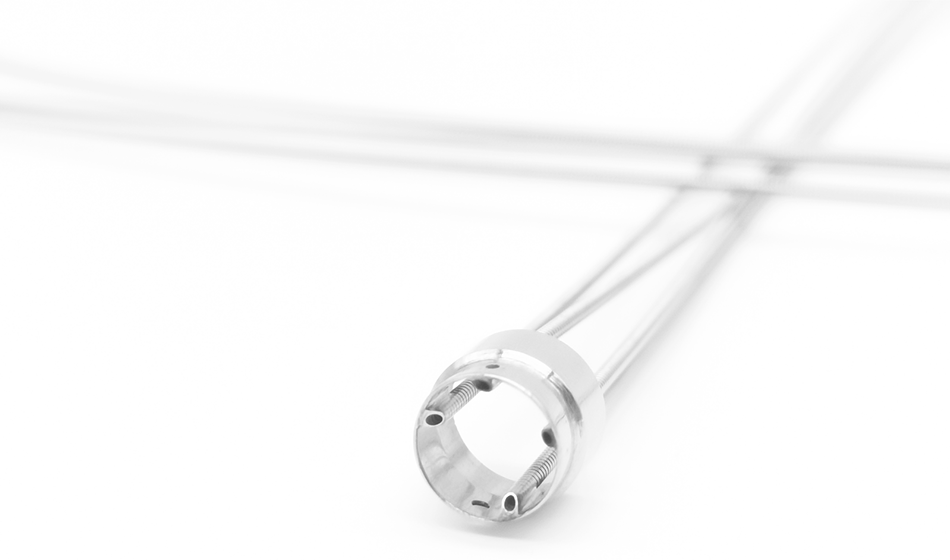
Tubing & Cabling Systems: Particularly crucial for flexible, natural-orifice robots (like bronchoscopy platforms), these systems require highly engineered multi-lumen extrusions and metal-braided catheter shafts to navigate tortuous human anatomy without kinking.
As the surgical robotics market continues to decentralize, the ultimate winners will not only be the companies with the best software but the ones that can secure a reliable, high-precision supply chain for these critical components.