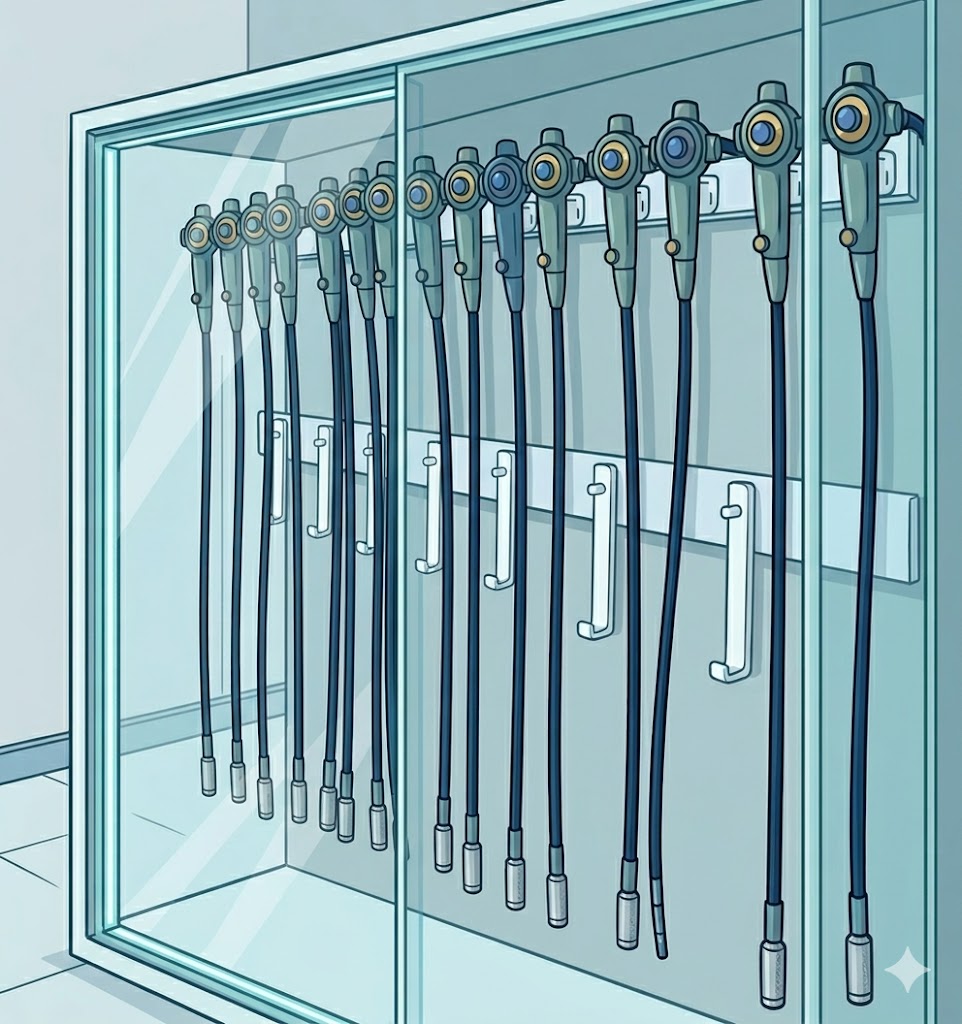
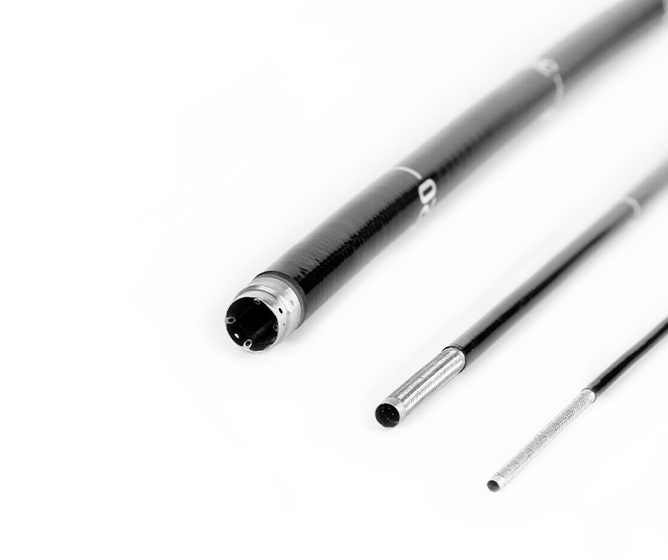
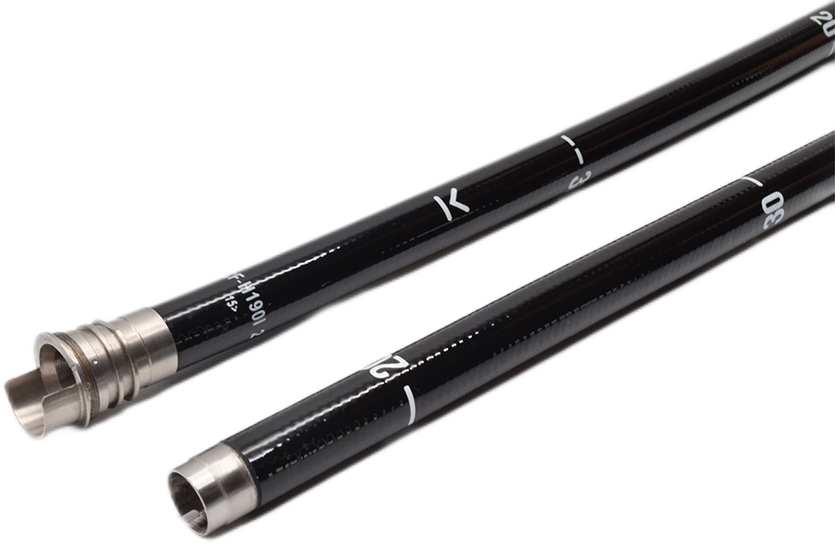
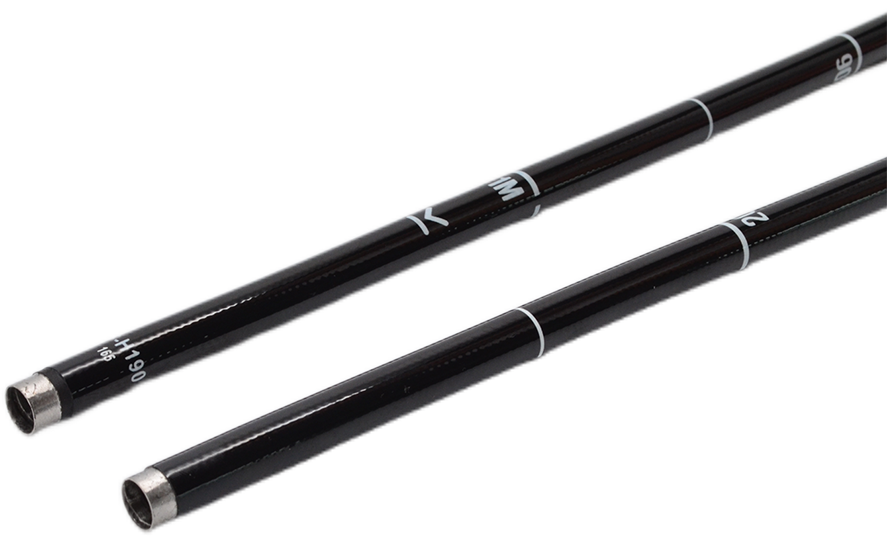
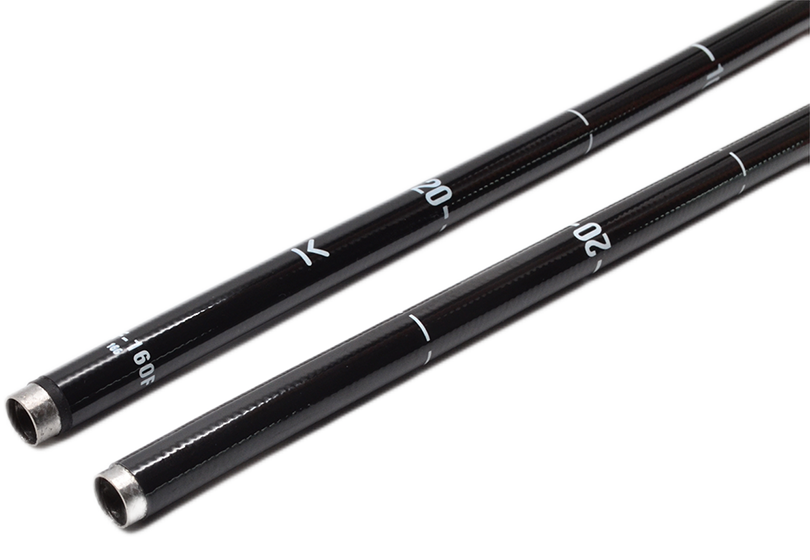
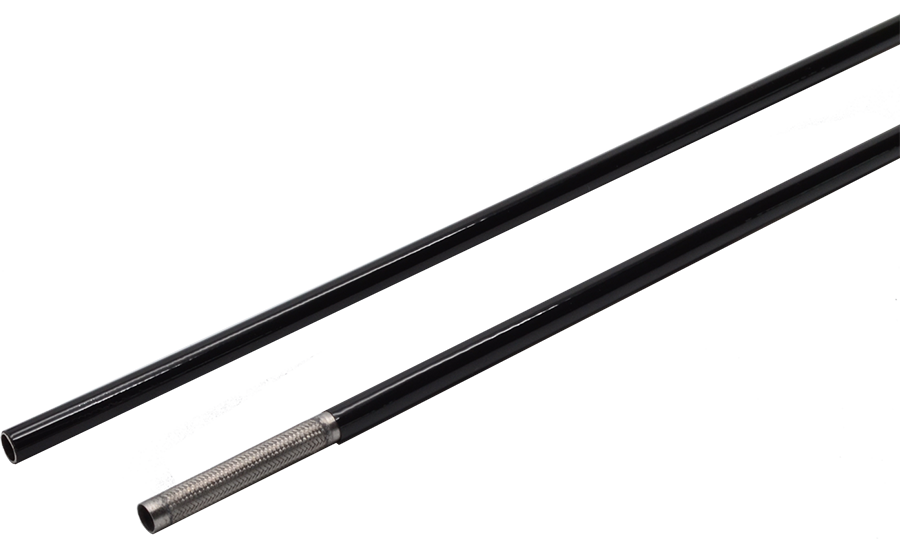
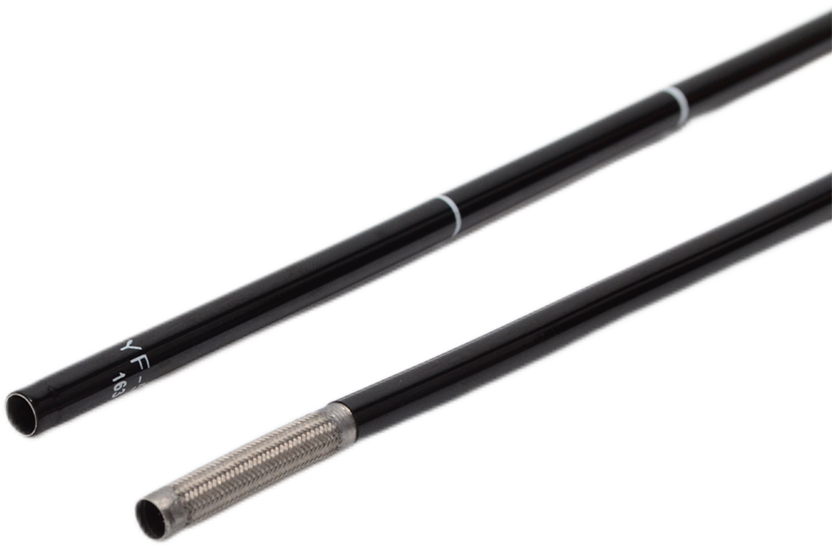
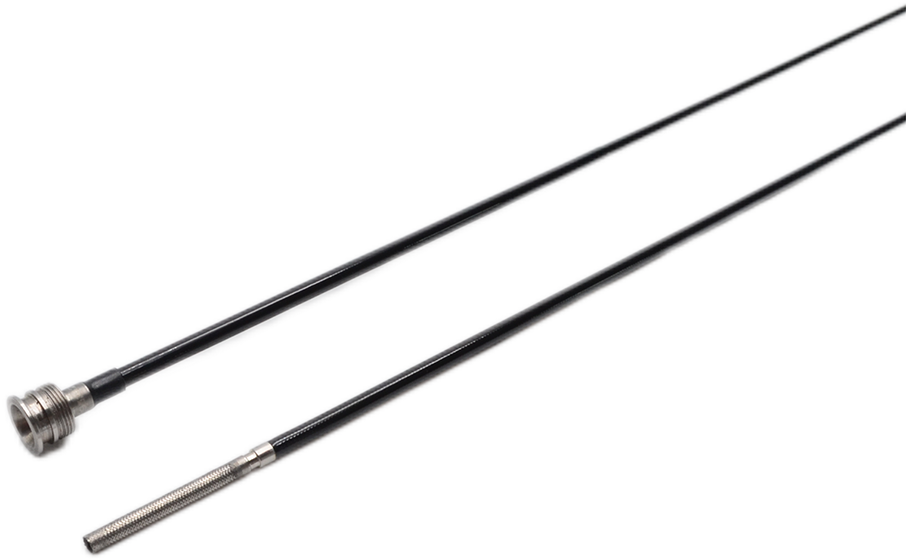
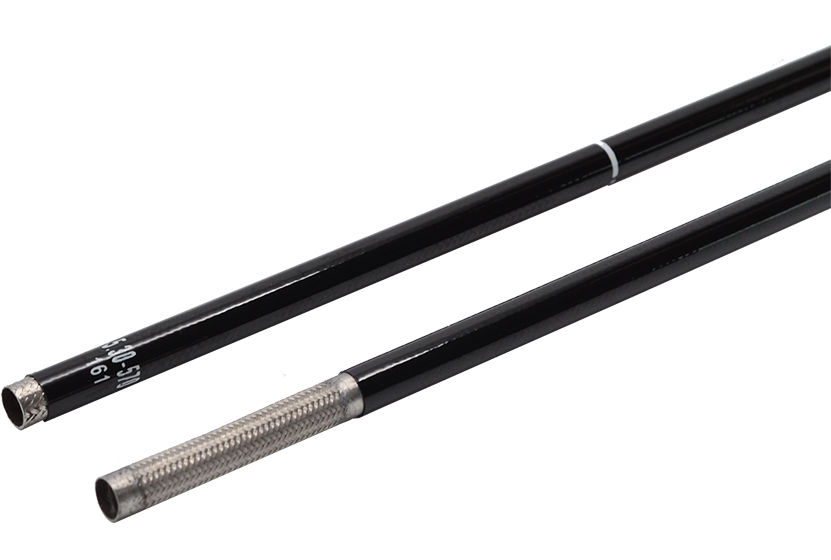
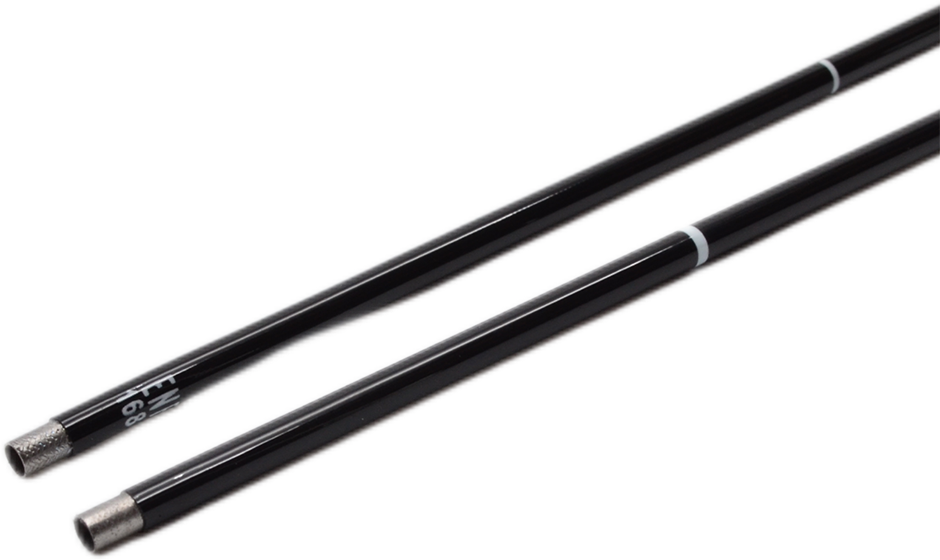
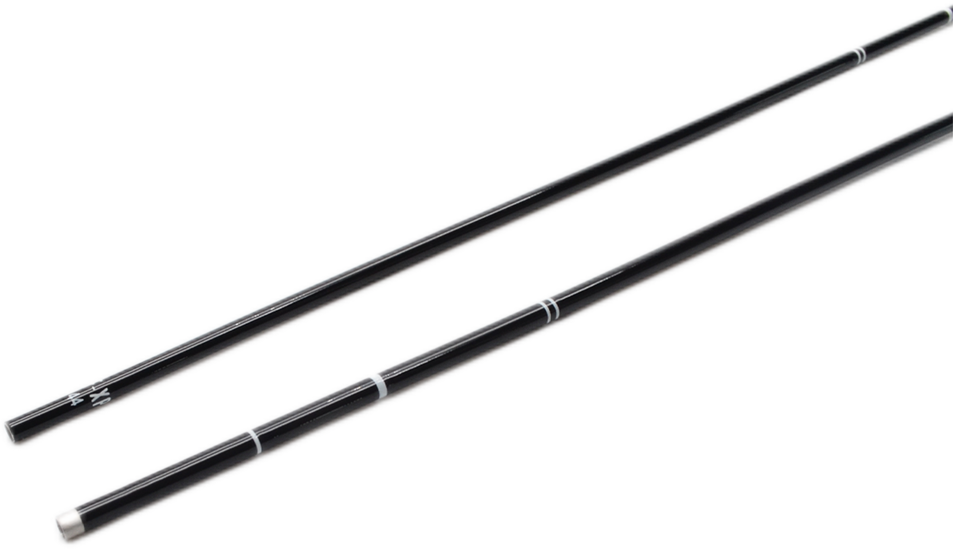
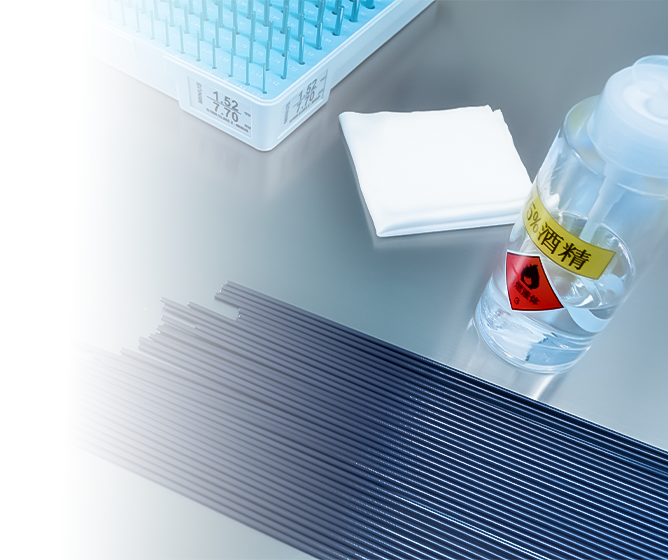
In the demanding field of medical device maintenance, overhauling a flexible endoscope is a test of extreme precision. Among all maintenance procedures, replacing the Insertion Tube and the Light Guide (LG) Tube (also known as the umbilical cable) represents the highest technical hurdle for Independent Service Organizations (ISOs).
While these components may appear externally as simple, durable hoses, their internal cavities are microscopic and densely packed with fragile fiber optics, micro-coaxial cables, fluid channels, and steering wires. A slight miscalculation or the use of poorly toleranced aftermarket parts during the "re-tubing" process can easily compromise these internal components, leading to immediate repair failures or rapid clinical breakdowns.
Here is an inside look at the most common mechanical damages that occur during the replacement of these critical tubes.
1. Internal Hazards During Insertion Tube Replacement
The insertion tube is the patient-facing component of the endoscope, meaning its internal structure must maintain extreme density without sacrificing flexibility. When threading internal components through a new insertion tube, technicians must navigate several high-risk pitfalls:
Biopsy Channel Kinking and Abrasions: When pushing the densely packed internal bundle into the new tube, the soft PTFE biopsy channel can easily be kinked or scratched by adjacent metal components. A compromised channel wall causes a "catch" when physicians insert surgical instruments and creates microscopic crevices that harbor dangerous biofilms, significantly elevating cross-contamination risks.
Angulation Wire Crossing: The insertion tube houses four delicate steel wires that control the bending section at the distal tip. If these wires become crossed, twisted, or tangled during the threading process, the steering knobs will feel excessively stiff. Forcing the dials under these conditions will quickly snap the wires or grind through the internal metal coil pipes.
Fiber Optic Breakage: In fiber-optic scopes or video scopes with fiber light guides, the glass bundles are incredibly fragile. Forcing the bundle through a tight insertion tube or bending it beyond its critical radius will cause massive fiber breakage. This results in the appearance of black dots (broken pixels) or a drastic drop in surgical illumination.
Compromised Distal and Proximal Seals: The ends of the insertion tube must be meticulously sealed with medical-grade epoxy. If the joints are damaged during tube stripping, or if the epoxy is applied unevenly, the scope will fail standard leak testing. Any fluid invasion during clinical reprocessing will instantly destroy the highly expensive CCD/CMOS image sensor at the distal tip.
2. Internal Hazards During Light Guide (LG) Tube Replacement
Although the LG tube does not enter the patient, it connects the control body to the video processor and light source, enduring constant physical abuse such as cart roll-overs and pulling. Repairing this lifeline presents its own unique set of electrical and optical hazards:
Micro-Video Wire Strain: The LG tube encases the micro-coaxial cables transmitting high-definition video signals from the scope’s tip to the processor. These copper wires are often thinner than a human hair. Applying excessive longitudinal pulling force during tube replacement can cause invisible micro-fractures in the copper, leading to intermittent signal loss, color shifting, or a complete blackout when the scope is moved.
Trapped Torsional Stress: This is a common error even among seasoned technicians. When securing the two ends of the LG tube, if the internal wiring and fluid channels are not perfectly untwisted, the tube is glued in place with trapped torsional tension. Once returned to the hospital, this internal twisting stress will rapidly tear the outer polymer jacket and eventually snap the internal wires.
Mechanical Compression at the Boots: The stress relief boots at both ends of the LG tube must fit snugly. If a technician slips with a hand tool or over-compresses the fitting, they can puncture the new tube wall or permanently crush the internal air/water channels, leaving the surgeon unable to wash the camera lens during a procedure.
Contamination of the Light Guide End: The proximal end of the fiber optic bundle (which plugs into the light source) requires high-precision optical polishing. If this delicate end-face is left unprotected during the LG tube repair, microscopic dust, epoxy residue, or tool abrasions will permanently scratch the glass, drastically reducing the light transmission efficiency.
The Margin for Error is Zero
The successful rebuild of a flexible endoscope requires more than just a steady hand; it is a profound test of component manufacturing tolerances. If the replacement insertion tubes or LG tubes feature inconsistent inner diameters, poor wall lubricity, or incorrect stiffness gradients, even the most elite repair technicians will struggle to prevent internal component damage. In the endoscope service market, true reliability begins with the uncompromising precision of the spare parts used.